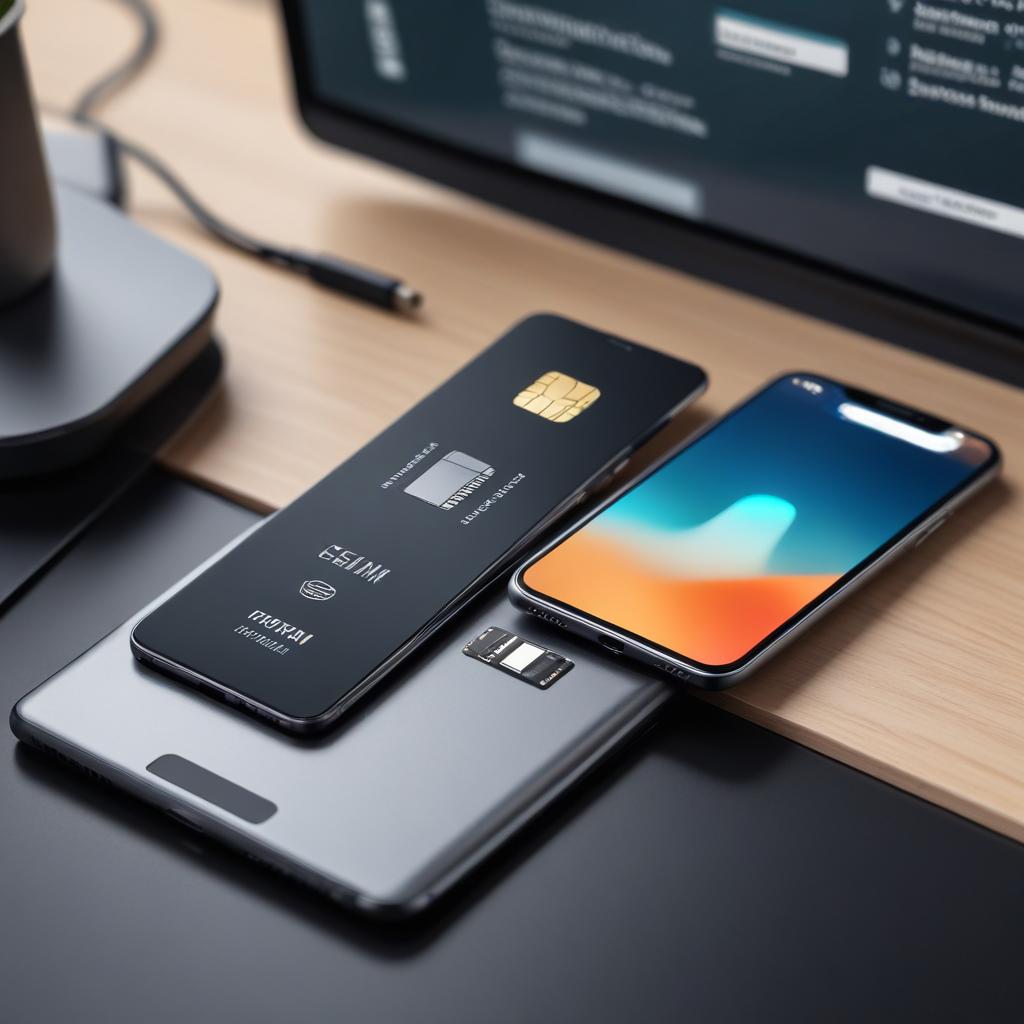
How eSIM reduces the need for SIM cards
17/03/2026
Introduction to eSIM Technology
eSIM, short for embedded SIM, is a revolutionary advancement in mobile technology that changes how devices connect to cellular networks. Unlike traditional SIM cards, which are physical cards that users insert into their mobile devices, an eSIM is a small chip embedded directly into the device’s motherboard. This embedded nature means there is no need to physically swap out SIM cards to switch carriers or plans.
Traditional SIM cards have been an essential part of mobile communication for decades, allowing devices to identify and authenticate users on cellular networks. However, these physical cards come with limitations such as size constraints, the need for physical handling, and vulnerability to loss or damage. eSIM technology overcomes these issues by providing a programmable SIM that can be activated and managed remotely through software. This flexibility enables users to switch network providers or plans without visiting a store or receiving a new card in the mail.
At its core, eSIM works by securely storing the subscriber identity and network authentication details within the device itself. Mobile network operators can send profiles directly to the eSIM via over-the-air updates. When a user activates a mobile plan, the eSIM downloads the corresponding profile, which enables access to the chosen network. This capability makes it easier for users to manage multiple mobile plans or switch operators seamlessly, all from the device’s settings without any physical interaction.
The adoption of eSIM technology in mobile devices has been steadily growing. Many modern smartphones, tablets, smartwatches, and even laptops now come equipped with eSIM functionality. Leading manufacturers and mobile carriers across the globe recognize the benefits of eSIM in enhancing user convenience, reducing waste associated with physical SIM cards, and supporting the growing demand for connected devices. As the ecosystem around eSIM technology continues to evolve, it is expected to play a fundamental role in the future of mobile connectivity.
How eSIM Reduces the Need for Physical SIM Cards
eSIM technology presents significant advantages over traditional physical SIM cards, primarily by eliminating the need for a tangible card that must be inserted into a mobile device. This digital SIM solution streamlines mobile connectivity management, offering a modern alternative to the conventional SIM card limitations. By embedding the SIM directly into the device’s hardware, eSIM enables users to switch carriers and data plans without physically changing a card, thus enhancing flexibility and convenience.
One of the primary eSIM advantages is its ability to support multiple profiles simultaneously. Unlike the physical SIM replacement that necessitates removing and swapping SIM cards when changing networks, eSIM allows seamless switching between several mobile carriers or plans, all managed digitally. This capability is especially beneficial for frequent travelers and business users who require different mobile plans in various regions without the hassle of managing multiple physical SIMs.
Furthermore, eSIM technology addresses many of the persistent SIM card limitations, such as the risk of loss or damage, the physical space required within the device, and the environmental impact related to manufacturing plastic SIM cards. By adopting eSIMs, manufacturers can design slimmer devices as they no longer need to allocate space for SIM card trays. This innovation not only supports aesthetic and functional improvements in mobile devices but also contributes positively to sustainability efforts by reducing plastic waste.
In terms of mobile connectivity, eSIM enhances management by enabling remote provisioning and instant activation of mobile services. Users can download and install SIM profiles over the air, eliminating the delays associated with postal delivery of physical SIM cards or in-store visits. This instantaneity improves overall user experience and allows network operators to offer more dynamic and customizable plans tailored to individual customer needs.
In summary, eSIM technology transforms how consumers and businesses handle mobile connections by eliminating physical SIM card requirements and enhancing flexibility, sustainability, and convenience. As mobile devices increasingly adopt embedded SIMs, the traditional challenges posed by physical SIM cards become less relevant, marking a significant step forward in mobile connectivity management.
Convenience and Flexibility in Mobile Plans
The introduction of eSIM technology has revolutionized how users interact with mobile plans, offering unprecedented convenience and flexibility. Unlike traditional SIM cards that require physical swapping to change carriers or plans, eSIM enables users to switch networks digitally, eliminating the need for multiple SIM cards or visits to service providers.
This ease of network switching brings a significant advantage to travelers and those who frequently change mobile plans for better deals or coverage. With eSIM convenience, activating a new mobile plan or carrier can be done through a simple software update or scanning a QR code, making the process seamless and swift.
Another key benefit is the ability for users to store multiple mobile plans on a single device, toggling between them based on needs such as work, personal use, or travel. This flexibility reduces the hassle of carrying multiple devices or juggling physical SIM cards, streamlining mobile connectivity in today’s fast-paced world.
Overall, eSIM technology enhances user convenience by simplifying how mobile plans are managed and switched. As more carriers adopt eSIM standards, the traditional constraints of SIM cards are diminishing, making mobile connectivity more adaptable and user-friendly than ever before.
Environmental Impact and Sustainability
The adoption of eSIM technology presents significant environment benefits by drastically reducing the need for physical SIM cards. Traditional SIM cards require plastic materials, manufacturing energy, and transportation, all contributing to environmental degradation. By transitioning to eSIMs, the production of physical SIM cards is minimized, which directly leads to a reduction in SIM waste, a growing environmental concern.
SIM waste reduction is essential for sustainable technology development, as discarded SIM cards contribute to plastic pollution and electronic waste. Unlike physical SIMs, eSIMs are embedded within devices, eliminating packaging and the shipping footprint associated with physical cards. This streamlined approach helps conserve natural resources and lowers the carbon emissions associated with the entire lifecycle of SIM cards, from production to disposal.
Moreover, eSIM technology supports a more sustainable ecosystem by encouraging device longevity. Users can switch carriers or plans without needing new SIM cards, reducing unnecessary plastic consumption and waste generation. Overall, eSIM adoption not only enhances mobile connectivity convenience but also champions environmental responsibility by integrating sustainable technology practices in the telecommunications industry.
Future Prospects and Adoption Challenges of eSIM
The future of eSIM adoption in the mobile industry holds significant promise as it aligns with the rapid pace of technological advancement and consumer demand for more flexible connectivity solutions. eSIM technology is positioned to revolutionize how users interact with mobile networks by eliminating physical SIM cards, enabling seamless switching between carriers, and simplifying international travel. As the industry progresses, more device manufacturers are expected to integrate eSIM capabilities into smartphones, tablets, wearables, and even IoT devices, broadening the scope and convenience of this technology.
However, despite its promising prospects, the adoption of eSIM faces a series of challenges that both mobile manufacturers and network providers must address. A primary obstacle is the varying global regulatory landscape that dictates how eSIMs can be provisioned and managed, creating inconsistencies that may hinder widespread adoption. Additionally, concerns about data security and privacy have surfaced, as the remote provisioning process requires robust encryption and secure management protocols to prevent unauthorized access or misuse.
From the perspective of mobile manufacturers, integrating eSIM technology involves rethinking device design and firmware. Manufacturers must ensure compatibility with multiple carriers and prepare for a transition period where physical SIM slots may still be required to support users who have not yet made the switch. This hybrid approach can add complexity and cost to device production but is necessary to ease consumers into the new technology.
Network providers also encounter challenges when adopting eSIM technology. They must upgrade their infrastructure to support remote SIM provisioning and manage a more dynamic landscape of customer profiles that can change carriers without physical SIM replacement. While this flexibility offers new business models and customer engagement opportunities, it also demands significant investment in backend systems and customer support mechanisms.
Despite the hurdles, the momentum behind eSIM adoption is increasing, driven by the convenience it offers and the rise of connected devices beyond traditional smartphones. The mobile industry is moving towards an era where eSIM technology will likely become the standard, ultimately reducing the dependency on physical SIM cards. This shift will empower consumers with greater control over their mobile connectivity while challenging manufacturers and providers to innovate and adapt to a future shaped by seamless, embedded connectivity solutions.
Industry Adoption and Device Compatibility
eSIM technology is rapidly gaining traction across the mobile industry, with both device compatibility and mobile carrier support expanding steadily. Most leading smartphone manufacturers, including Apple, Samsung, and Google, have integrated eSIM support into their flagship models. These devices allow users to activate cellular plans without the need for physical SIM cards, enhancing convenience and flexibility.
Mobile carriers worldwide are also embracing eSIM technology, recognizing its benefits for both business and consumers. Major carriers in regions such as North America, Europe, and parts of Asia now offer dedicated eSIM plans, reflecting growing demand. This increased support makes it easier for users to switch carriers or add multiple plans on a single device, streamlining the overall user experience.
While initial adoption was slower due to limited device support and infrastructure, eSIM is now becoming a standard feature in many new devices. Beyond smartphones, eSIM is also being adopted in tablets, laptops, and wearables, broadening its presence in everyday connected technology. The ecosystem surrounding eSIM continues to evolve, with more carriers and manufacturers joining the movement, pushing toward widespread industry acceptance.
As the technology matures, we can expect increased device compatibility and broader mobile carrier integration, making eSIM the preferred choice for mobile connectivity in the near future.
Security and Privacy Considerations
eSIM technology brings enhanced security features compared to traditional SIM cards. One of the key benefits is the embedded nature of the eSIM, which makes it less vulnerable to physical tampering or theft. eSIM security is strengthened through robust encryption standards that protect the activation credentials and ongoing communications between the device and the mobile network. Additionally, remote provisioning allows carriers to manage and update eSIM profiles securely over the air, reducing the risk of SIM swapping fraud.
Despite these advantages, privacy concerns remain important for users to consider. Since eSIMs enable easier switching between networks and profiles, there is potential for increased tracking if appropriate safeguards are not in place. Users should be aware that their data protection largely depends on the policies of their mobile network operators and device manufacturers. Ensuring that proper encryption and access controls are implemented helps mitigate risks associated with unauthorized data access and exposure.
To address privacy concerns, it’s essential for users to understand how their personal information is stored and managed within the eSIM ecosystem. Transparency in data handling, along with compliance with privacy regulations, plays a critical role in building trust. Overall, while eSIM security offers significant improvements, users must remain vigilant about privacy and advocate for strong protections to safeguard their digital identities and personal data.

I’m a lifelong traveler who fell in love with the freedom that eSIM technology offers. Exploring new places while staying seamlessly connected has become my personal mission, and I love sharing practical tips on managing mobile data abroad. When I’m not testing the latest eSIM platforms, I’m mapping out the next adventure.