How eSIM works in dual-SIM devices
06/02/2026
Introduction to eSIM Technology in Dual-SIM Devices
eSIM technology marks a crucial advancement in mobile connectivity, changing how users engage with their devices and network providers. Unlike conventional physical SIM cards that must be inserted into a device, an eSIM is a built-in digital SIM that exists within the device’s hardware. This digital SIM can be activated and programmed remotely, removing the necessity for physically exchanging cards when switching carriers or plans.
In dual-SIM devices, eSIM technology introduces a flexible and convenient approach to managing multiple mobile connections simultaneously. These devices are equipped with one physical SIM slot and one eSIM, allowing users to operate two distinct phone numbers and mobile plans in the same handset. This integration is especially valuable for users who want to separate personal and business lines, or travelers who need to access local networks without the hassle of acquiring new SIM cards.
The fundamental principle behind eSIM technology lies in its ability to store multiple mobile network profiles securely on the device, and switch between them as needed. This digital SIM functionality supports dynamic provisioning, meaning that users can download, activate, and manage their mobile plans over the air without visiting a store or waiting for physical delivery. This level of flexibility is reshaping mobile connectivity by making it more user-centric and streamlined.
Additionally, the integration of eSIM technology in dual-SIM devices enhances device design by reducing the space required for SIM card trays, contributing to sleeker and more durable mobile devices. It also opens up new opportunities for manufacturers and network operators to innovate in service delivery and user experience.
Overall, the adoption of eSIM technology in dual-SIM devices marks a pivotal shift toward a more digital and interconnected mobile ecosystem, offering users unmatched convenience, flexibility, and improved mobile connectivity for the modern world.
What is eSIM and How Does it Differ from Traditional SIM?
Embedded SIM, or eSIM, is a modern evolution of SIM technology that replaces the traditional physical SIM card with a small chip embedded directly into a device. Unlike traditional SIM cards, which must be physically inserted and swapped between devices, an eSIM is rewritable and programmable remotely by carriers. This embedded SIM removes the need for a physical card slot, making devices sleeker and more durable.
The key difference in the eSIM vs SIM debate lies in convenience and flexibility. Traditional SIM cards are tangible pieces that users manage manually, often needing to buy a new card or visit a store when switching networks. In contrast, an eSIM can store multiple carrier profiles simultaneously and allows users to switch plans digitally without changing the hardware. This flexibility is particularly valuable for travelers or those who use multiple service providers.
Furthermore, embedded SIM technology enhances security since it is soldered into the device, reducing risks of physical tampering or theft. It also contributes to better device waterproofing and space optimization, enabling manufacturers to design lighter and thinner gadgets. Overall, eSIM represents a significant leap forward in SIM technology by offering a more streamlined, versatile, and secure solution compared to traditional SIM cards.
Why Dual-SIM Devices Benefit From eSIM
Dual-SIM devices equipped with eSIM technology unlock a range of dual-SIM benefits that enhance the overall mobile phone features experience. One of the most significant eSIM advantages is the greater flexibility it offers users in managing multiple mobile networks without the need to physically swap SIM cards. This convenience is especially valuable for those who frequently travel or need separate work and personal lines on the same device.
With eSIM, users can seamlessly switch between different network operators, allowing for smoother network management and optimal coverage depending on location or data plan. This network flexibility means that dual-SIM devices can do more than just hold two SIMs; they can dynamically handle multiple profiles, store several eSIMs, and activate them as needed, which is impossible with traditional SIM cards.
Furthermore, eSIM simplifies the process of adding or changing mobile plans. Users avoid the hassle of physical SIM installation, making it easier to try new carriers or adjust plans on the fly. This streamlined approach enhances the dual-SIM benefits by ensuring that mobile device users enjoy a more integrated and user-friendly experience, where mobile phone features are optimized for convenience, efficiency, and network adaptability.
How eSIM Works in Dual-SIM Devices
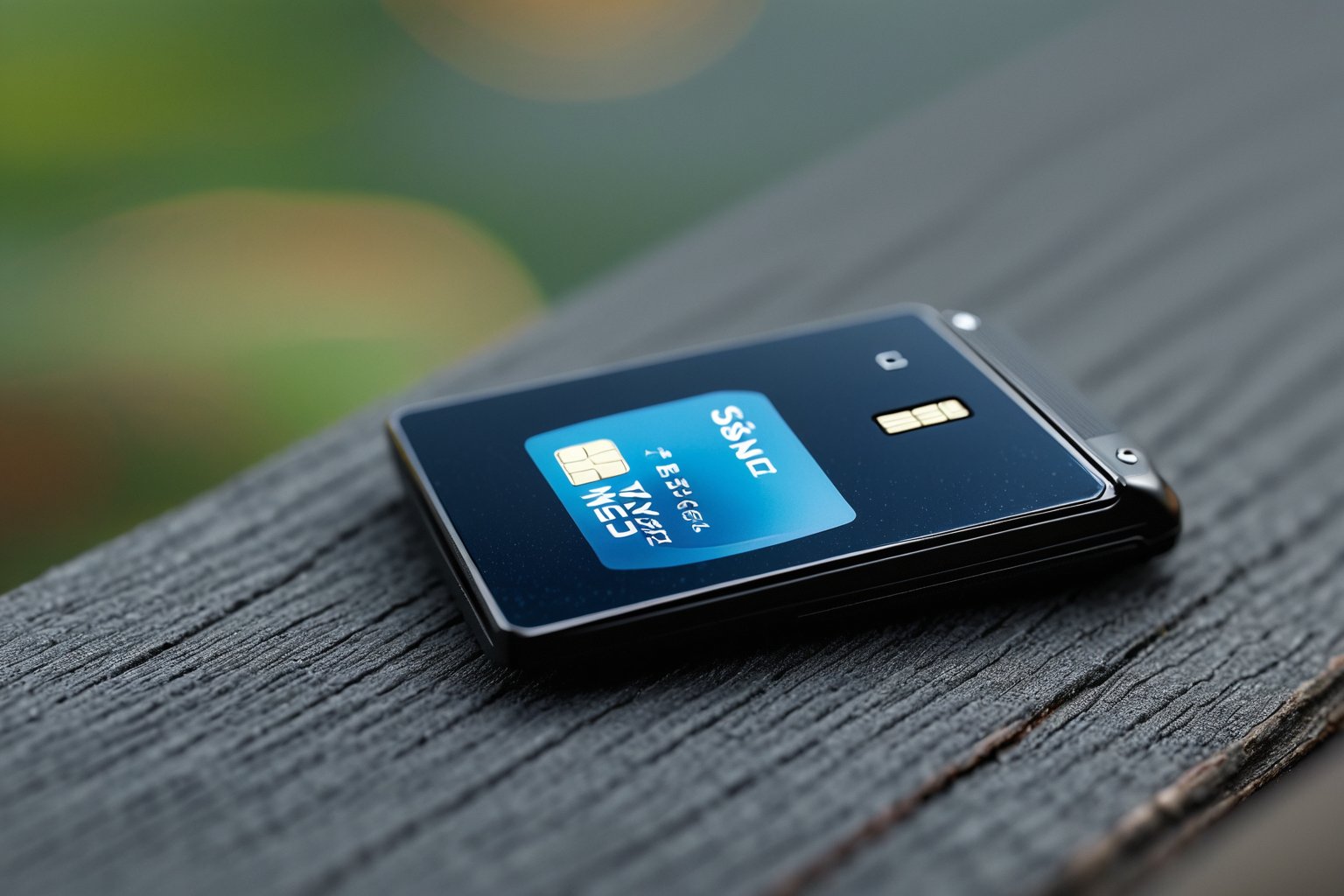
In dual-SIM devices, the eSIM operates alongside a traditional physical SIM to offer flexible mobile network management. This setup enables users to activate multiple cellular plans on a single device without the need for swapping physical cards, enhancing convenience and connectivity.
The eSIM activation process begins when a user downloads a cellular profile from their carrier directly onto the embedded SIM chip within the phone. This activation is typically done through scanning a QR code or entering an activation code provided by the carrier. Once activated, the eSIM stores the profile digitally, allowing seamless service activation similar to a physical SIM but without requiring hardware changes.
Profile management on an eSIM-equipped dual-SIM device is remarkably straightforward. Users can store multiple profiles on a single eSIM, switching between different carriers or plans as needed. This dual-SIM functionality supports concurrent operation: the physical SIM and the eSIM can both be active, allowing the phone to handle calls, texts, and data from two different numbers and networks simultaneously. This is particularly advantageous for separating work and personal communications on the same device.
Network switching in dual-SIM phones with eSIM is designed for smooth transitions between profiles. The operating system provides an interface to easily switch the active line for data, voice, or SMS services without restarting the device. For example, a user can select the eSIM for mobile data usage while keeping the physical SIM active for calls. This dynamic switching enhances user control over connectivity preferences and can optimize costs and coverage by leveraging different mobile network operators.
Furthermore, the integration of eSIM with dual-SIM functionality supports advanced mobile network management capabilities such as prioritizing network selection based on signal strength or data plan limits. As eSIM profiles are managed digitally, users can remotely update or change their cellular plans without visiting a store, providing unprecedented convenience.
In summary, eSIM operation in dual-SIM devices revolutionizes how users activate, manage, and switch between mobile networks. This technology streamlines mobile network management, offering enhanced flexibility, cost-effectiveness, and a user-friendly experience that aligns perfectly with modern connectivity demands.
Activation and Profile Downloading Process
Activating an eSIM and downloading carrier profiles on dual-SIM devices involves a seamless remote process known as SIM provisioning or remote SIM setup. This process ensures that users can quickly switch between carriers without needing physical SIM cards, enhancing convenience and flexibility.
- Initiate eSIM Activation: The user begins by accessing the device’s settings to add a new mobile plan. This triggers the eSIM activation procedure where the device connects to the carrier’s server securely.
- Download Carrier Profile: Once connected, the device downloads the eSIM profile, which contains all necessary carrier information, including network credentials and subscription details, enabling the SIM to function without physical insertion.
- Provisioning and Authentication: The carrier server provisions the downloaded profile, authenticating it to activate the service. This remote SIM setup eliminates the need for manual SIM card swapping in dual-SIM devices, making the activation instant and wireless.
- Activate and Manage Profiles: After downloading and provisioning, the device registers the eSIM profile with its network services. Users can manage and switch between their physical SIM and eSIM profiles as needed, maintaining continuous connectivity on both lines.
- Confirmation and Use: The system confirms that the eSIM activation and profile download are successful. The user can now use the activated eSIM line for calls, texts, and data alongside the physical SIM in a dual-SIM device.
This entire process streamlines SIM provisioning, offering a modern approach to mobile connectivity, particularly useful for travelers and those requiring multiple carriers on one device without physical SIM hassle.
Managing Multiple Mobile Network Profiles
In dual-SIM devices, managing multiple profiles is streamlined through built-in SIM management features that offer seamless network switching. Users can store several mobile network profiles on the device’s eSIM or physical SIM slots, enabling easy access to different carriers without needing to swap physical cards. This flexibility ensures consistent mobile connectivity whether you are traveling or balancing personal and work lines on one device.
The device interface typically allows quick toggling between profiles, often with a simple tap or via settings menus dedicated to SIM management. Network switching happens smoothly and with minimal delay, so calls, texts, and data services transition without interruption. This also means users can prioritize one profile for data usage while another handles voice calls, optimizing mobile connectivity based on their needs.
Moreover, multiple profiles mean users can enjoy competitive pricing by selecting the best network for their location or purpose. Advanced SIM management options provide status indicators for each profile, allowing easy recognition of network signal strength and data consumption. As a result, managing multiple profiles in dual-SIM devices is intuitive, supporting the dynamic demands of modern mobile users who rely on diverse network coverage and seamless connectivity.
Benefits and Considerations of Using eSIM in Dual-SIM Devices
Using eSIM in dual-SIM devices offers numerous benefits, making it an increasingly popular choice among mobile users. One of the foremost eSIM benefits is user convenience. Unlike traditional SIM cards, eSIMs eliminate the need to physically swap or insert cards. This allows users to seamlessly switch between mobile networks or plans directly from their device settings, providing ultimate flexibility, especially for frequent travelers or those managing multiple phone numbers.
Dual-SIM considerations also highlight device design improvements made possible by eSIM technology. With the removal of a physical SIM slot, manufacturers can design slimmer, more compact devices or allocate additional internal space for other features such as expanded batteries or enhanced camera modules. This streamlining not only enhances the aesthetic appeal of modern smartphones but can also improve their durability and water resistance.
Another key advantage lies in mobile security. eSIMs offer heightened protection against theft and misuse because the embedded chip cannot be easily removed or tampered with, unlike physical SIM cards. Additionally, carriers can remotely manage eSIM profiles, quickly suspending or activating service without the need for user intervention, which strengthens the overall security framework and user control over their mobile account.
Despite these advantages, there are important dual-SIM considerations users should be aware of before fully embracing eSIM technology. One limitation is the current variability in carrier support worldwide, as not all mobile operators have fully adopted eSIM infrastructure. This could restrict options for network selection or roaming in certain regions. Additionally, some devices still combine one physical SIM slot with one eSIM, which may not meet the needs of users requiring two physical SIMs for certain professional or regional purposes.
Furthermore, while the convenience of managing multiple profiles on a single device is significant, the initial setup and switching process can be less intuitive for some users compared to inserting a traditional SIM card. Ensuring familiarization with device settings and carrier-specific eSIM procedures is essential. Overall, the integration of eSIM in dual-SIM devices represents a major leap forward in user convenience, device innovation, and mobile security, but assessing carrier compatibility and personal usage requirements remains important for an optimal experience.
Enhanced Flexibility and Space Efficiency
The adoption of eSIM technology significantly enhances flexible connectivity within dual-SIM devices. Unlike traditional SIM cards that require physical slots, eSIMs are embedded directly into the device’s motherboard. This eliminates the need for additional SIM trays, allowing manufacturers to refine device design with fewer constraints. The internal space previously allocated for physical SIM slots can now be repurposed, leading to notable space saving inside the device.
This freed-up space is valuable for integrating other hardware improvements such as larger batteries, more advanced camera modules, or enhanced cooling systems. By using eSIM technology in dual-SIM devices, users benefit from the convenience of managing multiple cellular plans without compromising the sleekness or performance of their device. Dual-SIM capability becomes more seamless and efficient, supporting flexible connectivity options that adapt to various user needs and scenarios.
Ultimately, the move toward eSIM not only boosts device flexibility through software-managed SIM provisioning but also contributes to a more compact and optimized internal architecture. These advancements underscore eSIM’s role in paving the way for future innovations, ensuring that device design keeps up with the evolving demands for multi-network access while maximizing space utilization and enhancing user experience.
Potential Limitations and User Challenges
While eSIM technology brings enhanced convenience to dual-SIM devices, users may encounter several challenges. One common issue is activation complexity. Unlike traditional SIM cards, activating an eSIM often requires scanning a QR code or entering activation details provided by the carrier, which can be confusing for non-technical users. Additionally, activation may fail due to network errors or incorrect input, requiring troubleshooting steps such as restarting the device or re-initiating the activation process.
Carrier support is another significant limitation. Not all mobile carriers fully support eSIM or dual-SIM configurations, especially in certain regions. This can restrict the user’s choice of providers and may prevent seamless switching between networks. It is important to verify carrier compatibility before relying entirely on eSIM functionality.
Users also face challenges in managing multiple profiles on an eSIM, which can lead to confusion in selecting data and voice plans or accidental disabling of active profiles. Troubleshooting tips include consulting carrier guides, using device settings to manage profiles carefully, and seeking technical support when issues arise. Overall, being aware of these potential eSIM limitations and preparation with proper guidance can greatly improve the user experience.

I’m a lifelong traveler who fell in love with the freedom that eSIM technology offers. Exploring new places while staying seamlessly connected has become my personal mission, and I love sharing practical tips on managing mobile data abroad. When I’m not testing the latest eSIM platforms, I’m mapping out the next adventure.