Why eSIM is ideal for short trips
30/01/2026
Understanding eSIM Technology
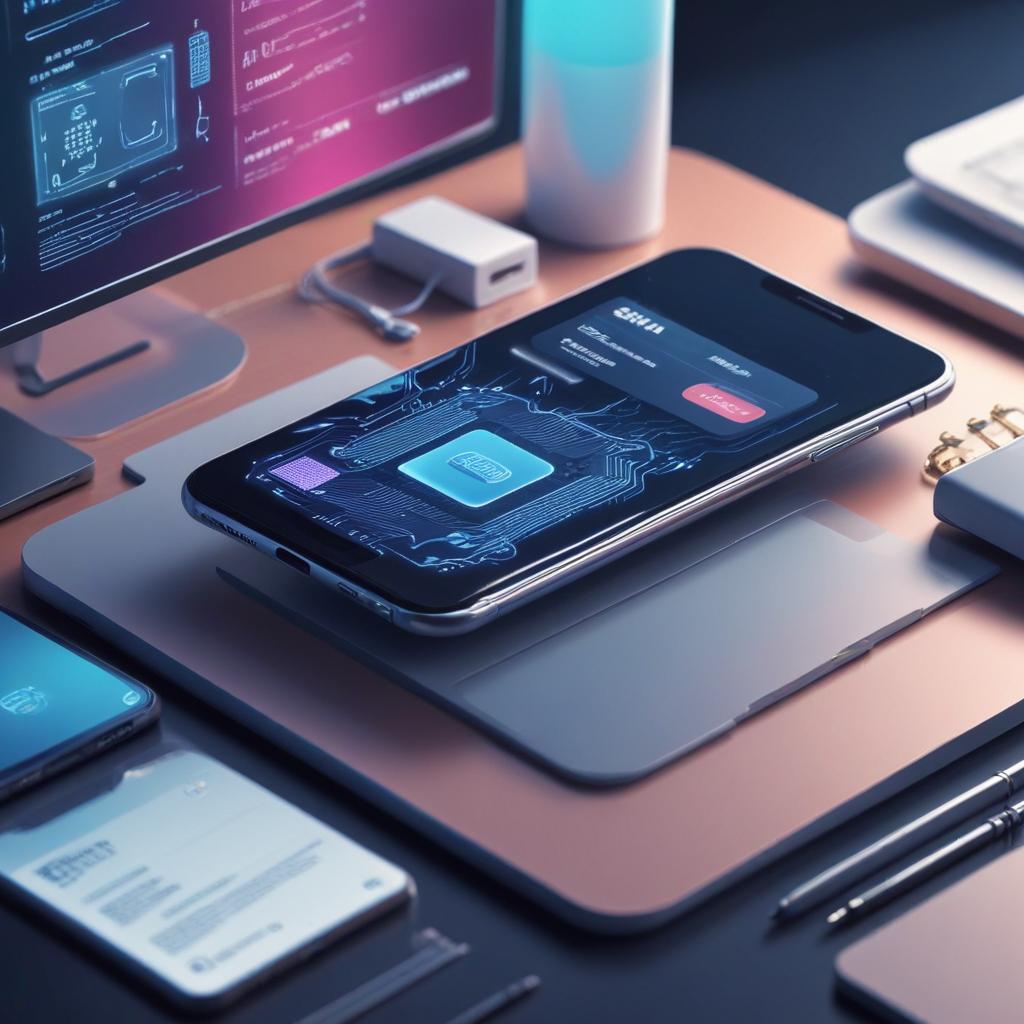
eSIM, which stands for embedded SIM, is an innovative advancement in mobile technology that replaces the traditional physical SIM card with a digital alternative. Unlike a conventional SIM card that you physically insert into your device, an eSIM is built directly into the hardware of your smartphone, tablet, or other connected devices. This embedded SIM technology allows users to activate a cellular plan without needing to swap out a card, offering a seamless and flexible way to manage mobile connectivity.
The primary difference between an eSIM and traditional SIM cards lies in their form factor and usability. Traditional SIM cards are tiny, removable chips that require physical handling to insert or replace. On the other hand, an eSIM is a rewritable digital SIM embedded in the device, which can store multiple carrier profiles and be remotely provisioned. This means you can switch carriers or plans without visiting a store or waiting for a new SIM card to arrive, making it especially convenient for frequent travelers or those who want to manage multiple numbers on one device.
From a technology overview perspective, eSIM functions through a secure, programmable chip within a device. When a user decides to activate cellular service, the carrier sends a digital profile over the internet that is downloaded and installed onto the eSIM. This process is often facilitated by QR codes or carrier apps, enabling easy activation and management directly from the device settings. The digital SIM technology supports various profiles and can be updated over-the-air, enhancing both security and user convenience compared to physical SIM cards.
Moreover, eSIM technology supports multiple cellular networks, allowing devices to switch between them based on user preference or network availability. This flexibility enables better network coverage and cost savings, as users can select international or local carriers without changing physical SIMs. Embedded SIMs also occupy less space inside devices, enabling manufacturers to design slimmer gadgets with more room for other components, such as larger batteries or enhanced camera systems.
In summary, understanding eSIM technology involves recognizing its role as a digital SIM embedded inside devices, offering a user-friendly alternative to traditional SIM cards. This advancement not only simplifies the process of managing mobile plans and carriers but also enhances the overall flexibility and functionality of mobile devices.
What is an eSIM?
An eSIM, or embedded SIM, is a modern digital SIM technology that allows devices to connect to cellular networks without the need for a physical SIM card. Unlike traditional SIM cards, which are removable plastic chips inserted into devices, an eSIM is built directly into the device’s hardware. This embedded nature means it is permanently soldered onto the device’s motherboard, providing a seamless and space-saving solution for mobile connectivity.
Understanding what is an eSIM begins with realizing its core advantage: it eliminates the physical swapping of SIM cards. The eSIM definition highlights its ability to store multiple carrier profiles digitally, enabling users to switch between different networks or plans remotely without any physical intervention. This flexibility makes it incredibly convenient for travelers, as they can easily change or add mobile plans without visiting a store or acquiring new SIM cards.
The eSIM basics also include enhanced security and water resistance in devices, as there is no SIM card slot that can be damaged or exposed to the elements. Additionally, because eSIMs are embedded, manufacturers can design smaller and slimmer devices without compromising cellular connectivity. As eSIM adoption grows, this innovative technology is revolutionizing how we connect by integrating mobile network functionality directly within the device itself.
How eSIM Works
The eSIM operation is a revolutionary advancement in mobile technology, allowing users to activate cellular plans without the need for a physical SIM card. The activation process of an eSIM is entirely digital: instead of inserting a plastic card, users download their mobile network profiles directly onto the embedded SIM inside their device. This process typically involves scanning a QR code or entering an activation code provided by the carrier, which securely downloads the profile to the eSIM chip.
One of the key advantages of eSIM technology is its ability to manage multiple profiles simultaneously. Users can store several network profiles on their device, such as home, travel, or work plans, and switch between them seamlessly without swapping SIM cards. This makes it incredibly convenient for short trips, as travelers can add temporary local data plans digitally and toggle between their home network and the local operator with ease.
Thanks to how eSIM works, mobile connectivity becomes more flexible and user-friendly. The digital nature of eSIM operation also enhances security since profiles are encrypted and remotely manageable. Network operators can update or change settings over the air without physical interaction, providing a smoother and faster experience when activating or switching mobile plans.
Benefits of eSIM for Short Trips
When it comes to short trips, the advantages of eSIM are particularly compelling. Travelers benefit from the flexibility that eSIM technology provides, eliminating the need to purchase and swap physical SIM cards. This ease of use makes it an ideal choice for those who want quick, hassle-free mobile connectivity without the complications often associated with traditional travel SIM cards.
One of the primary eSIM benefits for short trips is the ability to activate a travel SIM remotely. With eSIMs, you can choose your mobile data plan directly from your device, often even before leaving home or upon arrival at your destination. This seamless activation process supports instant connectivity, which is perfect for travelers who value convenience and time efficiency.
Cost-effectiveness is another major advantage of using an eSIM for short trips. Many eSIM providers offer localized and flexible plans that cater specifically to short-term usage. This means travelers can avoid expensive roaming charges and only pay for what they need during their trip. The absence of physical SIM cards also reduces the risk of losing or damaging your SIM, saving additional replacement costs and effort.
Moreover, the flexibility of eSIM technology means you can switch between different carriers or plans without the need to physically replace SIM cards. This enables you to adapt quickly to changing travel plans or different countries within a short period, ensuring you remain connected wherever you go without any downtime or inconvenience.
In summary, the travel SIM landscape is greatly enhanced by eSIM technology. The ease of use, combined with cost-effective plans and high flexibility, makes eSIM the most practical solution for short trips. Travelers can enjoy uninterrupted connectivity, save money, and experience greater freedom in managing their mobile data without the traditional constraints posed by physical SIM cards.
Instant Activation and Convenience
One of the standout benefits of eSIM technology is its capability for instant activation, which significantly enhances travel convenience. Unlike traditional SIM cards that require physical swapping when changing networks or countries, eSIMs eliminate this hassle by allowing users to activate a new mobile plan digitally.
With eSIM travel, you can seamlessly switch to a local network the moment you arrive at your destination without the need to visit a store or wait for a physical SIM card to be delivered. This instant activation feature ensures that you remain connected from the first moment, making it ideal for short trips where every minute counts.
This convenience extends beyond just activating your plan. The digital nature of eSIMs means multiple profiles can be stored on a single device, allowing travelers to easily toggle between their home and travel networks without carrying multiple SIM cards. This reduces the risk of losing a SIM and simplifies managing your connectivity on the go.
In summary, the instant activation capability of eSIMs offers unparalleled travel convenience. It removes the physical constraints of traditional SIM cards, providing a smooth and efficient way to access mobile networks. For any traveler seeking effortless connectivity, eSIM travel is a game changer.
Cost Savings and Flexible Plans
eSIM technology revolutionizes the way travelers access mobile data, offering significant cost savings and unparalleled flexibility in travel data plans. Unlike traditional SIM cards that often require long-term contracts or expensive roaming charges, eSIMs provide competitive eSIM pricing tailored for short-term connectivity needs. This means travelers can easily switch between providers and select plans that precisely match their trip duration and data usage.
Flexible plans are particularly advantageous for short trips, enabling users to purchase only the data they need without overspending on monthly packages. The convenience of instant eSIM activation and the ability to compare multiple offers from different operators empower travelers to find the best deals on local or global travel data plans. As a result, eSIM users avoid unexpected bills and enjoy transparent pricing structures.
Ultimately, eSIM’s cost savings paired with flexible plans make it an ideal choice for anyone seeking affordable, hassle-free mobile connectivity during their travels. Whether it’s a weekend getaway or a business trip, eSIM ensures that staying connected is both economical and effortless.
How to Use eSIM for Your Next Short Trip
Using an eSIM for your short trip can save you time, money, and hassle. This step-by-step guide will walk you through how to use eSIM, from selecting the right plan to activating and managing your eSIM during your travels. Follow these travel tips to ensure a smooth connection on the go.
- Choose the Right eSIM Plan: Start by researching eSIM providers that offer short-term travel plans. Look for plans with coverage in your destination country, suitable data allowances, and flexible activation periods. Many carriers have travel-specific eSIM options that cater perfectly to short trips.
- Purchase Your eSIM Service: Once you select a plan, purchase the eSIM online. You will usually receive a QR code or an activation code, either via email or directly on the provider’s website or app. Keep this information handy as it is essential for the eSIM setup.
- Activate the eSIM Before Your Trip: Before leaving, activate your eSIM on your compatible device. Go to your phone’s settings and enter the eSIM activation details by scanning the QR code or inputting the activation code manually. This ensures you are connected upon arrival without needing to find a physical SIM card.
- Manage Your eSIM Settings: During your trip, monitor your data usage and manage your plan through your phone’s eSIM management settings or the provider’s app. You can switch between your primary SIM and eSIM as needed, which is especially useful if you want to keep your main number active.
- Top Up or Extend Your Plan if Necessary: If you need more data or your trip extends, many providers allow you to top up or renew your eSIM plan remotely. Check your provider’s website for instructions on managing your account and adding value to your eSIM service without hassle.
- Deactivate or Remove the eSIM After Your Trip: Once your trip is over, you can easily deactivate or delete the eSIM profile from your device. This makes managing multiple profiles simple and prevents accidental roaming charges or data usage when you’re back home.
By following these clear steps on how to use eSIM, you can enjoy seamless connectivity without the need to swap physical SIM cards. Proper eSIM setup and management are key travel tips for any modern traveler looking to stay connected effortlessly on short trips.
Choosing the Right eSIM Provider
When selecting the best eSIM provider for short trips, several crucial factors come into play to ensure a smooth and cost-effective experience. First and foremost, coverage is key. The ideal travel eSIM plans should offer reliable and extensive network coverage in the destinations you plan to visit. This ensures uninterrupted connectivity for navigation, communication, and access to essential services while abroad.
Cost is another major consideration. Look for providers that offer transparent pricing with no hidden fees. Since short trips often involve limited usage, choosing an eSIM provider with flexible and affordable travel packages tailored to short-term needs can save you money. Some providers offer pay-as-you-go or daily plans, which are perfect for brief stays.
Additionally, check for ease of activation and management. The best eSIM services allow quick installation and straightforward management of your travel eSIM plans via user-friendly apps or online portals. This convenience is invaluable when you need to set up or adjust your plan on the go.
Lastly, consider customer support quality. Efficient and responsive support can resolve connectivity issues promptly, ensuring your trip is hassle-free. In summary, when comparing eSIM providers, prioritize coverage, cost-effectiveness, usability, and support to find the ideal solution for your short trips.
Activation and Setup Process
Setting up your travel eSIM is a straightforward process that ensures you stay connected without hassle. Whether you activate it before your trip or upon arrival, the key is to follow these simple steps to complete your eSIM activation quickly and efficiently.
- Check Device Compatibility: Confirm that your smartphone or device supports eSIM functionality. Most newer models have this feature built-in but verifying beforehand saves time.
- Choose Your Travel eSIM Provider: Purchase the eSIM plan that fits your trip’s data needs. This can often be done online through the provider’s app or website.
- Receive QR Code or Activation Code: Once purchased, you will receive a QR code or an activation code via email or your account dashboard.
- Scan the QR Code or Enter the Activation Code: On your device, go to the cellular or mobile network settings. Select “Add Cellular Plan” and scan the QR code or manually enter the given activation code to import the eSIM profile.
- Complete Setup and Activate: Follow any additional on-screen instructions to finalize the eSIM activation. Make sure to enable the eSIM as your active data plan before traveling.
- Test Connectivity: Once the activation is complete, test your internet connection to ensure your eSIM is working properly.
Following this setup guide helps travelers get their eSIM activation done swiftly, allowing them to enjoy seamless mobile connectivity throughout their journey without worrying about physical SIM swaps.

I’m a lifelong traveler who fell in love with the freedom that eSIM technology offers. Exploring new places while staying seamlessly connected has become my personal mission, and I love sharing practical tips on managing mobile data abroad. When I’m not testing the latest eSIM platforms, I’m mapping out the next adventure.