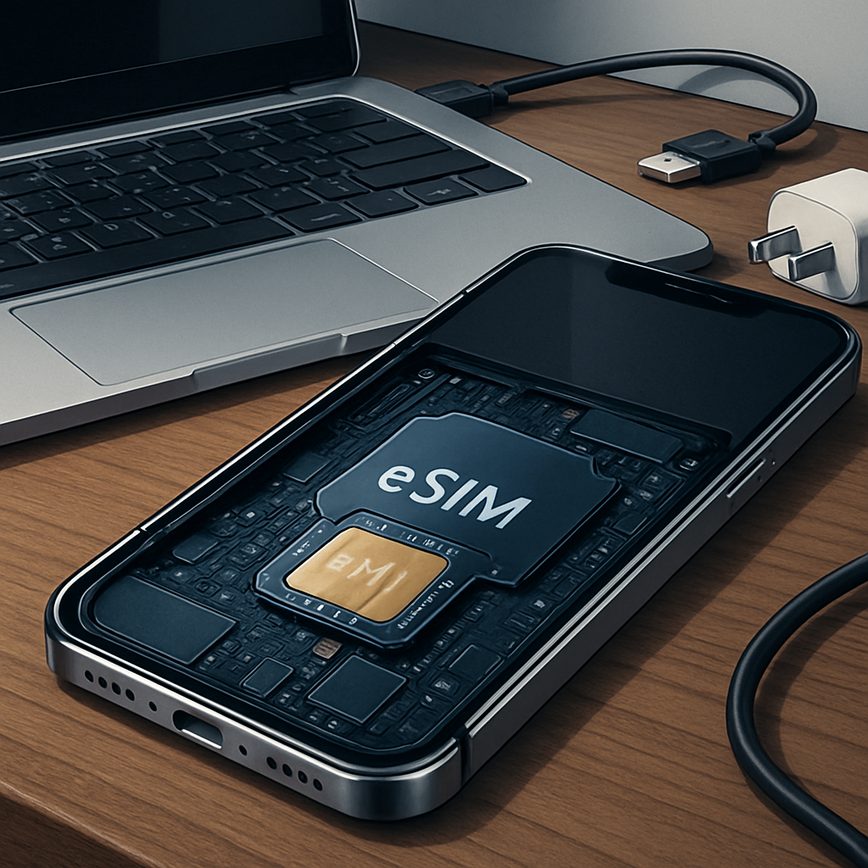
How eSIM improves mobile device portability
25/03/2026
Understanding eSIM Technology
eSIM technology, short for embedded SIM, represents a significant advancement in the evolution of SIM cards, redefining how mobile connectivity is achieved in modern devices. Unlike traditional SIM cards, which are physical chips inserted into a device, an eSIM is a programmable digital SIM embedded directly into the device’s hardware. This built-in nature eliminates the need for a removable card, offering a seamless and flexible approach to managing mobile network connections.
One of the key differences between eSIM technology and traditional SIM cards lies in their physicality and convenience. Traditional SIM cards require manual swapping to switch carriers or plans, which can be cumbersome and limiting, especially for frequent travelers or multi-network users. In contrast, an embedded SIM can store multiple carrier profiles, allowing users to switch between networks electronically without ever needing to insert or remove a physical card. This capability not only simplifies the process but also enhances user control over mobile connectivity.
The evolution of the SIM card towards embedded SIM technology is driven by the growing demand for smarter, more portable mobile devices. As mobile connectivity becomes more essential in daily life, the need for efficient, reliable, and flexible network access grows. eSIM technology addresses these needs by supporting remote provisioning, which enables carriers to activate or update network profiles over the air. This innovation reduces dependency on physical outlets and retail stores and fosters quicker activation times, making mobile connectivity more immediate and accessible.
Moreover, eSIM technology plays a crucial role in the expanding ecosystem of connected devices beyond smartphones, such as tablets, smartwatches, laptops, and even IoT devices. Its embedded nature streamlines design by saving space within the device and enhancing durability since there is no physical slot susceptible to damage. By integrating eSIMs, manufacturers can offer devices that are not only more compact but also more versatile in managing mobile connectivity across various environments and use cases.
In summary, eSIM technology marks a pivotal step in the SIM card evolution, shifting from tangible chips to dynamic, embedded digital solutions. This transformation revolutionizes mobile connectivity by offering greater flexibility, convenience, and efficiency. As a result, users benefit from enhanced portability and seamless network management, making eSIM an essential component in the future of mobile technology.
What is an eSIM?
An eSIM, or embedded SIM, is a modern evolution of the traditional SIM card used in mobile devices. Unlike physical SIM cards that you insert and remove, the eSIM is permanently embedded within the device’s hardware. This embedded SIM meaning highlights a critical shift in how mobile connectivity is managed, as the eSIM resides inside the device, eliminating the need for a physical card slot.
As a new SIM card type, the eSIM offers several advantages compared to physical SIM cards. Primarily, it allows users to switch carriers or mobile plans without physically swapping SIM cards. This flexibility is possible because the eSIM can store multiple profiles, all erasable and programmable via software. This capability is particularly beneficial for travelers and those who frequently change service providers, as it simplifies the process of connecting to new networks.
From a technical perspective, the eSIM is soldered onto the device’s motherboard, making it more durable and less prone to damage or loss than removable SIM cards. It also enables devices to be designed slimmer and more compact since space for a SIM tray is no longer required. As the technology evolves, the eSIM is becoming the standard SIM card type in many new mobile devices, enhancing portability and user convenience in managing mobile connectivity.
How eSIM Works
eSIM functionality is centered around the innovative process of remote SIM provisioning, which eliminates the need for a physical SIM card. Instead of swapping physical cards, users can download and activate their mobile network profiles directly onto their device. This digital SIM technology allows carriers to send the necessary credentials over the air, enabling a seamless transition between networks without any hardware changes.
When a device with an eSIM is activated, remote SIM provisioning initiates a secure download of the carrier’s profile to the embedded SIM chip within the device. This activation process is managed through trusted platforms that communicate with the mobile network operator to authenticate and configure the device for service. The result is a swift and convenient setup that requires minimal user intervention, often completed within minutes.
One of the most significant advantages of this technology is the ability to switch carriers effortlessly. Since the eSIM is programmable, users can store multiple profiles and switch between them via software settings, without physically changing the SIM card. This flexibility not only supports better mobile device portability but also provides users with greater control over their mobile network usage, allowing them to choose the best plans and service providers worldwide.
In summary, eSIM’s remote SIM provisioning and mobile network activation processes offer a revolutionary approach to managing cellular connectivity. This technology enhances user convenience, reduces physical SIM dependency, and enables seamless carrier switching, making mobile devices more adaptable and travel-friendly than ever before.
Benefits of eSIM for Mobile Device Portability
The advent of eSIM technology has revolutionized mobile portability by offering unprecedented flexibility and convenience. Unlike traditional SIM cards, eSIMs are embedded directly into devices, which allows users to switch carriers or add new plans without the hassle of physically changing a SIM card. This digital shift not only enhances device flexibility but also significantly improves the overall experience of managing mobile connectivity.
One of the primary eSIM benefits is the ease of switching carriers. With an eSIM, users can activate a new wireless plan or switch providers instantly through software, without needing to visit a store or wait for a physical SIM card to arrive. This seamless process encourages competitive pricing and greater choice in mobile plans, empowering consumers with control over their mobile service options. This ease is especially advantageous for travelers who frequently move between countries and need local connectivity without the difficulties of purchasing and swapping physical SIM cards.
Device flexibility is another important advantage of eSIM technology. Devices equipped with eSIM can support multiple profiles, allowing users to store several carrier plans on the same device simultaneously. This flexibility enables effortless switching between personal and business numbers or between different regional plans, all from a single device. It eliminates the need to carry multiple phones or SIM cards, thereby enhancing portability and simplifying communication.
Travel convenience is greatly enhanced by eSIM as well. When traveling abroad, users can easily purchase local data plans without the typical barriers associated with physical SIM cards such as compatibility issues or physical availability. This convenience reduces roaming costs and ensures continuous, reliable connectivity. Additionally, the ability to activate service remotely means travelers can be connected even before they arrive at their destination, making trips smoother and more efficient.
In summary, the integration of eSIM technology offers significant improvements in mobile portability. By providing device flexibility, simplifying the process of switching carriers, and enhancing travel convenience, eSIMs empower users to enjoy a more adaptable and connected mobile experience. As this technology continues to evolve, its benefits will further expand, making mobile connectivity more accessible and user-centric than ever before.
Easy Carrier Switching and Multiple Profiles
One of the standout features of eSIM technology is its ability to support multiple carrier profiles on a single device. Unlike traditional SIM cards, where changing a mobile plan requires physically swapping out the card, eSIM enables seamless switching between carriers digitally. This means users can activate and switch between multiple mobile plans without dealing with the hassle of replacing physical cards.
This flexibility is especially beneficial for frequent travelers or users who want to optimize their mobile service based on location, price, or data needs. With eSIM, you can store profiles from different carriers on your device and choose which one to use at any given time. This capability simplifies carrier switching, making it faster and more convenient than ever before.
Moreover, eSIM technology delivers enhanced convenience by eliminating the need to visit a physical store or wait for a SIM card to arrive by mail. Users can download new mobile plans directly to their devices, switching plans with just a few taps. This ease of management supported by eSIM’s multiple profiles feature ensures that your connectivity can adapt instantly to your lifestyle, budget, and travel requirements.
In summary, eSIM flexibility empowers users with effortless carrier switching and the ability to maintain multiple profiles on a single device, revolutionizing how mobile plans are managed and used.
Improved Travel Experience
eSIM technology revolutionizes the travel experience by offering unparalleled convenience and cost savings for global travelers. Unlike traditional travel SIM cards, eSIMs enable instant connectivity with local carriers as soon as travelers arrive at their destination, eliminating the need to physically purchase or swap SIM cards. This seamless switch to local networks provides instant access to data and voice services, ensuring travelers remain connected without interruption.
One of the most significant advantages of eSIM travel benefits is the reduction in international roaming fees. Since eSIM users can easily select affordable local plans through their devices, they avoid exorbitant charges often associated with international roaming. This enhances global connectivity by allowing travelers to maintain multiple carrier profiles on their device, which can be activated as needed based on location and usage requirements.
With an eSIM, managing travel SIM needs becomes effortless. Users can quickly compare and switch between carriers to find the best rates for calls, texts, and data, tailored specifically for their travel itinerary. Moreover, because many eSIM providers offer flexible short-term plans, travelers gain freedom and control over their expenses without sacrificing connectivity. Overall, eSIM technology not only simplifies mobile connectivity abroad but also empowers travelers to stay connected worldwide while enjoying significant savings on roaming costs.
Future Implications of eSIM on Mobile Devices
The future of eSIM technology holds transformative potential for mobile innovation, fundamentally reshaping how we connect and interact with devices. As eSIM adoption becomes more widespread, device portability trends are expected to accelerate, allowing users unprecedented flexibility and control over their mobile connectivity. Unlike traditional SIM cards, eSIMs enable devices to switch carriers seamlessly without physical changes, encouraging a more dynamic and user-centric mobile experience worldwide.
One of the key implications of eSIM advancements is the enhanced portability of mobile devices. With embedded SIM technology, users can manage multiple network profiles on a single device, facilitating smoother transitions between personal, work, and travel networks without the hassle of swapping physical cards. This capability is expected to drive future trends in device miniaturization and integration, as manufacturers no longer need to allocate physical space for SIM slots, leading to sleeker designs and increased device durability.
Global adoption of eSIM is also poised to influence the mobile ecosystem by fostering greater competition among network providers. As consumers gain the ability to effortlessly switch providers digitally, carriers will be incentivized to innovate and offer more attractive plans, which can translate to better services and prices. This competitive landscape will spur mobile innovation, enabling advancements such as instant connectivity for IoT devices, eSIM-enabled wearables, and improved support for 5G and future network technologies.
Moreover, the future of eSIM extends beyond convenience; it promises to enhance security and privacy in mobile connectivity. By integrating eSIM technology with secure elements on devices, users gain greater protection against SIM swap fraud and unauthorized access. As mobile devices continue to be indispensable tools globally, such security enhancements will be critical in safeguarding personal data across diverse network environments.
In conclusion, the global adoption and advancement of eSIM technology will drive significant shifts in device portability trends and user experiences. As we move forward, eSIM will not only simplify how we stay connected but also open new possibilities for mobile innovation and secure, flexible network access. The future of eSIM is set to redefine mobile device usage on a global scale, making seamless connectivity an integral part of everyday life.
Wider Industry Adoption
The growing industry adoption of eSIM technology marks a significant shift in how mobile connectivity is managed. Mobile carriers around the world are increasingly integrating eSIM support within their service offerings, recognizing the benefits it brings to both the providers and consumers. At the same time, device manufacturers are embracing eSIM by incorporating it into a wider range of smartphones, tablets, and wearables. This dual momentum from mobile carriers and device manufacturers is accelerating eSIM growth in the market.
For consumers, this surge in eSIM adoption means greater portability and flexibility than ever before. Unlike traditional SIM cards tied to a single physical device, eSIMs eliminate the need to swap physical cards when changing carriers or devices. Users can seamlessly switch between multiple carriers or plans, making it easier to stay connected whether at home or abroad. This enhanced portability eliminates many of the hassles associated with international travel or switching providers.
Furthermore, as more mobile carriers support eSIM, consumers benefit from competitive pricing, improved services, and new offerings tailored for eSIM-enabled devices. Device manufacturers also innovate more freely with device design, focusing on slimmer, more integrated hardware without the constraints of a physical SIM slot. Overall, the wider industry adoption of eSIM is transforming mobile device portability by providing users with unprecedented convenience, choice, and connectivity.
Potential Challenges and Solutions
The adoption of eSIM technology presents several challenges that need to be addressed to ensure widespread acceptance and seamless user experience. One major concern revolves around security. As eSIMs store sensitive information digitally, there is an increased risk of cyber threats such as hacking and unauthorized access. Ensuring robust encryption and secure authentication protocols will be essential to protect user data and maintain trust in the technology.
Another significant issue relates to compatibility. While many modern devices support eSIM functionality, there remain numerous devices and carriers that do not. This creates fragmentation and limits portability for users who frequently switch between different hardware or service providers. Industry-wide standards and cooperation among manufacturers and network operators will be critical to overcome these compatibility issues and promote universal adoption.
Looking ahead, future solutions must focus on enhancing security frameworks and driving interoperability between diverse systems. Innovations such as blockchain for data integrity and advanced encryption methods can bolster eSIM security. Additionally, regulatory support and collaborative initiatives between technology providers and telecom companies can ease compatibility challenges. Addressing these eSIM challenges through concerted efforts will pave the way for broader deployment and maximize the benefits of mobile device portability.

I’m a lifelong traveler who fell in love with the freedom that eSIM technology offers. Exploring new places while staying seamlessly connected has become my personal mission, and I love sharing practical tips on managing mobile data abroad. When I’m not testing the latest eSIM platforms, I’m mapping out the next adventure.