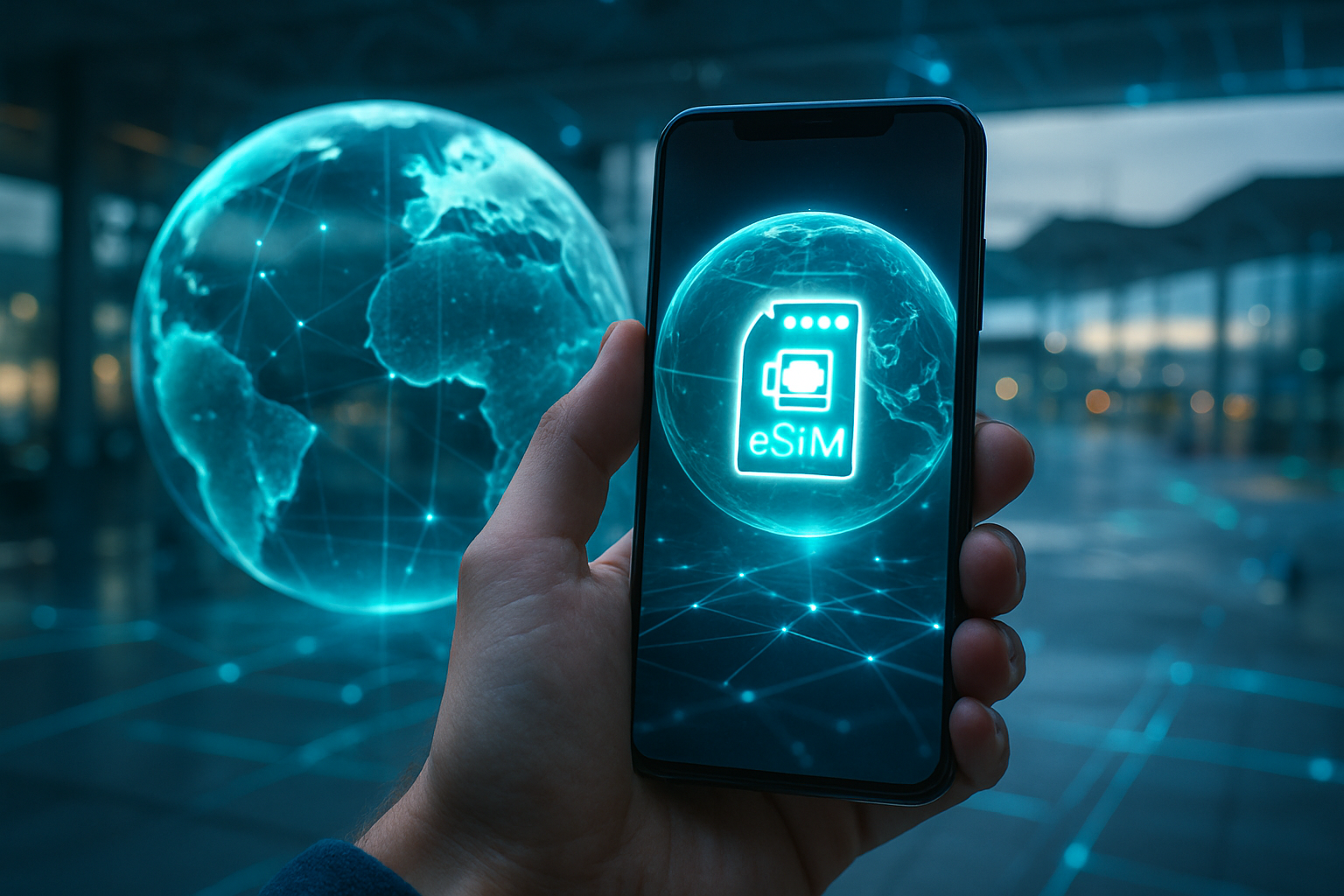
How eSIM supports cross-border mobility
21/06/2026
Privacy is another key consideration for travelers using eSIM technology. Because multiple carriers and profiles can exist on a single device, there is a risk that sensitive location and usage data might inadvertently be shared with third parties or exploited by malicious actors. Travelers moving across borders may also be subject to varying levels of data protection regulation, which can affect how their information is handled or shared. Understanding the privacy policies of eSIM providers and mobile operators is essential when selecting services abroad.
Moreover, travel risks such as physical theft or loss of devices remain relevant. Since eSIMs are embedded in the device and cannot be physically swapped out like traditional SIM cards, losing a device could mean losing access to all active profiles simultaneously. This complicates recovery and requires travelers to implement strong device-level protection, including passwords, biometric locks, and the ability to remotely wipe the device if necessary.
To safeguard eSIM usage while traveling, users should adhere to several best practices. First, always download eSIM profiles from reputable carriers or official apps to ensure authenticity. Enable two-factor authentication (2FA) on accounts linked to mobile services to add an extra security layer. Additionally, staying informed about local regulations concerning mobile data privacy can help travelers make informed decisions about their connectivity options. Regularly updating device software further strengthens defense against vulnerabilities that could be exploited in cross-border environments.
In summary, while eSIM technology significantly enhances mobility for international travelers, being aware of the associated security and privacy challenges is vital. By adopting careful security measures and understanding potential travel risks, users can confidently enjoy the flexibility of eSIMs without compromising their personal data or mobile identity.
Future Trends: eSIM and Global Connectivity
The future of eSIM technology is poised to redefine the landscape of global connectivity, making cross-border mobile communication more seamless and efficient than ever. As mobile technology trends evolve, eSIM stands out as a pivotal innovation facilitating easier access to network services without the need to physically swap SIM cards. This transformation supports broader adoption of digital mobile solutions worldwide, creating a truly global connectivity framework.

One of the key developments in the future of eSIM relates to enhanced interoperability and automation. Emerging standards aim to simplify carrier switching and optimize network selection based on user preference and availability. This means that travelers, expatriates, and international business users will benefit from a smoother experience when moving across different countries or regions, accessing competitive local mobile plans directly from their devices.
Moreover, eSIM technology is accelerating integration with Internet of Things (IoT) devices, further expanding its role in the mobile technology trends shaping global connectivity. Connected vehicles, smart wearables, and industrial sensors equipped with eSIM capabilities enable real-time, borderless communication without complicated logistics. This growth will foster ubiquitous connectivity and support the expanding IoT ecosystem on a worldwide scale.
Security and privacy are also significant focus areas in the evolution of eSIMs. Future iterations are expected to incorporate advanced encryption and authentication protocols that enhance protection against unauthorized access and fraud. These improvements will build trust among users and carriers, encouraging broader adoption and facilitating global mobile data exchange with confidence.
Additionally, regulatory frameworks across various countries are gradually adapting to accommodate this technology, further driving the future of eSIM and enabling consistent global policies. As governments and industry players collaborate to harmonize standards and licensing requirements, users will experience fewer barriers when utilizing mobile services internationally.
Overall, these future trends underline eSIM’s crucial role in advancing global connectivity. By simplifying network management, enhancing device versatility, and enabling secure and continuous communication worldwide, eSIM technology is set to become a cornerstone of the next generation of mobile technology trends, supporting a more connected and mobile global society.
Understanding eSIM Technology
eSIM technology represents a significant evolution in how mobile devices connect to cellular networks. Unlike traditional SIM cards, which are physical chips that must be inserted into a device, an eSIM—or embedded SIM—is built directly into the device’s hardware. This embedded SIM eliminates the need for a removable card, allowing users to switch networks or plans digitally without swapping physical cards.
The concept of eSIM basics centers around its programmable nature. While traditional SIMs are tied to one specific carrier and require manual replacement to change providers, eSIMs can store multiple profiles simultaneously and can be remotely programmed through software. This not only simplifies the process of activating or switching carriers but also enables greater flexibility for users who frequently travel across borders.
One of the key eSIM benefits is the convenience it offers to both consumers and manufacturers. For consumers, eSIMs remove the hassle of physically obtaining and inserting SIM cards when traveling, reducing downtime and the risk of losing or damaging a physical SIM. From a manufacturer’s perspective, devices with embedded SIMs can be made smaller, more durable, and more water-resistant, as they do not require SIM trays or slots.
Furthermore, eSIM technology supports the modern lifestyle’s growing demand for seamless connectivity. It empowers users to manage multiple carrier plans on a single device, making it easier to maintain service in different countries or regions without incurring excessive roaming fees. This flexibility is particularly beneficial for cross-border mobility, allowing individuals to stay connected effortlessly as they move between countries.
Overall, understanding the eSIM basics and recognizing its embedded SIM design and benefits sheds light on why this technology is rapidly becoming the new standard in mobile communication. Its ability to enhance user experience, streamline connectivity, and support global mobility positions eSIM as a critical innovation in the telecommunications landscape.
How eSIM Enhances Cross-Border Mobility
In an increasingly globalized world, cross-border mobility has become a common aspect of both business and leisure travel. One of the biggest challenges travelers face is maintaining consistent and reliable connectivity while moving between countries. This is where eSIM technology plays a transformative role. By enabling seamless eSIM roaming, international travelers can enjoy uninterrupted travel connectivity without the hassle of switching physical SIM cards or dealing with costly roaming charges.

Unlike traditional SIM cards, eSIMs are embedded directly into mobile devices and allow users to switch between multiple cellular plans digitally. This flexibility makes it easier for travelers to activate local data plans in their destination countries instantly, ensuring they stay connected with minimal downtime. Such convenience directly enhances cross-border mobility, as users no longer need to seek out local SIM cards at airports or risk exorbitant fees from their home carriers.
Moreover, eSIM roaming supports a smoother travel experience by removing many logistical barriers. International travelers can manage multiple network profiles through their device settings or an app, selecting the best available connection based on location and pricing. This capability greatly improves travel connectivity by reducing interruptions and giving users access to faster and more reliable mobile networks worldwide.
Another important advantage of eSIM technology in cross-border mobility is its support for long-term travelers and frequent flyers. With eSIM roaming, they can maintain their primary phone number while using local data plans abroad, facilitating constant communication and eliminating the need to carry multiple devices. This aspect enhances not only convenience but also security, as users can avoid sharing personal information at local SIM outlets.
In summary, the adoption of eSIM technology is revolutionizing how people experience cross-border mobility by providing flexible, cost-effective, and reliable travel connectivity. Through seamless eSIM roaming and easy management of multiple carriers, international travelers are empowered to stay connected effortlessly, regardless of where their journey takes them.
Seamless Network Switching with eSIM
Traveling abroad often brings the challenge of finding reliable mobile connectivity without incurring exorbitant roaming charges. Thanks to the innovative technology behind eSIM, users can now experience seamless network switching, enhancing their cross-border mobility. eSIM profiles, which store multiple network credentials digitally, allow travelers to easily switch between local carriers without physically swapping SIM cards.
What makes eSIM particularly powerful is its ability to manage multiple eSIM profiles simultaneously. This capability means that before or during travel, users can download and activate an eSIM profile tailored for the destination country. As a result, switching to the local network becomes a smooth, instant process, eliminating downtime and ensuring continuous global coverage.
Moreover, eSIM technology provides flexibility to select the best network available in terms of coverage and pricing. This eliminates the need to search for compatible SIM cards or navigate complicated activation steps upon arrival. The ease of network switching via eSIM profiles promotes better connectivity, making international travel more convenient and affordable.
In summary, eSIM’s ability to seamlessly switch between networks with ease supports a truly global mobility experience. It simplifies acquiring local services and guarantees uninterrupted access to communication, no matter where the journey takes you.
Cost Benefits of Using eSIM Internationally
When traveling abroad, traditional roaming costs can quickly add up, turning a simple trip into an unexpectedly expensive experience. eSIM technology offers a cost-effective alternative by allowing users to easily switch between multiple international plans without the need to purchase physical SIM cards. This flexibility leads to significant eSIM savings by eliminating overpriced roaming fees that are typically charged by home carriers.
With an eSIM, travelers gain access to a variety of international plans tailored to different regions or countries. These plans are often more affordable than standard roaming packages because they leverage local networks at local rates. This means that users no longer have to rely solely on their domestic carrier’s roaming agreements, which tend to be more costly and less transparent in pricing.
Moreover, the convenience of managing multiple profiles directly from a smartphone’s settings enables users to compare and switch between plans seamlessly, optimizing costs according to their travel itinerary. By choosing the best-suited plan for each destination, travelers maximize their savings and avoid unexpected charges. Ultimately, eSIM technology transforms how users manage connectivity overseas, making global mobility more affordable and accessible than ever before.
Challenges and Security Considerations of eSIM for Travelers
While eSIM technology offers unparalleled convenience for travelers by enabling seamless cross-border connectivity, it also introduces unique challenges, especially concerning eSIM security and privacy. As more users adopt digital SIM profiles, understanding potential travel risks and adopting best practices becomes essential to protect personal data and prevent unauthorized access.
One of the primary security concerns with eSIMs lies in the remote management and provisioning process. Since eSIM profiles are downloaded and activated over the air, attackers who intercept or manipulate these transmissions might gain unauthorized control over a traveler’s mobile identity. This risk can potentially lead to SIM swapping attacks, where criminals access one’s phone number and use it for fraudulent activities or identity theft. Consequently, maintaining robust security protocols during eSIM activation is critical.
Privacy is another key consideration for travelers using eSIM technology. Because multiple carriers and profiles can exist on a single device, there is a risk that sensitive location and usage data might inadvertently be shared with third parties or exploited by malicious actors. Travelers moving across borders may also be subject to varying levels of data protection regulation, which can affect how their information is handled or shared. Understanding the privacy policies of eSIM providers and mobile operators is essential when selecting services abroad.
Moreover, travel risks such as physical theft or loss of devices remain relevant. Since eSIMs are embedded in the device and cannot be physically swapped out like traditional SIM cards, losing a device could mean losing access to all active profiles simultaneously. This complicates recovery and requires travelers to implement strong device-level protection, including passwords, biometric locks, and the ability to remotely wipe the device if necessary.
To safeguard eSIM usage while traveling, users should adhere to several best practices. First, always download eSIM profiles from reputable carriers or official apps to ensure authenticity. Enable two-factor authentication (2FA) on accounts linked to mobile services to add an extra security layer. Additionally, staying informed about local regulations concerning mobile data privacy can help travelers make informed decisions about their connectivity options. Regularly updating device software further strengthens defense against vulnerabilities that could be exploited in cross-border environments.
In summary, while eSIM technology significantly enhances mobility for international travelers, being aware of the associated security and privacy challenges is vital. By adopting careful security measures and understanding potential travel risks, users can confidently enjoy the flexibility of eSIMs without compromising their personal data or mobile identity.
Future Trends: eSIM and Global Connectivity
The future of eSIM technology is poised to redefine the landscape of global connectivity, making cross-border mobile communication more seamless and efficient than ever. As mobile technology trends evolve, eSIM stands out as a pivotal innovation facilitating easier access to network services without the need to physically swap SIM cards. This transformation supports broader adoption of digital mobile solutions worldwide, creating a truly global connectivity framework.
One of the key developments in the future of eSIM relates to enhanced interoperability and automation. Emerging standards aim to simplify carrier switching and optimize network selection based on user preference and availability. This means that travelers, expatriates, and international business users will benefit from a smoother experience when moving across different countries or regions, accessing competitive local mobile plans directly from their devices.
Moreover, eSIM technology is accelerating integration with Internet of Things (IoT) devices, further expanding its role in the mobile technology trends shaping global connectivity. Connected vehicles, smart wearables, and industrial sensors equipped with eSIM capabilities enable real-time, borderless communication without complicated logistics. This growth will foster ubiquitous connectivity and support the expanding IoT ecosystem on a worldwide scale.
Security and privacy are also significant focus areas in the evolution of eSIMs. Future iterations are expected to incorporate advanced encryption and authentication protocols that enhance protection against unauthorized access and fraud. These improvements will build trust among users and carriers, encouraging broader adoption and facilitating global mobile data exchange with confidence.
Additionally, regulatory frameworks across various countries are gradually adapting to accommodate this technology, further driving the future of eSIM and enabling consistent global policies. As governments and industry players collaborate to harmonize standards and licensing requirements, users will experience fewer barriers when utilizing mobile services internationally.
Overall, these future trends underline eSIM’s crucial role in advancing global connectivity. By simplifying network management, enhancing device versatility, and enabling secure and continuous communication worldwide, eSIM technology is set to become a cornerstone of the next generation of mobile technology trends, supporting a more connected and mobile global society.

I’m a lifelong traveler who fell in love with the freedom that eSIM technology offers. Exploring new places while staying seamlessly connected has become my personal mission, and I love sharing practical tips on managing mobile data abroad. When I’m not testing the latest eSIM platforms, I’m mapping out the next adventure.