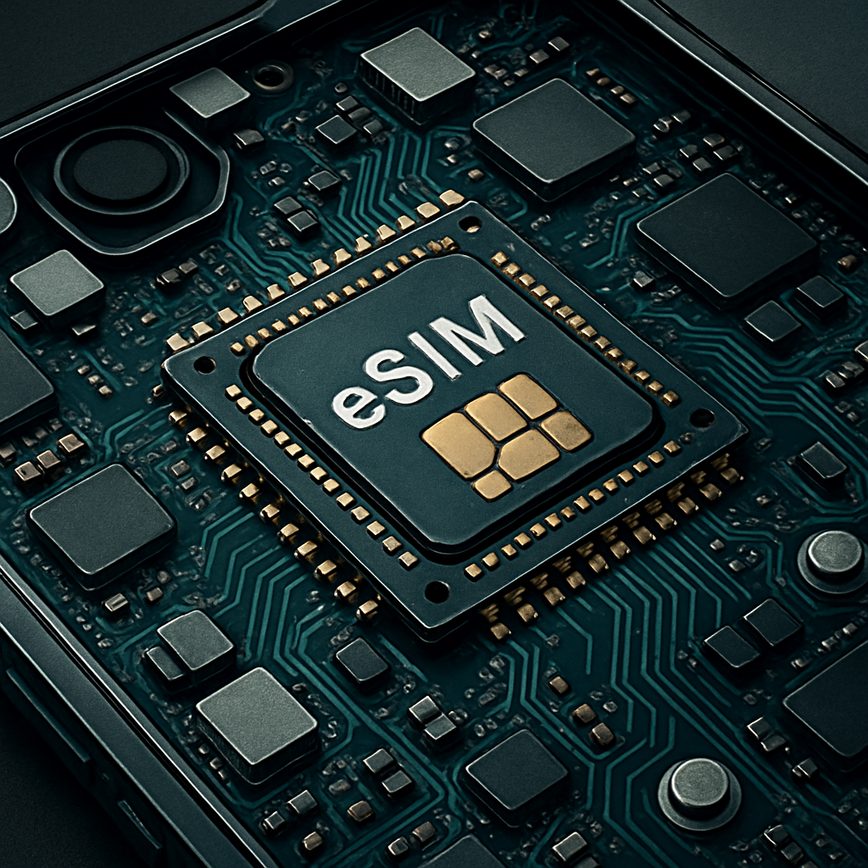
Why telecom innovation includes eSIM
15/05/2026
Understanding eSIM Technology
eSIM, or embedded SIM, is a groundbreaking advancement in telecom technology that reshapes the traditional concept of mobile connectivity. Unlike conventional SIM cards, which are physical cards inserted into a device, an eSIM is a digital SIM embedded directly into the device’s hardware. This innovation allows users to activate a cellular plan without needing a physical card, providing greater flexibility and ease of use.
The primary distinction between eSIM and traditional SIM cards lies in their form factor and functionality. Traditional SIM cards are removable, plastic cards that store subscriber information, requiring manual swapping when changing carriers or plans. In contrast, the eSIM is soldered into the device’s motherboard during manufacturing, eliminating the need for physical replacement. This embedded design reduces the risk of card damage or loss and frees up device space for other components or battery capacity.
Technically, eSIM technology functions by storing multiple carrier profiles securely on the embedded chip. Users can download and switch between profiles remotely via software interfaces, without visiting a store or waiting for a new SIM to arrive by mail. This digital SIM approach facilitates seamless switching between mobile networks, making it ideal for frequent travelers, multi-line users, and IoT devices requiring stable, remote connectivity.
eSIM supports remote provisioning, enabling carriers to update or change subscription details over the air. It complies with GSMA (Groupe Speciale Mobile Association) standards, ensuring wide compatibility across various devices and networks globally. Additionally, eSIM’s embedded nature enhances security, as it is less susceptible to tampering compared to removable SIM cards.
Overall, eSIM represents a significant leap forward in telecom technology by simplifying mobile connectivity, offering more versatile user experiences, and supporting innovative device designs. As digital SIM technology continues to evolve, it is set to become a cornerstone for the next generation of mobile devices and connected solutions.
How eSIM Works
The core of eSIM functionality lies in remote SIM provisioning, a process that enables devices to activate cellular service without needing a physical SIM card swap. Instead of inserting a traditional SIM, the eSIM embedded in the device is programmed remotely and securely by the network operator. This digital SIM allows users to choose or switch carriers directly from their device interface, making the process faster and more flexible.
When a modern device with an eSIM is powered on for the first time or when a new cellular plan is requested, the device initiates remote SIM provisioning. It connects to the carrier’s provisioning server via the internet and downloads the operator’s profile, which includes subscription details, authentication keys, and network settings. This profile is securely stored on the eSIM chip, allowing seamless activation without physical handling.
This remote provisioning mechanism significantly simplifies device activation. Users can activate or switch plans instantly through software menus, often within minutes, without visiting a store or waiting for a SIM card to arrive by mail. Additionally, multiple profiles can be stored on a single eSIM, enabling easy toggling between different carriers or plans, making it ideal for frequent travelers or multi-network users.
Overall, eSIM functionality revolutionizes how devices connect to cellular networks by improving convenience, flexibility, and user control over activation and service management.
Benefits of eSIM Over Traditional SIM Cards
eSIM technology offers numerous advantages over traditional SIM cards, making it a key driver of telecom innovation. One of the foremost benefits is enhanced security. Unlike physical SIM cards that can be easily removed or lost, eSIMs are embedded directly into the device’s hardware, reducing the risk of theft or tampering and providing a more secure connection for users.
Another significant advantage is the space-saving design. Traditional SIM cards require a dedicated slot within devices, which occupies valuable space that could otherwise be used for additional hardware, larger batteries, or slimmer designs. eSIMs eliminate the need for such slots, enabling manufacturers to create more compact and efficient devices without compromising functionality.
Flexibility is also a standout feature of eSIM technology. Users can switch carriers or data plans remotely without needing to obtain a new physical SIM card. This flexibility is especially beneficial for travelers who frequently change networks or for those who want to manage multiple profiles on a single device seamlessly. This ease of switching enhances user convenience and aligns with modern digital lifestyles.
Overall, the eSIM advantages include a combination of improved security, space efficiency, and unparalleled flexibility, making them the preferred choice for next-generation mobile connectivity and a critical component of telecom innovation.
The Role of eSIM in Telecom Innovation
eSIM technology is a powerful catalyst for telecom innovation, fundamentally reshaping the industry’s landscape. As traditional SIM cards evolve into embedded SIMs, the telecom sector experiences unprecedented flexibility and efficiency, driving a broad spectrum of advancements in network evolution and digital transformation. This shift not only streamlines device connectivity but also accelerates how telecom providers manage and deploy services.
One of the most significant contributions of eSIM adoption to telecom innovation is the ability to dynamically switch carriers and profiles without the need for physical SIM card changes. This capability empowers consumers and businesses with unparalleled convenience, fostering greater competition among network operators. As a result, telecom companies are motivated to innovate rapidly, creating more customer-centric offerings and tailored service packages.
Moreover, eSIM technology plays a crucial role in network evolution by supporting the deployment of next-generation wireless technologies, such as 5G and beyond. With more flexible provisioning processes, network operators can efficiently manage IoT devices, smart wearables, and connected vehicles, which are key drivers of digital transformation. The embedded nature of eSIM helps facilitate seamless connectivity for these devices, enabling new use cases and business models that traditional SIMs could not support effectively.
Another aspect where eSIM advances telecom innovation is in reducing operational costs and environmental impact. By eliminating the need for physical SIM distribution and simplifying logistics, operators can focus resources on innovation and service improvement. This efficiency contributes to faster rollout of new services and enhances the overall customer experience, reinforcing the telecom industry’s evolution towards digitally driven solutions.
In conclusion, eSIM adoption is a key driver of telecom innovation by enabling agile network evolution and accelerating digital transformation across the industry. Its benefits extend beyond convenience to fostering competitive markets, supporting emerging technologies, and promoting sustainable practices. As the telecom landscape continues to evolve, the role of eSIM will only become more pivotal in shaping the future of connected experiences worldwide.
Enabling New Business Models
The introduction of eSIM technology is revolutionizing telecom services by enabling more flexible and innovative business models. Unlike traditional SIM cards, eSIMs are embedded digitally in devices, allowing consumers and businesses to switch between carriers and subscription plans without the need to physically change SIM cards. This flexibility opens up new opportunities for telecom providers to design and offer subscription models that better cater to diverse user needs.
With eSIM flexibility, telecom companies can implement dynamic subscription management, where customers can easily activate, pause, or modify their plans on demand. This promotes a customer-centric approach, empowering users to personalize their telecom services seamlessly. Telecom operators can also experiment with various business models, such as pay-as-you-go, short-term plans, or bundled services tailored to specific market segments.
Moreover, eSIM technology facilitates enhanced roaming and connectivity solutions for travelers and IoT device users, allowing seamless access to local networks without changing physical SIMs. This adaptability improves customer satisfaction and retention while expanding the range of telecom service offerings. As a result, eSIMs are not just a technical innovation but a critical enabler for telecom businesses to stay competitive and responsive in today’s fast-evolving digital landscape.
Supporting IoT and Connected Devices
eSIM technology plays a pivotal role in enhancing IoT connectivity by simplifying the way connected devices access mobile networks. Traditional SIM cards pose logistical challenges for devices embedded in remote or difficult-to-access locations, but eSIM integration eliminates these obstacles by allowing remote provisioning and management of network profiles. This innovation fundamentally transforms how IoT ecosystems operate, enabling seamless and scalable deployment of devices without the need for physical SIM replacements.
With eSIMs, telecom innovation accelerates as carriers can support diverse IoT use cases more efficiently, from smart homes and wearables to industrial sensors and connected vehicles. The flexibility to switch operators digitally reduces downtime and operational costs, fostering more reliable and responsive IoT networks. Moreover, eSIM integration aids in global device connectivity by enabling single hardware units to access multiple networks across regions without manual intervention, enhancing user experience and simplifying logistics.
Ultimately, the adoption of eSIM technology is a game changer for connected devices, driving telecom innovation by enabling smarter, more adaptable, and cost-effective approaches to managing IoT connectivity. As industries continue to rely heavily on smart devices, eSIM’s critical role will only grow, ensuring that IoT networks remain robust, versatile, and efficient in meeting the demands of the future.
Future Trends and Challenges in eSIM Adoption
The future of eSIM technology promises to reshape the telecom landscape, introducing new trends and presenting significant adoption challenges. As the telecom industry continues to evolve, eSIM adoption is expected to accelerate, driven by increasing consumer demand for seamless connectivity and device flexibility. This trend is bolstered by the growing ecosystem of compatible devices, from smartphones to IoT gadgets, making eSIM a pivotal component in next-generation telecom services.
One of the most noteworthy future trends in the eSIM market is the expansion of remote SIM provisioning capabilities, allowing users to switch carriers or activate new plans without the need for physical SIM cards. This evolution supports a more dynamic and user-centric telecom experience but also introduces regulatory and security considerations that industry stakeholders must address. Furthermore, the integration of eSIM into more wearable and connected devices will continue to drive market growth, encouraging telecom providers to innovate their service offerings to meet diversified connectivity needs.
Despite these promising trends, the adoption challenges associated with eSIM are considerable. Telecom operators face operational complexities in updating their infrastructure and business models to support fully digital SIM management. There is also a need to overcome consumer awareness barriers, as many users remain unfamiliar with eSIM benefits and use cases. Additionally, varying global regulations and interoperability standards pose hurdles that could slow widespread eSIM deployment, requiring concerted efforts to establish uniform frameworks across regions.
From a market perspective, the eSIM landscape is competitive and rapidly evolving. Telecom trends indicate a shift towards bundled connectivity services that leverage eSIM flexibility, aiming to enhance customer retention and reduce churn. As the eSIM market grows, partnerships between device manufacturers, network operators, and software providers will be crucial to deliver seamless user experiences. Addressing adoption challenges and capitalizing on future trends will determine which players lead the telecom innovation wave driven by eSIM technology.
Regulatory and Security Considerations
Implementing eSIM technology introduces a complex array of regulatory challenges and security considerations that telecom providers must address. One key area is eSIM regulations, which vary significantly across regions, requiring compliance with diverse legal frameworks designed to protect consumer privacy and ensure data security. Telecom operators must navigate these regulations carefully to avoid penalties and to maintain customer trust.
Data security remains a paramount concern as eSIMs involve the remote provisioning and management of subscriber identity modules. Safeguarding this data from interception or unauthorized access is critical, especially given the increased attack surface introduced by remote management capabilities. Advanced encryption protocols and secure authentication mechanisms are essential to protect eSIM profiles throughout their lifecycle.
Privacy concerns are closely linked with regulatory requirements, as the personal information stored and transmitted via eSIMs is sensitive. Telecom companies must implement strict measures to ensure that customer data is handled securely and transparently, adhering to regulations such as GDPR and other local data protection laws. Ensuring user consent and offering clear privacy policies is vital in this regard.
Telecom compliance with these regulatory and security imperatives not only mitigates legal risks but also fosters consumer confidence in eSIM technology. As the landscape evolves, continuous monitoring of regulatory updates and proactive implementation of security best practices will be critical to the successful deployment and adoption of eSIMs worldwide.
Market Growth and Consumer Acceptance
The eSIM market growth has been remarkable in recent years, driven by the expanding telecom industry and rapid advancements in technology acceptance. As more mobile device manufacturers and network providers adopt eSIM solutions, consumer adoption rates continue to climb steadily. This trend highlights a strong shift from traditional SIM cards to embedded SIM technology, which offers increased convenience and flexibility.
One of the key factors influencing the growth of the eSIM market is the increasing demand for seamless connectivity across multiple devices without the hassle of physical SIM swapping. Consumers are attracted to the ability to switch carriers or plans digitally, making the transition effortless and quick. Telecom operators, recognizing this opportunity, have been investing heavily in infrastructure and service offerings tailored to eSIM, further propelling the market.
Additionally, widespread consumer acceptance is fueled by the rise in IoT devices, wearables, and smartphones that support eSIM functionality. As these technologies become more mainstream, the telecom industry sees a corresponding rise in eSIM adoption rates. Security enhancements and global interoperability also play a significant role in reassuring users and encouraging technology acceptance.
Overall, the combination of technological innovation, evolving consumer preferences, and strategic telecom industry initiatives contribute to the robust growth and acceptance of eSIM solutions in the market.

I’m a lifelong traveler who fell in love with the freedom that eSIM technology offers. Exploring new places while staying seamlessly connected has become my personal mission, and I love sharing practical tips on managing mobile data abroad. When I’m not testing the latest eSIM platforms, I’m mapping out the next adventure.