How eSIM improves device deployment efficiency
23/05/2026
Understanding eSIM Technology
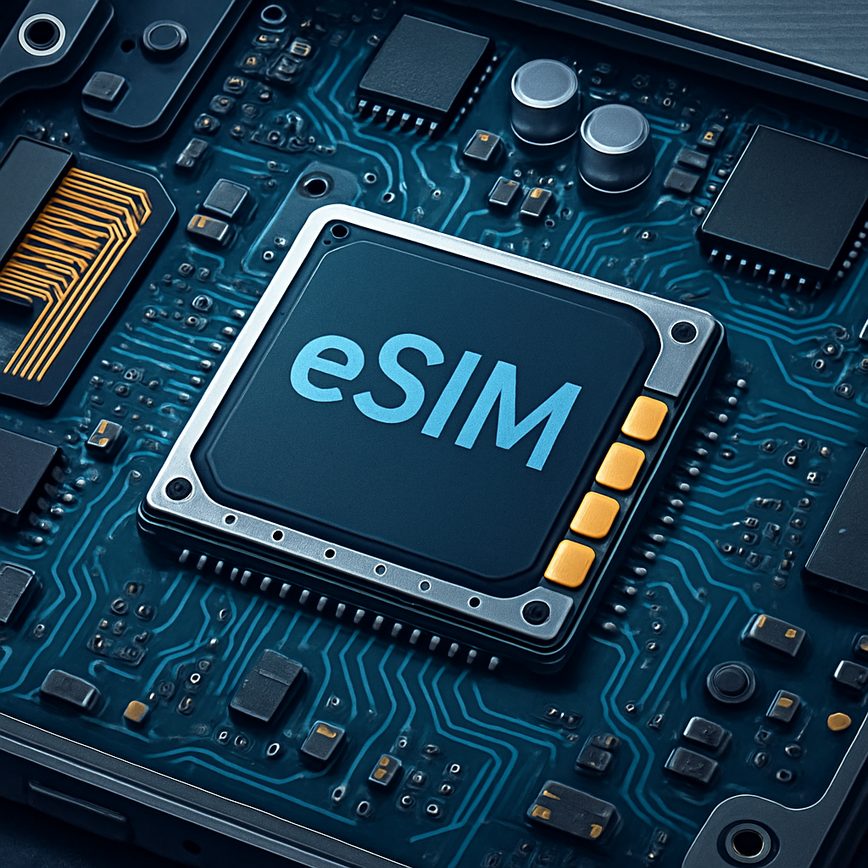
eSIM technology, also known as embedded SIM, represents a significant advancement in device connectivity. Unlike traditional SIM cards, which are physical removable cards inserted into devices, an eSIM is a small chip embedded directly into the device’s motherboard. This fundamental difference eliminates the need for a physical card slot, making devices sleeker and more durable.
One of the key features of eSIM technology is remote provisioning. This allows users to activate and switch mobile network carriers without having to physically swap SIM cards. Through remote provisioning, devices can download SIM profiles over the air, providing seamless and flexible connectivity wherever the user might be. This feature also benefits manufacturers and service providers by streamlining device deployment processes and reducing logistical complexities.
Embedded SIM technology enhances device connectivity by enabling multiple network profiles to be stored on a single chip. This capability allows users to easily switch between different carriers or plans, depending on their needs, without having to carry additional SIM cards. It also supports better international roaming, catering especially to frequent travelers who require connectivity across various countries.
Furthermore, eSIM technology improves security and reliability. Since the SIM is embedded and cannot be physically removed, devices are less vulnerable to theft or tampering related to SIM cards. Additionally, eSIM supports better lifecycle management through software updates, ensuring that connectivity remains up to date and adaptable to changing network requirements.
In summary, eSIM technology transforms the traditional approach to mobile connectivity by replacing physical SIM cards with embedded, remotely provisionable solutions. This change reduces hardware dependencies, enhances device connectivity, and offers unprecedented flexibility and efficiency in managing mobile networks. As a result, eSIM is becoming a critical component in modern mobile devices, improving how users connect and how devices are deployed worldwide.
What is an eSIM?
An eSIM, or embedded SIM, is a form of virtual SIM technology integrated directly into a device’s hardware. Unlike traditional physical SIM cards that are removable and require manual insertion into a device, an eSIM is permanently embedded within the device’s motherboard. This eliminates the need for a physical slot and card, allowing for a more streamlined and compact design.
The eSIM definition centers on its ability to store multiple cellular profiles digitally, enabling users to switch carriers or data plans without physically changing SIM cards. This embedded SIM meaning highlights the flexibility and convenience provided by eSIM technology, making device activation and carrier management much simpler. The virtual SIM acts as a programmable chip, capable of securely downloading and managing network credentials over the air.
With eSIMs, device manufacturers can enhance design efficiency by freeing up space that would otherwise be dedicated to a traditional SIM slot. This integration supports a variety of modern devices including smartphones, tablets, wearables, and IoT gadgets. The shift from physical SIM cards to eSIMs represents a significant advancement in connectivity, offering greater operational efficiency and user experience improvements in device deployment and management.
How eSIM Works with Remote Provisioning
Remote provisioning is a transformative feature of eSIM technology that enables the wireless activation and management of mobile network profiles without the need for physical SIM cards. With remote provisioning, eSIM activation becomes a seamless process where network operators can securely download and install profiles onto a device over the air. This eliminates manual SIM card swapping, reducing deployment time and logistical complexity.
When a device equipped with an eSIM is ready to connect, it communicates with the mobile network operator’s server to request a profile. The server then authenticates the device and securely transmits the mobile network profile, which contains essential information such as the subscriber’s credentials and network settings. This profile is installed directly onto the device’s embedded SIM chip, enabling immediate network access.
The ability to remotely manage and switch network profiles provides enormous benefits for device deployment efficiency. Companies can preconfigure devices with multiple profiles and activate them on demand, facilitating global mobility and multi-network support. IT teams can also centrally control and update mobile network profiles without physical access to devices, dramatically reducing operational costs and downtime.
Overall, eSIM remote provisioning streamlines device deployment, improves flexibility in network management, and supports faster, more agile connectivity solutions for businesses and consumers alike.
Benefits of eSIM for Device Deployment Efficiency
eSIM technology offers a multitude of benefits that significantly enhance deployment efficiency for organizations managing large volumes of devices. One of the most compelling advantages is the streamlined device management process. Unlike traditional SIM cards, which require physical swapping and shipping, eSIMs allow remote provisioning and activation. This eliminates logistical bottlenecks and accelerates deployment timelines, enabling devices to be ready for use almost immediately upon delivery.
Cost reduction is another critical benefit brought about by eSIM in device deployment. Traditional SIM cards incur expenses related to manufacturing, warehousing, physical distribution, and even handling returns or replacements. By contrast, eSIMs reduce or eliminate many of these costs because they are embedded directly into the device and can be programmed digitally. This not only cuts down on material expenses but also reduces human labor and shipping costs, translating into substantial financial savings over time.
Flexibility is a key driver of deployment efficiency facilitated by eSIM technology. With eSIM, devices can switch between network operators without needing a new physical SIM card, allowing organizations to adapt quickly to changing coverage needs or cost structures. This ability to dynamically manage connectivity boosts operational agility and ensures uninterrupted service, even in complex or global deployment scenarios.
Moreover, eSIM supports better scalability for mass device deployments. Companies can activate or update large fleets of devices remotely, managing profiles across various regions or markets from a single interface. This centralized control reduces operational complexity and mitigates risks of errors during deployment, ensuring that devices are consistently configured with the correct network settings.
In summary, the deployment efficiency benefits of eSIM encompass reduced costs, improved flexibility, and enhanced device management capabilities. These advantages collectively empower businesses to deploy devices faster, at lower costs, and with greater adaptability to evolving connectivity needs, making eSIM an essential technology for modern device management strategies.
Simplified Logistics and Inventory Management
eSIM technology significantly reduces the logistical complexities traditionally associated with managing physical SIM cards. In large-scale device deployments, handling thousands or even millions of SIM cards requires meticulous inventory control, secure storage, and coordinated distribution, all of which can slow down the overall deployment process. With eSIM, these challenges are greatly minimized since there is no need to physically swap or distribute SIM cards.
By using eSIM, organizations eliminate the risk of lost or damaged SIM cards and reduce the space and resources needed to store physical inventory. This streamlines SIM card management by enabling remote provisioning and activation, allowing devices to be connected quickly and efficiently without the logistical overhead. This simplification not only accelerates the deployment process but also lowers costs associated with shipping, inventory handling, and manual labor.
Moreover, the centralized management of eSIM profiles means that enterprises can easily track and control active subscriptions digitally. This enhances overall visibility and oversight of inventory status and device connectivity, enabling smoother coordination and faster responses to changing deployment needs. Ultimately, eSIM simplifies logistics and inventory management, making it an essential tool for efficient device rollouts at scale.
Accelerated Device Activation and Provisioning
eSIM technology significantly enhances activation speed by enabling devices to be activated remotely without the need for a physical SIM card. This transformation simplifies the provisioning process, allowing service providers and enterprises to set up devices quickly and efficiently from any location. By removing the dependency on physical distribution and manual SIM swapping, eSIM reduces deployment time, making it possible to activate multiple devices simultaneously and at scale.
Furthermore, eSIM’s remote setup capability accelerates the entire onboarding mechanism, ensuring that devices are ready for use shortly after dispatch. This streamlined activation process shortens the time to market, providing businesses with a competitive edge by rapidly delivering connected products and services to end-users. The ability to manage network profiles digitally also allows for seamless updates and reconfigurations over the air, eliminating delays associated with traditional methods.
Ultimately, eSIM supports a more agile and flexible deployment strategy, where devices can be provisioned and re-provisioned remotely, reducing operational complexities and minimizing downtime. This results in a faster, more reliable activation experience that benefits manufacturers, service providers, and consumers alike, driving efficiency throughout the entire device lifecycle.
Enhanced Flexibility and Scalability
One of the standout advantages of eSIM technology is its provision of flexible connectivity, allowing users to switch carriers or plans without the need for physical SIM card changes. This eliminates the hassle of procuring and inserting new SIM cards, enabling seamless transitions between networks as requirements evolve. Whether it’s optimizing costs or enhancing coverage, eSIM empowers users with agility in managing their cellular connections.
This flexibility is particularly beneficial for businesses and organizations deploying devices at scale. With eSIM, scalable deployment becomes more efficient as devices can be preconfigured or remotely updated to connect to preferred networks in different regions. This capability supports global or regional rollouts without the logistical burden of handling physical SIMs for each location, reducing deployment time and operational complexity.
Moreover, network switching through eSIM enhances device management by enabling quick adaptations to dynamic connectivity needs, whether driven by network performance, cost considerations, or partnership changes. This adaptability supports continuous optimal connectivity for devices, contributing to improved uptime and performance.
In summary, eSIM’s support for flexible connectivity and scalable deployment streamlines network switching processes, making it an indispensable technology for modern device management strategies and expansive deployments across diverse geographic areas.
Real-World Applications and Case Studies
Organizations across various industries are leveraging eSIM technology to streamline enterprise deployment and improve the management of IoT devices. These real-world use cases and case studies highlight the tangible benefits achieved through the adoption of eSIM, including faster deployment times, enhanced connectivity, and operational cost savings.
One prominent example is a global logistics company that implemented eSIMs in its fleet management system. By using eSIM, the company was able to remotely activate cellular plans for its IoT-enabled vehicles without needing to physically swap SIM cards. This capability significantly reduced deployment delays and enhanced the flexibility of their network connectivity across multiple countries. The result was a more agile and responsive supply chain, saving both time and expenses on manual SIM management.
In another case study, a multinational manufacturing corporation deployed connected sensors throughout its factories using eSIM technology. The enterprise deployment of eSIM-enabled devices allowed them to easily switch network operators depending on coverage needs and cost efficiency without disrupting operations. This adaptability not only improved device uptime but also provided robust data flows critical for predictive maintenance and quality control, demonstrating the value of eSIM in industrial IoT environments.
Telecommunications providers also use eSIM in various use cases to offer flexible connectivity to customers. One telecom company introduced a platform that allowed clients to seamlessly switch between data plans via remote provisioning of eSIM profiles. This innovation led to greater customer satisfaction and reduced churn, proving beneficial for large-scale device deployments where rapid changes in service requirements are common.
Additionally, smart city initiatives are capitalizing on eSIM to efficiently deploy IoT devices like smart meters, connected streetlights, and traffic sensors. These projects benefit from eSIM’s remote management features, enabling quick network configuration changes and minimizing maintenance visits. The streamlined enterprise deployment process has accelerated the rollout of these technologies, contributing to more sustainable and responsive urban infrastructure.
Overall, these case studies underscore how eSIM technology can transform device deployment strategies, offering enterprises a scalable, flexible, and cost-effective approach to managing vast IoT ecosystems. The ability to activate, switch, and manage cellular connectivity remotely ensures that businesses stay connected and competitive in an increasingly digital world.
Enterprise Mobile Device Deployment
Large enterprises are increasingly leveraging the power of eSIM in business to revolutionize their approach to enterprise mobility. By integrating eSIM technology, organizations can streamline the deployment process of mobile devices, allowing IT teams to activate and manage cellular connectivity remotely without the need for physical SIM cards. This shift not only expedites device rollouts but also reduces logistical complexities and costs associated with shipping and handling SIM cards.
With eSIM, enterprises gain unparalleled flexibility in connectivity management. They can dynamically switch carriers, update plans, and manage multiple profiles on a single device, all from centralized platforms. This agility is essential in today’s fast-paced business environment where seamless and reliable mobile access is critical for workforce productivity.
Moreover, eSIM facilitates enhanced security as provisioning and activation are handled via secure remote processes, minimizing risks associated with lost or stolen physical SIMs. Enterprises can also optimize device lifecycle management by remotely reassigning connectivity to new users or regions, adapting quickly to changing business demands.
Overall, the implementation of eSIM in business environments significantly improves operational efficiency and supports scalable, cost-effective enterprise mobility strategies. This ensures that enterprises maintain continuous, optimized mobile connectivity while simplifying management and deployment of their mobile devices on a global scale.
IoT and M2M Device Connectivity
The rise of IoT (Internet of Things) and M2M (machine-to-machine) technologies has led to an explosion in the number of connected devices worldwide. Managing and deploying these devices efficiently is critical for businesses looking to leverage IoT solutions at scale. eSIM technology plays a pivotal role in simplifying this process by enabling seamless, remote provisioning and management of cellular connectivity.
With eSIM deployment, companies can activate and manage cellular plans over the air without the need for physical SIM cards. This feature is particularly beneficial for IoT and M2M environments where devices are often deployed in remote or hard-to-reach locations. By eliminating the need for manual SIM swaps, eSIMs reduce logistical complexity and operational costs while accelerating device rollout.
Furthermore, eSIM technology provides enhanced flexibility in IoT device connectivity, allowing devices to switch carriers or plans dynamically to ensure optimal network coverage and cost-efficiency. This adaptability supports the diverse connectivity requirements of connected devices, whether they are smart meters, industrial sensors, or vehicle tracking systems.
In summary, eSIM deployment fundamentally transforms how IoT and M2M devices connect to cellular networks by enabling streamlined management, improving scalability, and reducing downtime. As more industries embrace connected devices, eSIM technology will continue to be a cornerstone for efficient global IoT deployments.

I’m a lifelong traveler who fell in love with the freedom that eSIM technology offers. Exploring new places while staying seamlessly connected has become my personal mission, and I love sharing practical tips on managing mobile data abroad. When I’m not testing the latest eSIM platforms, I’m mapping out the next adventure.