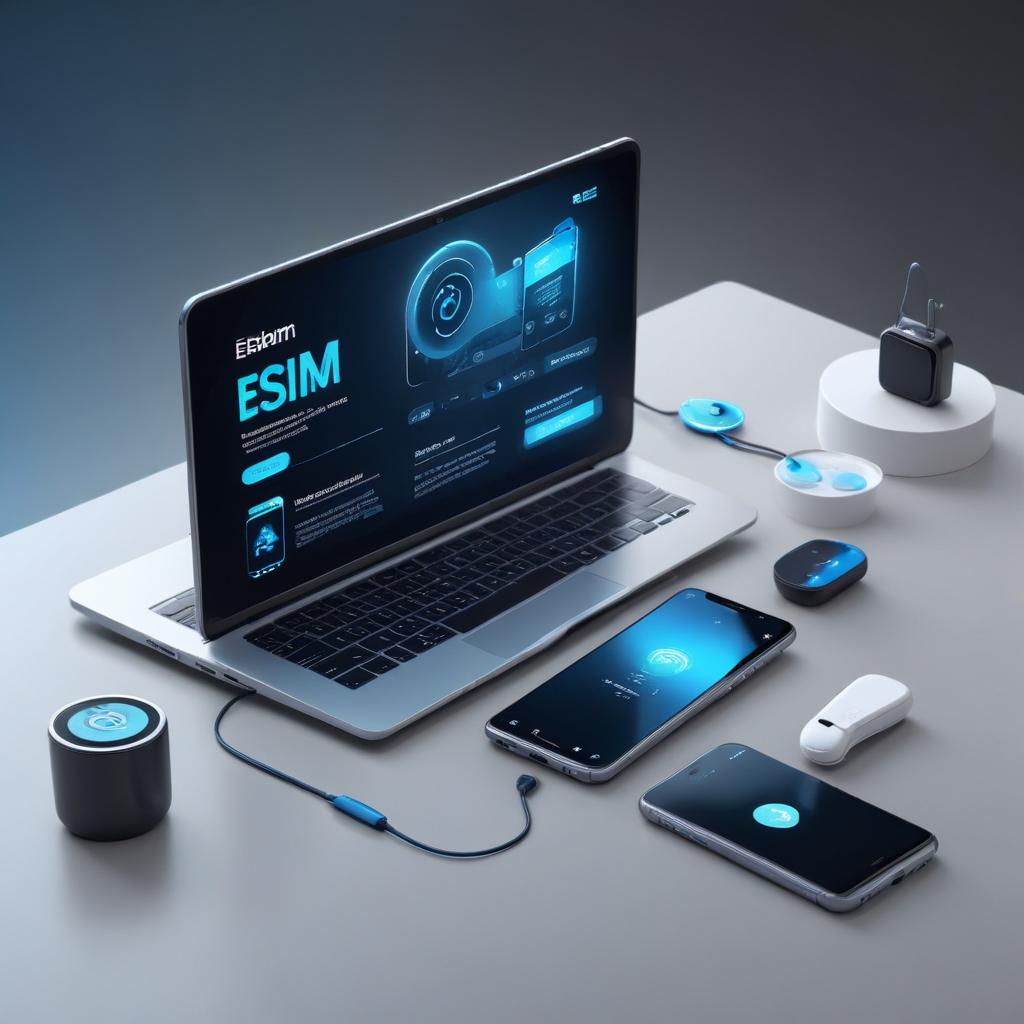
How eSIM changes the way people travel
02/03/2026
Understanding eSIM Technology
eSIM, short for embedded SIM, represents a significant evolution in mobile connectivity technology. Unlike traditional SIM cards, which are physical chips that users must insert into their devices, an eSIM is integrated directly into the device’s hardware. This digital SIM allows for remote provisioning and management of mobile network subscriptions without needing to physically swap SIM cards. This technology overview will explain what an eSIM is, how it contrasts with conventional SIM cards, and its main features.
At its core, the eSIM is a small chip embedded within a device—such as a smartphone, tablet, or smartwatch—that securely stores mobile network credentials. This embedded SIM operates through software, allowing users to download and activate carrier profiles digitally. This means instead of purchasing a physical SIM card from a mobile operator, users can select or change their service provider anytime, anywhere, without visiting a store or waiting for a SIM to be shipped.
Traditional SIM cards are physical removable cards that have been used for decades to authenticate devices on mobile networks. They require manual insertion and replacement, limiting flexibility for users who need to change carriers frequently or travel internationally. In contrast, an eSIM’s embedded nature eliminates the need to handle physical cards, offering a streamlined, seamless experience particularly beneficial for travelers and multi-device users who desire multiple network options.
Among the main features of eSIM technology is its flexibility. Users can store multiple carrier profiles on a single eSIM, switching between them via device settings without removing any hardware. This enables easy management of personal and work numbers or switching between local and international carriers to optimize coverage and costs. Another key feature is its improved durability and design efficiency, as the removal of a physical slot can enhance device waterproofing and save internal space for other components.
Security is also enhanced with eSIM technology. The embedded nature makes it harder to physically tamper with the SIM module, and remote provisioning allows carriers to update or revoke profiles securely. Additionally, the digital SIM supports newer network standards and can facilitate smoother transitions in mobile technology advancements by enabling over-the-air updates.
In summary, eSIM technology revolutionizes mobile connectivity by replacing traditional physical SIM cards with a versatile embedded solution. Its digital nature supports greater flexibility, convenience, security, and improved device design, making it a transformative technology for modern mobile communications.
How eSIM Works
The eSIM, or embedded SIM, operates quite differently from traditional physical SIM cards by being digitally integrated within a device. This digital SIM functionality allows for a seamless communication between the mobile device and cellular networks without the need to insert or swap physical cards. The core of its operation lies in remote provisioning, which enables a user to download and manage multiple carrier profiles directly to the eSIM. This process is typically facilitated over the air (OTA), ensuring users can activate or switch between carriers without visiting a store or waiting for new SIM cards to arrive.
Activation of an eSIM involves scanning a QR code or entering an activation code provided by a mobile carrier. Once the device receives this information, the embedded module securely downloads the carrier’s profile, which contains all necessary credentials for network access. This digital approach provides greater flexibility for travelers and frequent switchers, as they can easily add, remove, or change service plans from multiple providers without needing to handle physical SIMs.
Moreover, eSIM’s remote provisioning capability ensures that updates to carrier profiles, such as plan changes or network authentication modifications, can be executed remotely. This not only streamlines user experience but also enhances security by centralizing SIM management in networks rather than physical cards. Consequently, eSIM activation and operation represent a significant evolution in mobile connectivity, making it simpler and more efficient for users worldwide to stay connected.
Benefits of eSIM Over Traditional SIMs
eSIM technology offers a range of benefits compared to traditional SIM cards, significantly changing mobile connectivity for travelers and everyday users alike. One of the main advantages is convenience: with eSIMs, users no longer need to physically swap SIM cards to change carriers or data plans. This seamless switch can be done digitally, making it much faster and simpler to manage mobile connectivity without the hassle of carrying multiple SIM cards.
Flexibility is another key eSIM benefit. Traditional SIM cards are tied to a single carrier and device, whereas eSIMs can support multiple profiles, allowing users to store and switch between different network operators with ease. This is especially useful for travelers who want to avoid roaming charges by switching to local plans in different countries instantly, reducing both time and cost.
Additionally, eSIMs bring space-saving features to mobile devices. Without the need for a physical SIM slot, manufacturers can design slimmer, more compact devices or use the extra space to improve other components, such as battery life or additional hardware features. This contributes to the overall advancement in mobile technology and device design.
In summary, the eSIM benefits over traditional SIMs include enhanced convenience, greater flexibility for network management, and efficient use of space in devices. These advantages make eSIMs an excellent choice for modern mobile connectivity solutions, transforming how people connect and travel globally.
How eSIM Transforms Travel Experience
The advent of eSIM technology is revolutionizing the way travelers stay connected abroad, fundamentally changing travel connectivity and the management of international roaming. Unlike traditional SIM cards, eSIMs eliminate the need for physical swapping, allowing users to switch between mobile networks seamlessly and instantly. This advancement not only simplifies the process of maintaining connectivity when crossing borders but also offers a more flexible and cost-efficient solution for frequent travelers and digital nomads alike.
One of the greatest impacts of eSIM travel technology is the ability to activate a local plan without needing to visit a store or wait for shipping. Travelers can choose and download mobile plans from local carriers directly onto their devices, which significantly reduces roaming charges and enhances data usage management. This instant access to local networks ensures reliable internet access for navigation, communication, and entertainment, which are crucial for a smooth and enjoyable travel experience.
Furthermore, eSIMs contribute to better travel tech ecosystems by supporting multi-network profiles on a single device. This means that users can maintain their home country number while simultaneously using a local data plan, effectively managing personal and professional communications without juggling multiple devices or SIM cards. This dual connectivity boosts convenience and productivity, especially for business travelers who need constant access to reliable data connections across different regions.
International roaming becomes less cumbersome with eSIMs, as travelers no longer face the tedious process of negotiating with carriers or incurring exorbitant fees. Instead, they enjoy transparent pricing and the simplicity of selecting the best plan for their destination. This democratization of mobile connectivity empowers travelers to explore more freely without the fear of losing contact or facing unexpected expenses.
In conclusion, eSIM technology transforms travel experiences by enhancing mobile connectivity and offering travelers greater control over their international roaming choices. It streamlines the process of connecting to local networks, reduces costs, and enriches the overall travel tech landscape. As eSIM adoption grows, the global traveler can expect more seamless, affordable, and reliable connectivity no matter where their journey takes them.
Seamless International Roaming
International roaming has traditionally been a complicated and expensive aspect of traveling, often requiring travelers to purchase multiple SIM cards or endure high roaming charges. However, with the advent of global eSIM technology, these challenges are rapidly becoming a thing of the past. A global eSIM allows users to switch effortlessly between different mobile networks without the need to physically swap SIM cards, simplifying connectivity across borders.
Thanks to travel data plans available through eSIM providers, travelers can now access affordable and flexible data options tailored to their destinations. These plans often support multiple countries within a single package, enabling seamless internet access from the moment a traveler lands, without the hassle of searching for local SIM cards. This not only saves time but also helps keep roaming costs predictable and budget-friendly.
The ability to easily switch between international roaming networks with a global eSIM means that users can optimize their connectivity choices based on coverage and price. This dynamic selection ensures continuous, reliable service regardless of location, improving the overall travel experience. By embracing eSIM technology, travelers gain unmatched convenience and control over their mobile data use worldwide.
Convenience and Flexibility for Travelers
eSIM technology revolutionizes travel convenience by offering instant activation, eliminating the need for physical SIM swaps or visits to retail outlets. Travelers can activate a cellular plan digitally within minutes, gaining immediate access to mobile networks upon arrival in a new country. This instant connectivity is a game-changer for those who rely on constant communication and data access while exploring unfamiliar destinations.
Another significant advantage of eSIM is its ability to store multiple profiles simultaneously. This digital SIM flexibility allows users to switch between different network operators or plans without physically changing SIM cards. Whether managing personal and work numbers or switching from a home carrier to a local one abroad, travelers can select the best available plan to suit their needs with ease.
By providing these capabilities, eSIM enhances travel convenience and flexibility, ensuring seamless connectivity regardless of location. This means no more interruptions caused by network issues or exorbitant roaming charges. Instead, travelers enjoy the freedom to stay connected anytime, anywhere, making their journeys smoother and more enjoyable.
Future of Travel with eSIM Technology
The future of travel is set to be revolutionized further by the continuous evolution of eSIM technology. As mobile technology advances, eSIM trends indicate a shift towards even greater convenience and connectivity for travelers worldwide. The integration of eSIM into more devices and travel services will create a seamless experience, where switching carriers or accessing local networks no longer requires physical SIM cards or complicated setups.
Travel innovation fueled by eSIM technology allows for dynamic network management, meaning travelers can effortlessly switch between multiple mobile operators in various countries without changing their SIM cards. This flexibility promises not only cost savings but also enhanced network reliability and coverage, essential for today’s connected explorers. The ease of managing mobile plans via apps will empower users to customize their data, voice, and roaming packages on the go, tailored precisely to their travel itinerary and needs.
Moreover, as eSIM capabilities become widespread in more devices – including laptops, tablets, IoT gadgets, and wearables – the travel experience will become more interconnected. Imagine smart devices automatically activating local data plans upon crossing borders, providing real-time updates, navigation, recommendations, and translating services without interruption. The future travel landscape will leverage these capabilities, creating smarter, adaptable, and more efficient journeys.
Another exciting trend is the growing collaboration between eSIM providers and travel industry players such as airlines, hotels, and tour companies. Bundled offers with embedded eSIM profiles could become standard, simplifying connectivity as part of travel packages. This fusion of mobile technology and travel services will enhance customer experience by reducing friction and ensuring consistent communication availability, no matter the destination.
In conclusion, the future travel ecosystem will be deeply influenced by ongoing developments in eSIM technology. Its ability to offer flexibility, cost-efficiency, and seamless connectivity will significantly shape how people plan and enjoy their trips. As eSIM trends progress, travelers will benefit from smarter, more innovative mobile solutions, transforming the way we explore the world and stay connected.
Emerging Trends in eSIM for Travelers
The landscape of travel technology continues to evolve rapidly, with eSIM trends at the forefront of this mobile evolution. One of the most exciting emerging features is the integration of multi-profile eSIMs, enabling travelers to seamlessly switch between different carriers and plans without physically changing SIM cards. This flexibility significantly enhances convenience, especially for frequent international travelers who can now manage multiple local numbers from a single device.
Another promising trend is the advent of AI-powered eSIM management platforms. These systems recommend the best connectivity options based on real-time data such as location, network performance, and user preferences, thus ensuring optimal coverage and cost efficiency during travel. Moreover, these platforms simplify the onboarding process, allowing users to activate and manage eSIMs via intuitive mobile apps.
In addition, eSIM technology is increasingly being integrated with IoT devices, which opens new horizons for connected travel experiences. Travelers can now link their wearables, smart luggage, and vehicle systems to eSIMs, maintaining constant connectivity and enhancing safety and convenience on the move.
As travel technology advances, eSIM features such as instant local network access, global roaming packages, and personalized connectivity services will continue to transform how travelers stay connected abroad. The mobile evolution driven by eSIM trends promises a future where hassle-free, flexible, and cost-effective communication is an integral part of every journey.
Potential Challenges and Considerations
While eSIM technology offers remarkable benefits for travelers, several challenges and considerations must be addressed for its full adoption. One notable challenge is device compatibility. Not all smartphones or travel gadgets currently support eSIM functionality, potentially limiting access for some users. This incompatibility can create inconvenience, especially for those who rely on multiple devices during their travels.
Another significant concern is the travel limitations imposed by eSIM policies. Some countries have regulatory restrictions that affect the activation and use of eSIMs. Travelers may find themselves unable to switch carriers or activate local plans seamlessly in certain regions, reducing the flexibility that eSIMs are supposed to provide. These limitations can disrupt connectivity and may force travelers to depend on traditional SIM cards.
Security is also a critical factor when considering eSIM adoption. Although eSIMs reduce physical SIM swapping risks, they introduce new security concerns, including the potential for remote hacking or unauthorized activation. Ensuring robust encryption and authentication protocols is essential to protect travelers’ personal data and prevent fraudulent use.
In summary, while eSIM technology is poised to revolutionize travel connectivity, addressing eSIM challenges such as device compatibility, travel limitations, and security concerns will be crucial for widespread acceptance and user trust.

I’m a lifelong traveler who fell in love with the freedom that eSIM technology offers. Exploring new places while staying seamlessly connected has become my personal mission, and I love sharing practical tips on managing mobile data abroad. When I’m not testing the latest eSIM platforms, I’m mapping out the next adventure.