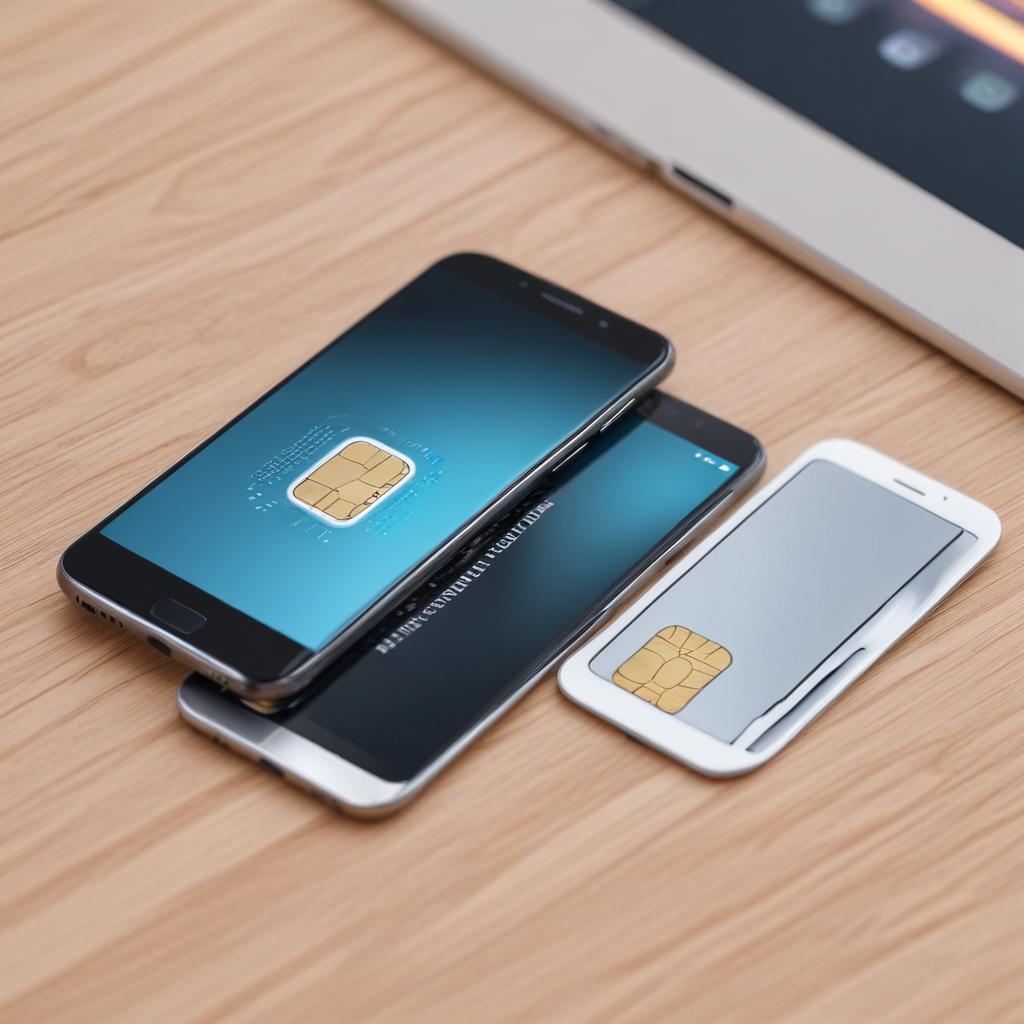
How eSIM enhances privacy during travel
01/03/2026
Understanding eSIM Technology
eSIM, which stands for embedded SIM, represents a modern evolution of traditional SIM technology used in mobile devices. Unlike physical SIM cards that require users to insert a tiny card into their phone, an eSIM is a small chip embedded directly into the device’s hardware. This embedded nature eliminates the need for physical swapping and allows for more dynamic and flexible mobile connectivity options.
The primary difference between eSIM and conventional SIM cards lies in their form factor and functionality. Physical SIM cards are removable and can be easily transferred from one device to another, whereas eSIMs are built into the device and cannot be removed. This integration offers a sleeker device design and reduces the risk of losing or damaging the SIM. More importantly, eSIM technology allows users to download multiple mobile network profiles and switch between them digitally without needing to physically change cards.
Basic functionalities of the eSIM include enabling mobile connectivity by storing the subscriber’s credentials securely on the embedded chip. This means that instead of purchasing a new SIM card when traveling or changing carriers, users can remotely activate or switch between mobile plans through software settings. The eSIM supports multiple profiles, enabling users to maintain separate personal and business numbers on the same device or access local networks in different countries for better coverage and rates.
In summary, eSIM technology revolutionizes traditional SIM cards by embedding the SIM directly into the device, allowing for greater flexibility and convenience in managing mobile connectivity. Its embedded nature, multiple profile support, and digital activation make eSIM an essential advancement in SIM technology, perfect for those who seek seamless and adaptable mobile experiences.
How eSIM Works
eSIM technology revolutionizes mobile connectivity by embedding a programmable SIM directly into your device, eliminating the need for physical SIM cards. This embedded SIM supports the downloading and activation of mobile profiles remotely, allowing users to switch networks or plans without swapping physical cards. The eSIM operates by securely connecting to mobile network operators over the internet, fetching the necessary credentials and configuration data essential for network access. These mobile profiles contain operator-specific settings and authentication details, enabling seamless and secure activation on compatible devices.
The eSIM operation begins when a user scans a QR code or receives a digital activation code from their chosen carrier. This initiates the download of the mobile profile from the carrier’s server directly onto the device’s embedded chip. Advanced encryption ensures that the profile transfer and storage on the eSIM are highly secure, protecting user data and minimizing risks of unauthorized access. This process provides a convenient and flexible solution for travelers who frequently switch carriers to avoid roaming charges, as multiple profiles can be stored and easily managed within a single eSIM-enabled device.
This technology overview highlights the elimination of physical card handling and presents a future-ready approach to mobile connectivity. eSIM’s ability to activate mobile profiles digitally enhances not only user convenience but also streamlines mobile network management, driving efficiency for operators and end users alike.
Advantages of eSIM over Traditional SIM Cards
eSIM technology offers several significant benefits compared to traditional SIM cards, making it a game-changer in mobile convenience. One of the most notable advantages is flexibility. Unlike physical SIM cards that require manual swapping to change carriers or plans, eSIMs allow users to switch between multiple mobile networks digitally. This means travelers can easily activate local carriers without needing a new SIM card, saving time and hassle.
Ease of switching carriers is another key advantage of eSIMs. With traditional SIM cards, switching providers involves purchasing and inserting a new card, which can be inconvenient and slow, especially when abroad. eSIMs eliminate this barrier by enabling instant carrier changes through device settings or mobile apps, offering a seamless experience.
Moreover, eSIMs contribute to a space-saving design in mobile devices. Without the need for a physical SIM slot, manufacturers can design slimmer phones or allocate more space for other components such as larger batteries or improved cameras. This innovation supports the trend towards more compact and efficient devices, enhancing overall user experience.
In summary, the benefits of eSIMs—flexibility, ease of switching carriers, and space-saving design—highlight why this technology is rapidly gaining popularity over traditional SIM cards. It empowers users with greater control and convenience, making mobile connectivity simpler and more adaptable than ever before.
Privacy Benefits of Using eSIM During Travel
Traveling often brings concerns about privacy and travel security, especially when it comes to connectivity. The use of a traditional physical SIM card poses certain risks that can compromise a traveler’s personal data and overall security. eSIM technology, however, offers significant privacy benefits by mitigating these risks, making it an ideal choice for modern travelers focused on data protection.
One of the primary ways eSIMs enhance privacy is by eliminating the need for a physical SIM card. Physical SIM cards can be easily lost, stolen, or cloned, which exposes travelers to data breaches and unauthorized access to their mobile accounts. With an eSIM, the digital profile is embedded directly into the device, reducing the chance of physical tampering. This digital integration prevents the risk of SIM card swapping or cloning, which are common methods used by cybercriminals to intercept calls and messages or access sensitive information.
Additionally, eSIMs support remote provisioning, which means travelers can activate or switch mobile plans without having to physically visit a store or handle multiple SIM cards. This remote functionality minimizes exposure to potential data interception during the SIM card exchange process. Since the eSIM is activated over secure networks, the chances of interception or unauthorized tampering during activation are notably reduced. This feature substantially strengthens travel security by keeping users’ account credentials and mobile identity safer.
Another advantage of eSIM privacy lies in its ability to store multiple profiles securely. Travelers who move frequently between countries or regions can manage local numbers without physically swapping SIM cards, thereby lowering the risk of losing control over their identity. Managing multiple profiles within a secure environment enhances data protection by allowing users to isolate travel and work communications, reducing the risk of privacy leaks.
Furthermore, eSIM technology contributes to less physical waste and inconvenience, but also supports advanced encryption standards. Mobile carriers adopt increasingly sophisticated security protocols for eSIM data management, reducing vulnerabilities associated with traditional SIM technologies. This drives a safer travel experience where personal data, call logs, and message content remain protected against unauthorized access.
In conclusion, the adoption of eSIMs offers travelers enhanced privacy by addressing the weaknesses of physical SIM cards, reducing the risk of data interception during plan activation, and enabling better control over multiple mobile profiles. By prioritizing eSIM privacy and leveraging its inherent security advantages, travelers can protect their data more effectively and enjoy a safer, stress-free connectivity experience on the go.
Minimizing SIM Card Theft and Cloning Risks
Travelers often face significant security risks such as SIM theft and SIM cloning, both of which can compromise their travel privacy and personal data. Traditional physical SIM cards are vulnerable to theft because they can be easily removed from a device and inserted into another, allowing unauthorized access to calls, messages, and sensitive information. Additionally, SIM cloning involves copying the SIM card’s data onto another card, enabling fraudsters to impersonate the traveler’s phone number and perform malicious activities.
eSIM technology offers a robust solution to these security risks by eliminating the need for a physical card altogether. Since eSIMs are embedded digitally within devices, they cannot be physically stolen or swapped, significantly reducing the chances of SIM theft. Moreover, eSIM security protocols make cloning far more complex and less feasible. The eSIM’s remote provisioning system includes encryption and authentication processes that guard against unauthorized duplication and access.
This means travelers using eSIMs enjoy enhanced protection against common threats that jeopardize travel privacy. When a traveler’s device is lost or stolen, the eSIM can be remotely deactivated or switched to a new device without the need for a physical SIM card replacement. Overall, eSIM technology strengthens security by making it more difficult for attackers to capture or clone SIM data, helping ensure that the traveler’s communication remains private and secure throughout their journey.
Control Over Network Connections and Data
Travelers benefit greatly from the ability to seamlessly manage and switch network providers through eSIM technology. This enhanced network control allows users to choose the best available connection based on location, price, or service quality without the hassle of physically changing SIM cards. Such flexibility not only improves convenience but also strengthens connection security by reducing the risk of unauthorized access to mobile data.
Importantly, this agility in switching networks contributes directly to data privacy. When travelers can promptly move between trusted network providers, they diminish the chances of being tracked by unauthorized or less secure networks. This proactive control over network connections ensures that personal information, usage patterns, and sensitive data are better protected, giving travelers peace of mind regarding their digital footprint.
By preventing automatic or unintentional connections to potentially unsafe networks, eSIM users maintain higher standards of connection security. This capability is particularly vital in foreign countries where network policies and data handling practices vary widely. Ultimately, eSIM technology empowers travelers with both the freedom to choose and the security to navigate the digital landscape confidently, safeguarding their data privacy along every step of their journey.
Avoiding Exposure of Personal Information
One of the most significant privacy protection benefits of using eSIM technology while traveling is the reduction in the need to provide physical personal data. Traditional SIM card purchases and activations often require travelers to share sensitive information such as passport details, home addresses, and phone numbers with retailers or mobile carriers. This physical exchange or submission of personal data can expose travelers to risks related to information security breaches and identity theft.
With eSIMs, the process is streamlined and digitized, eliminating many of these vulnerabilities. Travelers can activate local or international cellular plans remotely through a secure digital interface without having to reveal personal data in person. This greatly enhances travel safety by minimizing the points where personal data could be intercepted or mishandled. As a result, eSIMs serve as an effective tool for privacy protection by keeping personal data confined within encrypted networks rather than paper forms or physical SIM packaging.
Furthermore, the virtual nature of eSIMs means fewer physical interactions which reduce the potential for data leaks and unauthorized access. This modern solution not only supports seamless connectivity but also prioritizes safeguarding personal information, enabling travelers to enjoy peace of mind knowing their privacy is better defended throughout their journey.
Practical Tips for Using eSIM to Enhance Travel Privacy
When traveling, using an eSIM can significantly boost your privacy if you follow key security best practices. To optimize your eSIM usage and protect your personal information, consider these actionable eSIM tips tailored for travel privacy.
First, always purchase your eSIM plans directly from reputable providers or official mobile operators rather than third-party websites. This reduces the risk of compromised eSIM profiles that could expose your data. Additionally, ensure your device’s software is regularly updated to benefit from the latest security patches and encryption improvements relating to eSIM functionalities.
Another essential travel privacy tip is to maintain control over your active eSIM profiles. Disable or remove eSIM plans you’re not currently using to minimize the digital footprint your device leaves. This reduces the chances of unauthorized tracking or data interception while switching between networks in different countries.
Leverage the ability of eSIMs to quickly switch between carriers as a privacy enhancement tool. By frequently switching networks, you make it harder for any single provider or third party to track your movements or monitor your online behaviors during your travels. Just be sure to securely store any activation codes or QR scans for your plans to avoid re-exposure during switching.
When setting up your eSIM, avoid using personal information that can be linked back to you directly. Use anonymous or secondary email accounts and avoid inserting sensitive data in network registration fields to minimize the risk of identity exposure.
Combine your eSIM with complementary privacy tools like VPNs and encrypted messaging apps. This layered security approach helps mask your IP address and encrypt your conversations, further safeguarding your privacy even when connected through various mobile networks.
Lastly, remain aware of local regulations governing eSIM usage and data privacy in your travel destinations. Adjust your eSIM strategies accordingly by either enabling stronger encryption where available or limiting activation to trusted networks that promise enhanced security protection.
By following these eSIM tips and security best practices, travelers can confidently leverage digital mobile connectivity while maximizing travel privacy and minimizing risks in an increasingly connected world.
Choosing Reliable eSIM Providers
When selecting eSIM providers, it’s essential to prioritize those that are recognized as trusted carriers to ensure secure connections and protect your privacy. Reliable eSIM providers implement strong encryption protocols and have transparent privacy policies, safeguarding user data from unauthorized access. Look for providers with positive reviews and verified security certifications, as these indicate their commitment to maintaining high privacy standards.
Trusted carriers often include major mobile network operators and established digital SIM service companies that have a proven track record in the industry. These providers typically offer secure connections that help prevent data interception or tracking, critical during international travel when using public or unfamiliar networks. Additionally, they regularly update their software to patch vulnerabilities and keep your information safe.
Before purchasing, review the eSIM provider’s data handling practices, ensuring they do not sell or share your personal information with third parties. Good providers will give you control over your data and allow you to manage your eSIM profile through secure, user-friendly platforms. Keep an eye out for customer support availability to assist should you encounter any security concerns while traveling.
Choosing the right eSIM providers is a key step in maintaining privacy and securing your mobile connections on the go. Prioritize trusted carriers with robust security measures to enjoy a worry-free travel experience.
Managing eSIM Profiles Securely
Effectively managing multiple eSIM profiles is vital for maintaining mobile privacy, especially during travel. To securely handle eSIM management, always use strong, unique passwords for your device and related apps that control profile settings. These passwords act as the first line of defense against unauthorized access.
Utilize the security features built into your device, such as biometric authentication or two-factor authentication (2FA), to add an extra layer of protection when switching or managing eSIM profiles. This ensures that only authorized users can access profile information and make changes.
When traveling, avoid connecting to public or unsecured Wi-Fi networks without a VPN, as these can expose your eSIM profile data to potential hackers. Additionally, regularly update your device’s operating system and carrier apps to patch any security vulnerabilities that might jeopardize your profile security.
Be mindful of deleting old or unused eSIM profiles from your device to minimize the risk of unauthorized use. Maintaining an organized eSIM profile list reduces confusion and makes it easier to monitor active subscriptions.
In conclusion, combining strong authentication methods, secure network practices, timely updates, and careful management of eSIM profiles will enhance mobile privacy and protect your data against unauthorized access while traveling.

I’m a lifelong traveler who fell in love with the freedom that eSIM technology offers. Exploring new places while staying seamlessly connected has become my personal mission, and I love sharing practical tips on managing mobile data abroad. When I’m not testing the latest eSIM platforms, I’m mapping out the next adventure.