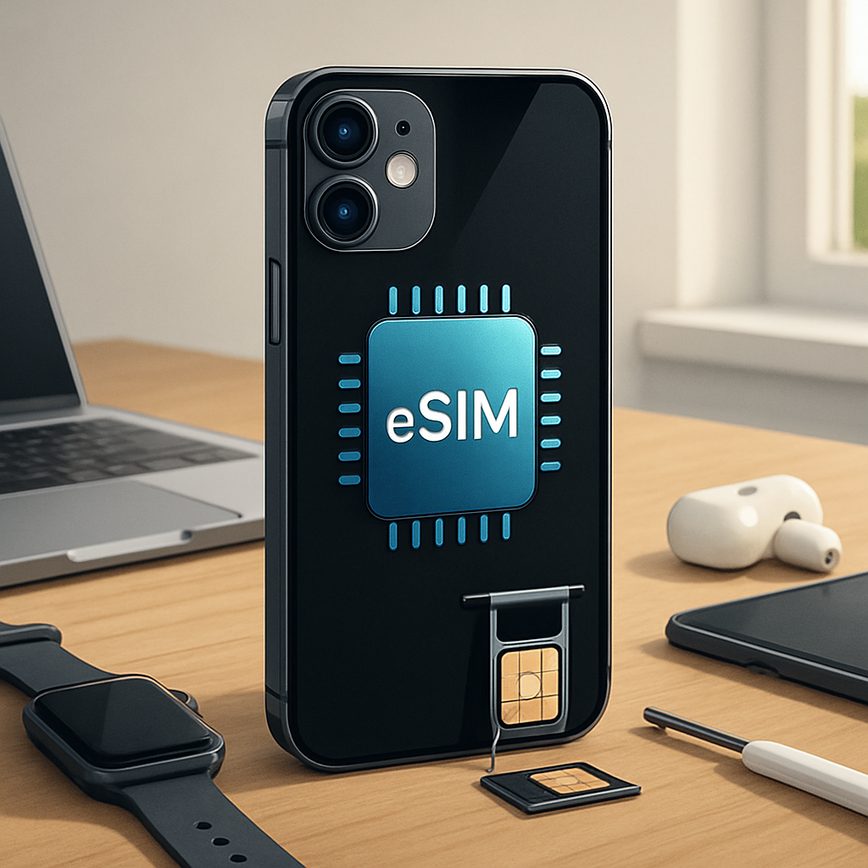
How eSIM simplifies switching networks
27/03/2026
Understanding eSIM Technology
eSIM technology represents a significant advancement in mobile connectivity, redefining how users interact with their mobile devices. Unlike traditional physical SIM cards that require manual insertion and replacement, an eSIM—or embedded SIM—is a digital SIM embedded directly into the device’s hardware. This built-in chip can be programmed remotely by mobile network operators, allowing users to activate and switch between mobile plans without needing a physical card swap.
The core difference between an eSIM and a traditional SIM card lies in their form and flexibility. Physical SIM cards are small removable modules that store subscriber identification information, which mobile phones require to connect to a cellular network. eSIM technology eliminates the need for this physical component by digitizing the SIM, enabling the device to download multiple profiles securely. This digital SIM functionality enables seamless connectivity and greater convenience for users, especially those who frequently switch networks or travel internationally.
In modern mobile devices, eSIM technology plays a critical role by supporting multiple mobile accounts on a single device without the hassle of carrying numerous physical SIM cards. Users can easily manage their mobile plans through software interfaces, choosing and activating operators based on cost, coverage, or preference without delay. This flexibility enhances mobile connectivity, streamlining the process of network switching and removing traditional barriers tied to physical SIM logistics.
Moreover, eSIM technology contributes to improved device design and security. By embedding the SIM component within the device, manufacturers can save internal space and improve resistance to physical damage or loss. Additionally, the ability to remotely update or change network profiles reduces the risk of SIM card theft or tampering, offering users a more secure mobile experience.
Overall, the rise of eSIM technology marks a pivotal shift in the mobile connectivity landscape, fostering greater convenience, flexibility, and security for users worldwide. As more mobile devices adopt this embedded SIM standard, it is set to become a foundational element in how we connect to networks in the future.
What is an eSIM?
An eSIM, short for embedded SIM card, is a modern alternative to the traditional physical SIM card found in most mobile devices. Unlike conventional SIM cards, which are removable chips inserted into a device, an eSIM is a small chip embedded directly into the device’s motherboard. This digital SIM is programmed remotely, allowing users to switch carriers without needing to physically swap SIM cards.
The eSIM definition highlights its role as a flexible and convenient solution for mobile connectivity. Instead of handling multiple physical SIMs, users can store several mobile profiles on a single embedded SIM and activate the one they need. This functionality simplifies the process of changing networks, especially for frequent travelers or people who want to manage personal and business lines on the same device.
From a technical perspective, an eSIM uses the same global system for mobile communications (GSMA) standards as traditional SIM cards but differs in form factor and management. It is reprogrammable over the air (OTA), which means mobile carriers can update or change service profiles remotely without user intervention. This digital SIM eliminates the limitations of space and wear-and-tear associated with physical SIM cards, supporting improved device design and enhanced security features.
Advantages of eSIM Over Physical SIM
eSIM technology offers several compelling eSIM benefits compared to traditional physical SIM cards. One of the most noticeable advantages is convenience. With an eSIM, there is no need to physically swap SIM cards when switching networks, allowing users to seamlessly change carriers or mobile plans directly from their device settings. This flexibility is especially valuable for frequent travelers and those who want to explore different network providers without hassle.
In terms of mobile SIM advantages, the eSIM is significantly smaller than physical SIM cards, freeing up internal space within devices. This size savings contributes to slimmer and more compact smartphone designs, enabling manufacturers to allocate space for other components like larger batteries or advanced hardware features. Additionally, the absence of a physical tray reduces the risk of damage and wear, enhancing device durability over time.
Another important aspect is the positive environmental impact. The production and disposal of physical SIM cards involve plastic and other materials that contribute to waste. Transitioning to eSIMs can help reduce plastic consumption and e-waste, making it a more eco-friendly solution in the mobile SIM landscape.
Overall, the combination of convenience, flexibility, size savings, and environmental benefits makes eSIM a superior choice over the traditional physical SIM. These factors collectively simplify network switching and represent a significant step forward in mobile connectivity technology.
How eSIM Simplifies Switching Networks
Switching mobile carriers and plans has traditionally been a cumbersome process, often requiring users to obtain and physically replace a SIM card. This can cause delays, inconvenience, and sometimes even technical difficulties. However, with the advent of eSIM technology, switching networks has become remarkably straightforward and efficient.
eSIM, or embedded SIM, is a digital SIM that is built into your device, eliminating the need for a physical SIM card. This embedded feature allows users to download and activate new carrier profiles remotely, directly on their smartphone or tablet. As a result, eSIM network change no longer involves waiting for a physical card to arrive or visiting a carrier store, which significantly speeds up the process.
One of the most significant advantages of eSIM technology for network switching is flexibility. Users can easily switch plans between multiple mobile carriers without swapping SIM cards. For example, if a user wants to take advantage of a better plan or network coverage from a different carrier, they simply download the new carrier’s profile onto their device. This instant access to new plans empowers consumers to make informed decisions based on their needs and budget without any hassle.
Moreover, eSIM technology supports multiple profiles on a single device, enabling users to store more than one carrier profile simultaneously. This feature is especially beneficial for frequent travelers or individuals managing personal and work numbers on the same phone. Switching between networks can be done with just a few taps in the device settings, without any physical intervention.
In addition, eSIM enhances security and reliability during network switching. Since there is no physical card involved, the risks of losing or damaging the SIM card are eliminated. Network switching through eSIM is controlled digitally, reducing human error and streamlining the entire carrier activation process.
Ultimately, eSIM technology revolutionizes how users interact with mobile carriers by offering a faster, more convenient, and more efficient way to switch plans. It frees users from the physical constraints of traditional SIM cards, enabling seamless network switching wherever they are, whenever they want. This innovation paves the way for a more dynamic and user-friendly mobile experience in an increasingly connected world.
Instant Activation and Profile Download
One of the standout features of eSIM technology is the ability to achieve instant activation of eSIM profiles, which significantly simplifies network setup and carrier switching. Unlike traditional SIM cards that require physical swapping and manual input, eSIM profiles can be downloaded directly onto your device through QR codes or dedicated carrier apps. This streamlined process allows users to activate a new network almost immediately without any waiting period.
When you choose a new service provider, you simply scan a QR code provided by the carrier or open their app to download the eSIM profile directly to your device. This profile contains all the necessary network information, eliminating the need for physical SIM cards. The activation process is swift and can be completed within minutes, facilitating seamless carrier switching whether you’re upgrading your plan, traveling, or exploring different network options.
Furthermore, this instant activation capability enhances user experience by reducing downtime and ensuring constant connectivity. With eSIM profiles readily available and easily accessible for download, users enjoy greater flexibility and control over their mobile network choices. This not only benefits individual consumers but also enterprises managing multiple devices, making network management simpler and more efficient.
In summary, the instant activation and profile download functionality of eSIMs revolutionizes how users set up networks and switch carriers, delivering convenience, speed, and flexibility all in one package.
Managing Multiple Networks on One Device
With the advancement of eSIM technology, managing multiple networks on a single device has never been easier. Unlike traditional SIM cards, which require physical swapping to change networks, eSIMs allow users to store multiple network profiles digitally. This feature, often referred to as eSIM multi profiles, enables seamless switching between different carriers without the hassle of removing and inserting physical SIM cards.
Dual SIM functionality has been enhanced by eSIM technology, allowing one physical SIM card and multiple eSIM profiles to coexist on a single device. This makes mobile management highly flexible, especially for users who travel frequently or need to separate personal and work numbers. Instead of carrying several devices or multiple SIM cards, users can activate the desired network profile on-demand through simple device settings.
This capability not only simplifies switching networks but also optimizes costs and coverage by letting users choose the best available network depending on their location. Furthermore, activating a new network profile via eSIM is quick and can often be done remotely, eliminating the need to visit a store or wait for physical SIM delivery. Ultimately, managing multiple networks on one device through eSIM multi profiles offers unparalleled convenience and control over your mobile connectivity.
Implications for Consumers and Carriers
The adoption of eSIM technology is reshaping the mobile industry, bringing significant benefits to consumers while also creating profound impacts on carriers. For consumers, eSIM offers unparalleled convenience by eliminating the need for physical SIM cards, enabling seamless switching between networks without visiting a store or waiting for a new SIM to arrive. This flexibility empowers users to take greater control over their mobile plans, encouraging competition among carriers and potentially leading to more attractive pricing and service options.
From a consumer benefits perspective, eSIM enables easy management of multiple profiles on a single device, making it ideal for travelers or those who want to separate personal and business numbers. Additionally, eSIM adoption contributes to environmental sustainability by reducing plastic waste associated with traditional SIM cards. The simplicity of activating a plan digitally also enhances user experience, reducing friction and making mobile connectivity more accessible worldwide.
For carriers, the shift to eSIM represents both opportunities and challenges. On one hand, it allows network providers to streamline their operations by managing subscriptions digitally and reducing logistical costs related to SIM manufacturing and distribution. eSIM adoption can facilitate faster onboarding of customers and lower support costs by simplifying the activation process. Furthermore, carriers may gain new business opportunities by offering more flexible and customizable mobile plans tailored to diverse customer needs.
On the other hand, the rise of eSIM adoption intensifies competition in the mobile industry. With easier switching, carriers must focus more on customer retention and delivering superior service quality rather than relying on physical SIM lock-ins. Market trends indicate that this increased fluidity pressures providers to innovate continuously and optimize pricing strategies. Additionally, new challenges around security, interoperability, and regulatory compliance emerge as eSIM technology becomes more widespread.
Overall, the implications of eSIM for consumers and carriers highlight a pivotal transformation in mobile connectivity. Consumers enjoy enhanced convenience and flexibility, while carriers face the imperative to adapt to a digital-first approach in subscriber management. As eSIM adoption accelerates globally, it will continue to influence market dynamics and drive innovation within the mobile industry.
Benefits for Consumers
eSIM technology brings remarkable convenience to consumers by revolutionizing the way they access mobile networks. With eSIM, users can effortlessly switch networks without physically changing SIM cards, enabling seamless transitions and flexibility. This flexibility extends to flexible plans, allowing consumers to choose and customize mobile data packages that best fit their changing needs, rather than being locked into rigid contracts.
For travelers, eSIM offers significant benefits by simplifying connectivity abroad. Instead of hunting for local SIM cards, consumers can instantly select local or international plans from their devices, ensuring continuous service and avoiding roaming fees. This ease of switching networks enhances the overall travel experience, providing uninterrupted access to communication and data services wherever they go.
Cost savings are another critical advantage of eSIM technology. By comparing different carriers and plans digitally, consumers can find more competitive prices and optimize their spending on mobile services. This transparency and ability to switch plans quickly without physical SIM swaps reduce the financial burden on users, empowering them to make smarter choices that maximize value.
Overall, eSIM technology significantly improves consumer convenience by delivering flexible plans, travel benefits, and cost reductions, ultimately enhancing the mobile user experience in a digital-first world.
Challenges and Opportunities for Carriers
Carriers face significant challenges when adopting eSIM technology, particularly due to increased market competition and the rapid pace of technology adoption. The transition to eSIM demands substantial investment in new infrastructure and systems to manage remote SIM provisioning and customer activation seamlessly. Moreover, carriers must navigate complex regulatory environments and ensure interoperability across different device manufacturers and network operators.
Despite these challenges, eSIM also presents compelling business opportunities. By embracing eSIM, carriers can offer enhanced flexibility to customers, such as instant network switching and multi-profile management, which were previously impossible with traditional SIM cards. This can lead to improved customer satisfaction and loyalty in an increasingly competitive market.
Additionally, eSIM opens new revenue streams through innovative service offerings like IoT connectivity, global roaming packages, and tailored data plans for diverse user groups. The technology encourages carriers to rethink their business models, focusing on digital-first approaches that leverage data analytics and personalized user experiences. Ultimately, while carrier challenges are significant, the eSIM business landscape promises transformation and growth for those willing to adapt swiftly.

I’m a lifelong traveler who fell in love with the freedom that eSIM technology offers. Exploring new places while staying seamlessly connected has become my personal mission, and I love sharing practical tips on managing mobile data abroad. When I’m not testing the latest eSIM platforms, I’m mapping out the next adventure.