Understanding eSIM carrier partnerships
12/05/2026
IoT connectivity plays a crucial role in redefining eSIM partnerships by enabling a vast ecosystem of interconnected devices across industries. This drives carriers to collaborate more closely with technology providers and manufacturers to support diverse IoT applications, from smart homes to industrial automation. The ability to remotely provision and manage eSIM profiles enhances flexibility and scalability, critical for the growing number of IoT devices requiring constant network access.
Global roaming remains a vital aspect of eSIM adoption, with partnerships focusing on broadening coverage and simplifying connectivity for international travelers. Innovations in eSIM platforms facilitate instant connectivity across borders without the need to physically swap SIM cards, thereby improving user convenience and reducing costs. Such partnership innovations are accelerating the adoption of eSIM technology worldwide, driving a more connected and integrated digital ecosystem.

Regulatory issues also pose a major hurdle. Telecommunication regulations vary widely between countries and regions, affecting how eSIM profiles can be provisioned, managed, and transferred. Compliance with these diverse regulatory frameworks requires carriers and manufacturers to navigate complex legal landscapes, which can delay market entry and increase operational costs.
In addition, consumer awareness remains relatively low. Many users are unfamiliar with eSIM technology, how it works, and its benefits compared to physical SIM cards. This lack of understanding slows demand and adoption rates, requiring carriers to invest heavily in education and marketing efforts to bridge the knowledge gap.
Lastly, technology fragmentation exacerbates these challenges. With various manufacturers adopting different eSIM implementations and standards, creating a fully interoperable ecosystem is difficult. This fragmentation restricts seamless customer experiences and limits the potential for widespread eSIM integration across devices and carriers.
Emerging Trends in eSIM Partnerships
The evolution of eSIM carrier partnerships is being significantly shaped by innovative technological trends such as 5G integration and IoT connectivity. As 5G networks expand globally, they offer unprecedented speed, lower latency, and enhanced reliability, creating new opportunities for carriers to innovate their service offerings and form strategic alliances. These advancements allow eSIM-enabled devices to harness the full potential of next-generation connectivity, fostering seamless experiences for consumers and businesses alike.
IoT connectivity plays a crucial role in redefining eSIM partnerships by enabling a vast ecosystem of interconnected devices across industries. This drives carriers to collaborate more closely with technology providers and manufacturers to support diverse IoT applications, from smart homes to industrial automation. The ability to remotely provision and manage eSIM profiles enhances flexibility and scalability, critical for the growing number of IoT devices requiring constant network access.
Global roaming remains a vital aspect of eSIM adoption, with partnerships focusing on broadening coverage and simplifying connectivity for international travelers. Innovations in eSIM platforms facilitate instant connectivity across borders without the need to physically swap SIM cards, thereby improving user convenience and reducing costs. Such partnership innovations are accelerating the adoption of eSIM technology worldwide, driving a more connected and integrated digital ecosystem.
Regulatory issues also pose a major hurdle. Telecommunication regulations vary widely between countries and regions, affecting how eSIM profiles can be provisioned, managed, and transferred. Compliance with these diverse regulatory frameworks requires carriers and manufacturers to navigate complex legal landscapes, which can delay market entry and increase operational costs.
In addition, consumer awareness remains relatively low. Many users are unfamiliar with eSIM technology, how it works, and its benefits compared to physical SIM cards. This lack of understanding slows demand and adoption rates, requiring carriers to invest heavily in education and marketing efforts to bridge the knowledge gap.
Lastly, technology fragmentation exacerbates these challenges. With various manufacturers adopting different eSIM implementations and standards, creating a fully interoperable ecosystem is difficult. This fragmentation restricts seamless customer experiences and limits the potential for widespread eSIM integration across devices and carriers.
Emerging Trends in eSIM Partnerships
The evolution of eSIM carrier partnerships is being significantly shaped by innovative technological trends such as 5G integration and IoT connectivity. As 5G networks expand globally, they offer unprecedented speed, lower latency, and enhanced reliability, creating new opportunities for carriers to innovate their service offerings and form strategic alliances. These advancements allow eSIM-enabled devices to harness the full potential of next-generation connectivity, fostering seamless experiences for consumers and businesses alike.
IoT connectivity plays a crucial role in redefining eSIM partnerships by enabling a vast ecosystem of interconnected devices across industries. This drives carriers to collaborate more closely with technology providers and manufacturers to support diverse IoT applications, from smart homes to industrial automation. The ability to remotely provision and manage eSIM profiles enhances flexibility and scalability, critical for the growing number of IoT devices requiring constant network access.
Global roaming remains a vital aspect of eSIM adoption, with partnerships focusing on broadening coverage and simplifying connectivity for international travelers. Innovations in eSIM platforms facilitate instant connectivity across borders without the need to physically swap SIM cards, thereby improving user convenience and reducing costs. Such partnership innovations are accelerating the adoption of eSIM technology worldwide, driving a more connected and integrated digital ecosystem.
Introduction to eSIM Carrier Partnerships
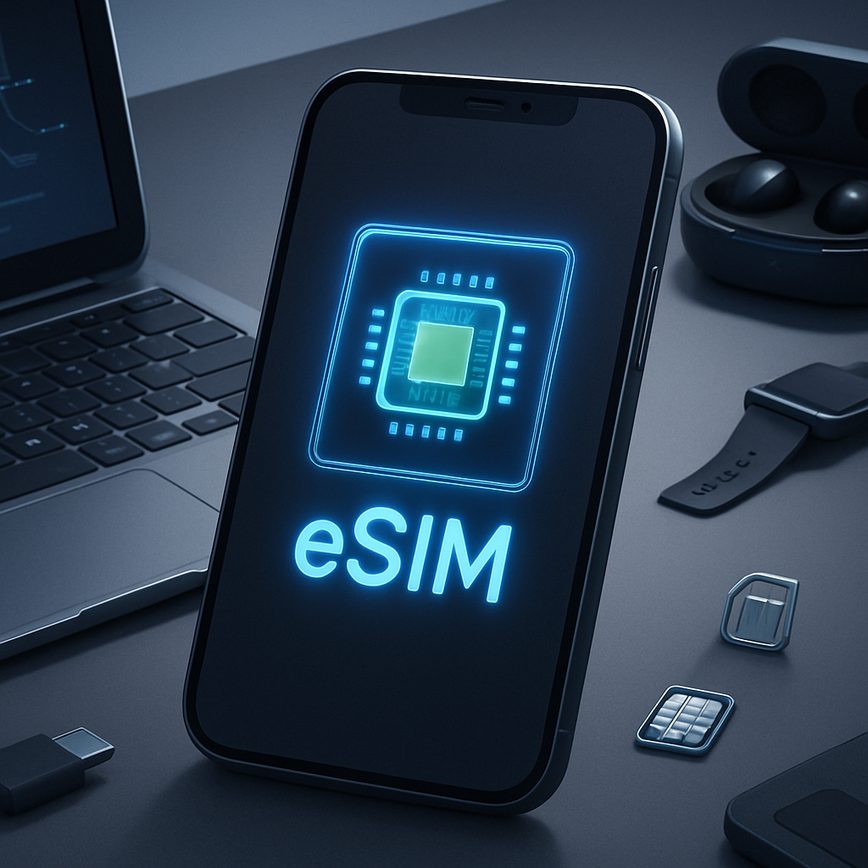
eSIM technology, short for embedded SIM, represents a fundamental shift in how mobile connectivity is managed and delivered. Unlike traditional physical SIM cards, an eSIM is a digital SIM embedded directly into a device, allowing users to activate a cellular plan without needing to insert a physical card. This digital SIM capability offers unparalleled convenience, flexibility, and efficiency, enabling seamless switching between carriers and plans without the hassle of swapping SIM cards.
The basics of eSIM technology hinge on its ability to securely store multiple carrier profiles on a single embedded chip, which can be updated remotely over the air. This eliminates the need for a physical SIM card slot and supports a wide range of devices, from smartphones and tablets to wearables and IoT gadgets. As the world moves toward a more connected and mobile future, eSIM technology is at the forefront of transforming mobile connectivity by making it easier and faster for users to stay connected.
However, the successful deployment and widespread adoption of eSIM technology rely heavily on strong carrier partnerships. Mobile carriers play a crucial role in enabling the necessary infrastructure to support eSIM profiles and ensuring interoperability across diverse devices and networks. Carrier partnerships are essential for negotiating eSIM profile provisioning, managing network authentication, and delivering a seamless user experience when switching plans or adding new numbers.
These partnerships also enable carriers to adapt their services for the digital SIM era by integrating new business models, such as offering flexible, short-term data plans or allowing travelers to switch to local networks effortlessly. Without strategic collaboration between device manufacturers, network operators, and service providers, the potential of eSIM technology to revolutionize mobile connectivity would remain limited.
In summary, understanding the basics of eSIM and the importance of carrier partnerships reveals how these collaborations are critical to unlocking the full benefits of digital SIM technology. They help create a more dynamic and user-friendly mobile ecosystem, paving the way for a future where connectivity is as simple and versatile as the devices we use every day.
What is an eSIM?
An embedded SIM, or eSIM, is a digital SIM that eliminates the need for a physical SIM card in your mobile device. Unlike traditional mobile SIM cards, which are removable plastic cards that you insert into your phone, an eSIM is a small chip embedded directly into the device’s hardware. This eSIM technology allows users to activate a cellular plan without physically swapping cards, offering a more streamlined and flexible mobile experience.
The primary difference between an embedded SIM and a physical SIM card is that the eSIM is programmable remotely by carriers, which means you can easily switch between different operators and plans without changing the card itself. This makes eSIMs an attractive alternative for frequent travelers, businesses managing multiple lines, or anyone looking to simplify their mobile connectivity options.
Benefits of eSIM technology include greater convenience, as there is no need to handle or lose physical SIM cards. It also supports multiple profiles, allowing users to have several phone numbers or data plans active on one device. Additionally, eSIMs contribute to more compact device designs since they save space typically reserved for SIM card slots, enabling slimmer and more durable phones. Overall, the embedded SIM is a forward-thinking mobile SIM alternative that enhances how we connect in the digital world.
The Role of Carrier Partnerships
Partnerships between device manufacturers and carriers are fundamental to unlocking the full potential of eSIM technology. These collaborations facilitate carrier integration, ensuring that eSIM-enabled devices can operate seamlessly across diverse networks. By working closely with service providers, manufacturers can pre-load eSIM profiles or support dynamic profile downloads, simplifying the process of service activation for users.
Network compatibility is a critical aspect of these partnerships. Carriers and manufacturers collaborate to test and verify that eSIM technology adheres to network standards, guaranteeing reliable connectivity and performance. This level of integration benefits both parties—carriers can expand their customer base through innovative device offerings, while manufacturers enhance the user experience with smoother onboarding and connectivity options.
The benefits of partnership extend beyond technical integration. Service providers often offer exclusive plans or promotional deals tied to specific devices, enabled by these agreements. Additionally, close cooperation enables swift troubleshooting and support, further improving user satisfaction. In essence, carrier partnerships are the backbone of eSIM adoption, as they combine technical alignment with strategic business opportunities to drive the evolution of mobile connectivity.
Key Benefits of eSIM Carrier Partnerships
eSIM carrier partnerships offer significant advantages for both consumers and businesses, transforming the traditional mobile experience with enhanced user convenience, network flexibility, cost savings, and a boost in service innovation. As eSIM technology continues to reshape how mobile connectivity is accessed and managed, these partnerships are crucial enablers of its full potential.
One of the most notable benefits is user convenience. With eSIM partnerships, users can activate or switch mobile plans without needing to physically change SIM cards. This seamless process makes managing multiple lines or travel data plans remarkably simple, saving time and effort. Consumers can enjoy instant connectivity anywhere supported by partner carriers without the usual hassle of purchasing and inserting new physical SIM cards.
Network flexibility is another critical advantage. Carrier collaborations create broader coverage options and more reliable service across different regions. By leveraging partnerships, users gain access to a wider range of networks, allowing them to choose the best service based on location and needs. This flexibility enhances connectivity, especially for frequent travelers or multinational businesses requiring consistent communication channels worldwide.
Cost savings emerge as companies optimize network resources through shared infrastructure and scale. These efficiencies can lead to reduced operational costs, with savings passed on to consumers in the form of competitive pricing and greater plan options. Businesses also benefit by avoiding the expenses associated with physical SIM distribution and handling, making eSIM a more sustainable and economical choice.
Finally, service innovation flourishes under eSIM carrier partnerships. Collaboration drives the development of new features, such as instant plan provisioning, adaptive connectivity management, and personalized service offerings tailored to user behavior and preferences. These innovations create more dynamic, user-centric mobile experiences, differentiating carriers in a competitive market.
In summary, eSIM carrier partnerships enhance the mobile landscape by delivering unparalleled convenience, expansive network flexibility, tangible cost benefits, and driving continuous service innovation. These advantages empower consumers and businesses to leverage eSIM technology to its fullest, fostering smarter, more efficient mobile connectivity solutions.
Enhanced User Flexibility
One of the standout benefits of eSIM carrier partnerships is the enhanced user flexibility they provide. Through strategic collaborations, carriers enable users to access multiple networks seamlessly, without the need to physically swap SIM cards. This capability revolutionizes the way users manage their mobile connectivity by supporting easy switching between carriers directly from their device settings.
With eSIM technology, users can download and activate multiple eSIM profiles on a single device, allowing them to maintain various mobile plans simultaneously. This multi-network access simplifies managing work and personal lines or having dedicated plans for data-heavy usage without juggling physical SIM cards. Carrier partnerships are crucial in facilitating the interoperability of these profiles, ensuring smooth transitions and reliable service across different networks.
For frequent travelers, these partnerships provide an unparalleled level of travel convenience. Instead of purchasing local SIM cards or incurring expensive roaming charges, users can effortlessly switch to a local carrier’s eSIM profile upon arrival at their destination. This instant access to local networks enhances connectivity while reducing costs and hassle.
Overall, eSIM partnerships empower users with unprecedented control over their mobile service. By allowing easy switching carriers and managing multiple profiles without changing physical SIM cards, these collaborations foster a more flexible, efficient, and user-friendly mobile experience.
Operational and Cost Efficiency
Carrier partnerships significantly enhance operational efficiencies by leveraging remote SIM provisioning technology. This approach allows devices to be activated and managed without the need for physical SIM cards, streamlining the entire process. By eliminating the dependence on physical SIM cards, carriers and device manufacturers can reduce the complexities and expenses associated with traditional logistics and inventory management.
Remote provisioning enables carriers to update profiles and manage connectivity directly through the device, thereby minimizing the need for physical shipping and handling. This shift not only speeds up the activation process but also contributes to carrier cost savings by reducing the resources spent on producing, storing, and distributing SIM cards. Additionally, the reduction in physical SIM logistics allows for a more agile response to market demands and customer needs.
For device manufacturing, integrating eSIM capabilities supported by these partnerships simplifies the production line and reduces the reliance on multiple SKUs for different regions or carriers. This consolidation assists in lowering manufacturing costs and operational overhead. Together, the collaboration between carriers and device makers through remote provisioning fosters a more efficient, cost-effective ecosystem that benefits all parties involved while enhancing the end-user experience.
Challenges and Future Outlook
Carrier partnerships for eSIM face several challenges that impact market adoption and overall ecosystem growth. One of the primary hurdles is navigating complex regulatory environments, as different countries enforce unique rules regarding telecommunications and consumer privacy. These regulatory hurdles can delay the rollout of eSIM services and require carriers to adapt their strategies to meet diverse compliance standards.
Technology integration between carriers and device manufacturers also presents technical challenges. The diversity of devices and operating systems requires carriers to maintain flexible and robust systems capable of managing the seamless activation and switching of eSIM profiles. Ensuring interoperability and a smooth user experience demands significant coordination and investment in infrastructure upgrades.
Despite these challenges, the future trends for eSIM carrier partnerships are promising. The growing market adoption is driven by increased consumer demand for convenience and flexibility, especially with the rise of IoT devices and global travel. Carriers are exploring innovative partnership models and expanding their eSIM offerings to include multi-profile capabilities and improved management tools.
Looking ahead, industry collaborations are expected to strengthen, focusing on standardized frameworks and shared platforms that reduce fragmentation. These efforts will help carriers overcome current regulatory and technological obstacles, fostering an environment where eSIM can thrive globally. Enhanced security measures and improved user control over their eSIM profiles will also be key factors shaping the future ecosystem.
Ultimately, the successful addressing of current challenges will set the stage for the next wave of innovation in eSIM technology, positioning carriers to capitalize on future trends and the expanding digital connectivity landscape.
Barriers to Wide Adoption
Despite the promising benefits of eSIM technology, carriers and manufacturers encounter several significant obstacles in establishing partnerships and driving widespread adoption. One primary barrier is network compatibility. Different carriers operate on varying network standards and infrastructures, making it challenging to create universal eSIM solutions that function seamlessly across all providers and regions. This fragmentation complicates collaboration and prolongs rollout timelines.
Regulatory issues also pose a major hurdle. Telecommunication regulations vary widely between countries and regions, affecting how eSIM profiles can be provisioned, managed, and transferred. Compliance with these diverse regulatory frameworks requires carriers and manufacturers to navigate complex legal landscapes, which can delay market entry and increase operational costs.
In addition, consumer awareness remains relatively low. Many users are unfamiliar with eSIM technology, how it works, and its benefits compared to physical SIM cards. This lack of understanding slows demand and adoption rates, requiring carriers to invest heavily in education and marketing efforts to bridge the knowledge gap.
Lastly, technology fragmentation exacerbates these challenges. With various manufacturers adopting different eSIM implementations and standards, creating a fully interoperable ecosystem is difficult. This fragmentation restricts seamless customer experiences and limits the potential for widespread eSIM integration across devices and carriers.
Emerging Trends in eSIM Partnerships
The evolution of eSIM carrier partnerships is being significantly shaped by innovative technological trends such as 5G integration and IoT connectivity. As 5G networks expand globally, they offer unprecedented speed, lower latency, and enhanced reliability, creating new opportunities for carriers to innovate their service offerings and form strategic alliances. These advancements allow eSIM-enabled devices to harness the full potential of next-generation connectivity, fostering seamless experiences for consumers and businesses alike.
IoT connectivity plays a crucial role in redefining eSIM partnerships by enabling a vast ecosystem of interconnected devices across industries. This drives carriers to collaborate more closely with technology providers and manufacturers to support diverse IoT applications, from smart homes to industrial automation. The ability to remotely provision and manage eSIM profiles enhances flexibility and scalability, critical for the growing number of IoT devices requiring constant network access.
Global roaming remains a vital aspect of eSIM adoption, with partnerships focusing on broadening coverage and simplifying connectivity for international travelers. Innovations in eSIM platforms facilitate instant connectivity across borders without the need to physically swap SIM cards, thereby improving user convenience and reducing costs. Such partnership innovations are accelerating the adoption of eSIM technology worldwide, driving a more connected and integrated digital ecosystem.
Regulatory issues also pose a major hurdle. Telecommunication regulations vary widely between countries and regions, affecting how eSIM profiles can be provisioned, managed, and transferred. Compliance with these diverse regulatory frameworks requires carriers and manufacturers to navigate complex legal landscapes, which can delay market entry and increase operational costs.
In addition, consumer awareness remains relatively low. Many users are unfamiliar with eSIM technology, how it works, and its benefits compared to physical SIM cards. This lack of understanding slows demand and adoption rates, requiring carriers to invest heavily in education and marketing efforts to bridge the knowledge gap.
Lastly, technology fragmentation exacerbates these challenges. With various manufacturers adopting different eSIM implementations and standards, creating a fully interoperable ecosystem is difficult. This fragmentation restricts seamless customer experiences and limits the potential for widespread eSIM integration across devices and carriers.
Emerging Trends in eSIM Partnerships
The evolution of eSIM carrier partnerships is being significantly shaped by innovative technological trends such as 5G integration and IoT connectivity. As 5G networks expand globally, they offer unprecedented speed, lower latency, and enhanced reliability, creating new opportunities for carriers to innovate their service offerings and form strategic alliances. These advancements allow eSIM-enabled devices to harness the full potential of next-generation connectivity, fostering seamless experiences for consumers and businesses alike.
IoT connectivity plays a crucial role in redefining eSIM partnerships by enabling a vast ecosystem of interconnected devices across industries. This drives carriers to collaborate more closely with technology providers and manufacturers to support diverse IoT applications, from smart homes to industrial automation. The ability to remotely provision and manage eSIM profiles enhances flexibility and scalability, critical for the growing number of IoT devices requiring constant network access.
Global roaming remains a vital aspect of eSIM adoption, with partnerships focusing on broadening coverage and simplifying connectivity for international travelers. Innovations in eSIM platforms facilitate instant connectivity across borders without the need to physically swap SIM cards, thereby improving user convenience and reducing costs. Such partnership innovations are accelerating the adoption of eSIM technology worldwide, driving a more connected and integrated digital ecosystem.
Introduction to eSIM Carrier Partnerships
eSIM technology, short for embedded SIM, represents a fundamental shift in how mobile connectivity is managed and delivered. Unlike traditional physical SIM cards, an eSIM is a digital SIM embedded directly into a device, allowing users to activate a cellular plan without needing to insert a physical card. This digital SIM capability offers unparalleled convenience, flexibility, and efficiency, enabling seamless switching between carriers and plans without the hassle of swapping SIM cards.
The basics of eSIM technology hinge on its ability to securely store multiple carrier profiles on a single embedded chip, which can be updated remotely over the air. This eliminates the need for a physical SIM card slot and supports a wide range of devices, from smartphones and tablets to wearables and IoT gadgets. As the world moves toward a more connected and mobile future, eSIM technology is at the forefront of transforming mobile connectivity by making it easier and faster for users to stay connected.
However, the successful deployment and widespread adoption of eSIM technology rely heavily on strong carrier partnerships. Mobile carriers play a crucial role in enabling the necessary infrastructure to support eSIM profiles and ensuring interoperability across diverse devices and networks. Carrier partnerships are essential for negotiating eSIM profile provisioning, managing network authentication, and delivering a seamless user experience when switching plans or adding new numbers.
These partnerships also enable carriers to adapt their services for the digital SIM era by integrating new business models, such as offering flexible, short-term data plans or allowing travelers to switch to local networks effortlessly. Without strategic collaboration between device manufacturers, network operators, and service providers, the potential of eSIM technology to revolutionize mobile connectivity would remain limited.
In summary, understanding the basics of eSIM and the importance of carrier partnerships reveals how these collaborations are critical to unlocking the full benefits of digital SIM technology. They help create a more dynamic and user-friendly mobile ecosystem, paving the way for a future where connectivity is as simple and versatile as the devices we use every day.
What is an eSIM?
An embedded SIM, or eSIM, is a digital SIM that eliminates the need for a physical SIM card in your mobile device. Unlike traditional mobile SIM cards, which are removable plastic cards that you insert into your phone, an eSIM is a small chip embedded directly into the device’s hardware. This eSIM technology allows users to activate a cellular plan without physically swapping cards, offering a more streamlined and flexible mobile experience.
The primary difference between an embedded SIM and a physical SIM card is that the eSIM is programmable remotely by carriers, which means you can easily switch between different operators and plans without changing the card itself. This makes eSIMs an attractive alternative for frequent travelers, businesses managing multiple lines, or anyone looking to simplify their mobile connectivity options.
Benefits of eSIM technology include greater convenience, as there is no need to handle or lose physical SIM cards. It also supports multiple profiles, allowing users to have several phone numbers or data plans active on one device. Additionally, eSIMs contribute to more compact device designs since they save space typically reserved for SIM card slots, enabling slimmer and more durable phones. Overall, the embedded SIM is a forward-thinking mobile SIM alternative that enhances how we connect in the digital world.
The Role of Carrier Partnerships
Partnerships between device manufacturers and carriers are fundamental to unlocking the full potential of eSIM technology. These collaborations facilitate carrier integration, ensuring that eSIM-enabled devices can operate seamlessly across diverse networks. By working closely with service providers, manufacturers can pre-load eSIM profiles or support dynamic profile downloads, simplifying the process of service activation for users.
Network compatibility is a critical aspect of these partnerships. Carriers and manufacturers collaborate to test and verify that eSIM technology adheres to network standards, guaranteeing reliable connectivity and performance. This level of integration benefits both parties—carriers can expand their customer base through innovative device offerings, while manufacturers enhance the user experience with smoother onboarding and connectivity options.
The benefits of partnership extend beyond technical integration. Service providers often offer exclusive plans or promotional deals tied to specific devices, enabled by these agreements. Additionally, close cooperation enables swift troubleshooting and support, further improving user satisfaction. In essence, carrier partnerships are the backbone of eSIM adoption, as they combine technical alignment with strategic business opportunities to drive the evolution of mobile connectivity.
Key Benefits of eSIM Carrier Partnerships
eSIM carrier partnerships offer significant advantages for both consumers and businesses, transforming the traditional mobile experience with enhanced user convenience, network flexibility, cost savings, and a boost in service innovation. As eSIM technology continues to reshape how mobile connectivity is accessed and managed, these partnerships are crucial enablers of its full potential.
One of the most notable benefits is user convenience. With eSIM partnerships, users can activate or switch mobile plans without needing to physically change SIM cards. This seamless process makes managing multiple lines or travel data plans remarkably simple, saving time and effort. Consumers can enjoy instant connectivity anywhere supported by partner carriers without the usual hassle of purchasing and inserting new physical SIM cards.
Network flexibility is another critical advantage. Carrier collaborations create broader coverage options and more reliable service across different regions. By leveraging partnerships, users gain access to a wider range of networks, allowing them to choose the best service based on location and needs. This flexibility enhances connectivity, especially for frequent travelers or multinational businesses requiring consistent communication channels worldwide.
Cost savings emerge as companies optimize network resources through shared infrastructure and scale. These efficiencies can lead to reduced operational costs, with savings passed on to consumers in the form of competitive pricing and greater plan options. Businesses also benefit by avoiding the expenses associated with physical SIM distribution and handling, making eSIM a more sustainable and economical choice.
Finally, service innovation flourishes under eSIM carrier partnerships. Collaboration drives the development of new features, such as instant plan provisioning, adaptive connectivity management, and personalized service offerings tailored to user behavior and preferences. These innovations create more dynamic, user-centric mobile experiences, differentiating carriers in a competitive market.
In summary, eSIM carrier partnerships enhance the mobile landscape by delivering unparalleled convenience, expansive network flexibility, tangible cost benefits, and driving continuous service innovation. These advantages empower consumers and businesses to leverage eSIM technology to its fullest, fostering smarter, more efficient mobile connectivity solutions.
Enhanced User Flexibility
One of the standout benefits of eSIM carrier partnerships is the enhanced user flexibility they provide. Through strategic collaborations, carriers enable users to access multiple networks seamlessly, without the need to physically swap SIM cards. This capability revolutionizes the way users manage their mobile connectivity by supporting easy switching between carriers directly from their device settings.
With eSIM technology, users can download and activate multiple eSIM profiles on a single device, allowing them to maintain various mobile plans simultaneously. This multi-network access simplifies managing work and personal lines or having dedicated plans for data-heavy usage without juggling physical SIM cards. Carrier partnerships are crucial in facilitating the interoperability of these profiles, ensuring smooth transitions and reliable service across different networks.
For frequent travelers, these partnerships provide an unparalleled level of travel convenience. Instead of purchasing local SIM cards or incurring expensive roaming charges, users can effortlessly switch to a local carrier’s eSIM profile upon arrival at their destination. This instant access to local networks enhances connectivity while reducing costs and hassle.
Overall, eSIM partnerships empower users with unprecedented control over their mobile service. By allowing easy switching carriers and managing multiple profiles without changing physical SIM cards, these collaborations foster a more flexible, efficient, and user-friendly mobile experience.
Operational and Cost Efficiency
Carrier partnerships significantly enhance operational efficiencies by leveraging remote SIM provisioning technology. This approach allows devices to be activated and managed without the need for physical SIM cards, streamlining the entire process. By eliminating the dependence on physical SIM cards, carriers and device manufacturers can reduce the complexities and expenses associated with traditional logistics and inventory management.
Remote provisioning enables carriers to update profiles and manage connectivity directly through the device, thereby minimizing the need for physical shipping and handling. This shift not only speeds up the activation process but also contributes to carrier cost savings by reducing the resources spent on producing, storing, and distributing SIM cards. Additionally, the reduction in physical SIM logistics allows for a more agile response to market demands and customer needs.
For device manufacturing, integrating eSIM capabilities supported by these partnerships simplifies the production line and reduces the reliance on multiple SKUs for different regions or carriers. This consolidation assists in lowering manufacturing costs and operational overhead. Together, the collaboration between carriers and device makers through remote provisioning fosters a more efficient, cost-effective ecosystem that benefits all parties involved while enhancing the end-user experience.
Challenges and Future Outlook
Carrier partnerships for eSIM face several challenges that impact market adoption and overall ecosystem growth. One of the primary hurdles is navigating complex regulatory environments, as different countries enforce unique rules regarding telecommunications and consumer privacy. These regulatory hurdles can delay the rollout of eSIM services and require carriers to adapt their strategies to meet diverse compliance standards.
Technology integration between carriers and device manufacturers also presents technical challenges. The diversity of devices and operating systems requires carriers to maintain flexible and robust systems capable of managing the seamless activation and switching of eSIM profiles. Ensuring interoperability and a smooth user experience demands significant coordination and investment in infrastructure upgrades.
Despite these challenges, the future trends for eSIM carrier partnerships are promising. The growing market adoption is driven by increased consumer demand for convenience and flexibility, especially with the rise of IoT devices and global travel. Carriers are exploring innovative partnership models and expanding their eSIM offerings to include multi-profile capabilities and improved management tools.
Looking ahead, industry collaborations are expected to strengthen, focusing on standardized frameworks and shared platforms that reduce fragmentation. These efforts will help carriers overcome current regulatory and technological obstacles, fostering an environment where eSIM can thrive globally. Enhanced security measures and improved user control over their eSIM profiles will also be key factors shaping the future ecosystem.
Ultimately, the successful addressing of current challenges will set the stage for the next wave of innovation in eSIM technology, positioning carriers to capitalize on future trends and the expanding digital connectivity landscape.
Barriers to Wide Adoption
Despite the promising benefits of eSIM technology, carriers and manufacturers encounter several significant obstacles in establishing partnerships and driving widespread adoption. One primary barrier is network compatibility. Different carriers operate on varying network standards and infrastructures, making it challenging to create universal eSIM solutions that function seamlessly across all providers and regions. This fragmentation complicates collaboration and prolongs rollout timelines.
Regulatory issues also pose a major hurdle. Telecommunication regulations vary widely between countries and regions, affecting how eSIM profiles can be provisioned, managed, and transferred. Compliance with these diverse regulatory frameworks requires carriers and manufacturers to navigate complex legal landscapes, which can delay market entry and increase operational costs.
In addition, consumer awareness remains relatively low. Many users are unfamiliar with eSIM technology, how it works, and its benefits compared to physical SIM cards. This lack of understanding slows demand and adoption rates, requiring carriers to invest heavily in education and marketing efforts to bridge the knowledge gap.
Lastly, technology fragmentation exacerbates these challenges. With various manufacturers adopting different eSIM implementations and standards, creating a fully interoperable ecosystem is difficult. This fragmentation restricts seamless customer experiences and limits the potential for widespread eSIM integration across devices and carriers.
Emerging Trends in eSIM Partnerships
The evolution of eSIM carrier partnerships is being significantly shaped by innovative technological trends such as 5G integration and IoT connectivity. As 5G networks expand globally, they offer unprecedented speed, lower latency, and enhanced reliability, creating new opportunities for carriers to innovate their service offerings and form strategic alliances. These advancements allow eSIM-enabled devices to harness the full potential of next-generation connectivity, fostering seamless experiences for consumers and businesses alike.
IoT connectivity plays a crucial role in redefining eSIM partnerships by enabling a vast ecosystem of interconnected devices across industries. This drives carriers to collaborate more closely with technology providers and manufacturers to support diverse IoT applications, from smart homes to industrial automation. The ability to remotely provision and manage eSIM profiles enhances flexibility and scalability, critical for the growing number of IoT devices requiring constant network access.
Global roaming remains a vital aspect of eSIM adoption, with partnerships focusing on broadening coverage and simplifying connectivity for international travelers. Innovations in eSIM platforms facilitate instant connectivity across borders without the need to physically swap SIM cards, thereby improving user convenience and reducing costs. Such partnership innovations are accelerating the adoption of eSIM technology worldwide, driving a more connected and integrated digital ecosystem.
Regulatory issues also pose a major hurdle. Telecommunication regulations vary widely between countries and regions, affecting how eSIM profiles can be provisioned, managed, and transferred. Compliance with these diverse regulatory frameworks requires carriers and manufacturers to navigate complex legal landscapes, which can delay market entry and increase operational costs.
In addition, consumer awareness remains relatively low. Many users are unfamiliar with eSIM technology, how it works, and its benefits compared to physical SIM cards. This lack of understanding slows demand and adoption rates, requiring carriers to invest heavily in education and marketing efforts to bridge the knowledge gap.
Lastly, technology fragmentation exacerbates these challenges. With various manufacturers adopting different eSIM implementations and standards, creating a fully interoperable ecosystem is difficult. This fragmentation restricts seamless customer experiences and limits the potential for widespread eSIM integration across devices and carriers.
Emerging Trends in eSIM Partnerships
The evolution of eSIM carrier partnerships is being significantly shaped by innovative technological trends such as 5G integration and IoT connectivity. As 5G networks expand globally, they offer unprecedented speed, lower latency, and enhanced reliability, creating new opportunities for carriers to innovate their service offerings and form strategic alliances. These advancements allow eSIM-enabled devices to harness the full potential of next-generation connectivity, fostering seamless experiences for consumers and businesses alike.
IoT connectivity plays a crucial role in redefining eSIM partnerships by enabling a vast ecosystem of interconnected devices across industries. This drives carriers to collaborate more closely with technology providers and manufacturers to support diverse IoT applications, from smart homes to industrial automation. The ability to remotely provision and manage eSIM profiles enhances flexibility and scalability, critical for the growing number of IoT devices requiring constant network access.
Global roaming remains a vital aspect of eSIM adoption, with partnerships focusing on broadening coverage and simplifying connectivity for international travelers. Innovations in eSIM platforms facilitate instant connectivity across borders without the need to physically swap SIM cards, thereby improving user convenience and reducing costs. Such partnership innovations are accelerating the adoption of eSIM technology worldwide, driving a more connected and integrated digital ecosystem.
Introduction to eSIM Carrier Partnerships
eSIM technology, short for embedded SIM, represents a fundamental shift in how mobile connectivity is managed and delivered. Unlike traditional physical SIM cards, an eSIM is a digital SIM embedded directly into a device, allowing users to activate a cellular plan without needing to insert a physical card. This digital SIM capability offers unparalleled convenience, flexibility, and efficiency, enabling seamless switching between carriers and plans without the hassle of swapping SIM cards.
The basics of eSIM technology hinge on its ability to securely store multiple carrier profiles on a single embedded chip, which can be updated remotely over the air. This eliminates the need for a physical SIM card slot and supports a wide range of devices, from smartphones and tablets to wearables and IoT gadgets. As the world moves toward a more connected and mobile future, eSIM technology is at the forefront of transforming mobile connectivity by making it easier and faster for users to stay connected.
However, the successful deployment and widespread adoption of eSIM technology rely heavily on strong carrier partnerships. Mobile carriers play a crucial role in enabling the necessary infrastructure to support eSIM profiles and ensuring interoperability across diverse devices and networks. Carrier partnerships are essential for negotiating eSIM profile provisioning, managing network authentication, and delivering a seamless user experience when switching plans or adding new numbers.
These partnerships also enable carriers to adapt their services for the digital SIM era by integrating new business models, such as offering flexible, short-term data plans or allowing travelers to switch to local networks effortlessly. Without strategic collaboration between device manufacturers, network operators, and service providers, the potential of eSIM technology to revolutionize mobile connectivity would remain limited.
In summary, understanding the basics of eSIM and the importance of carrier partnerships reveals how these collaborations are critical to unlocking the full benefits of digital SIM technology. They help create a more dynamic and user-friendly mobile ecosystem, paving the way for a future where connectivity is as simple and versatile as the devices we use every day.
What is an eSIM?
An embedded SIM, or eSIM, is a digital SIM that eliminates the need for a physical SIM card in your mobile device. Unlike traditional mobile SIM cards, which are removable plastic cards that you insert into your phone, an eSIM is a small chip embedded directly into the device’s hardware. This eSIM technology allows users to activate a cellular plan without physically swapping cards, offering a more streamlined and flexible mobile experience.
The primary difference between an embedded SIM and a physical SIM card is that the eSIM is programmable remotely by carriers, which means you can easily switch between different operators and plans without changing the card itself. This makes eSIMs an attractive alternative for frequent travelers, businesses managing multiple lines, or anyone looking to simplify their mobile connectivity options.
Benefits of eSIM technology include greater convenience, as there is no need to handle or lose physical SIM cards. It also supports multiple profiles, allowing users to have several phone numbers or data plans active on one device. Additionally, eSIMs contribute to more compact device designs since they save space typically reserved for SIM card slots, enabling slimmer and more durable phones. Overall, the embedded SIM is a forward-thinking mobile SIM alternative that enhances how we connect in the digital world.
The Role of Carrier Partnerships
Partnerships between device manufacturers and carriers are fundamental to unlocking the full potential of eSIM technology. These collaborations facilitate carrier integration, ensuring that eSIM-enabled devices can operate seamlessly across diverse networks. By working closely with service providers, manufacturers can pre-load eSIM profiles or support dynamic profile downloads, simplifying the process of service activation for users.
Network compatibility is a critical aspect of these partnerships. Carriers and manufacturers collaborate to test and verify that eSIM technology adheres to network standards, guaranteeing reliable connectivity and performance. This level of integration benefits both parties—carriers can expand their customer base through innovative device offerings, while manufacturers enhance the user experience with smoother onboarding and connectivity options.
The benefits of partnership extend beyond technical integration. Service providers often offer exclusive plans or promotional deals tied to specific devices, enabled by these agreements. Additionally, close cooperation enables swift troubleshooting and support, further improving user satisfaction. In essence, carrier partnerships are the backbone of eSIM adoption, as they combine technical alignment with strategic business opportunities to drive the evolution of mobile connectivity.
Key Benefits of eSIM Carrier Partnerships
eSIM carrier partnerships offer significant advantages for both consumers and businesses, transforming the traditional mobile experience with enhanced user convenience, network flexibility, cost savings, and a boost in service innovation. As eSIM technology continues to reshape how mobile connectivity is accessed and managed, these partnerships are crucial enablers of its full potential.
One of the most notable benefits is user convenience. With eSIM partnerships, users can activate or switch mobile plans without needing to physically change SIM cards. This seamless process makes managing multiple lines or travel data plans remarkably simple, saving time and effort. Consumers can enjoy instant connectivity anywhere supported by partner carriers without the usual hassle of purchasing and inserting new physical SIM cards.
Network flexibility is another critical advantage. Carrier collaborations create broader coverage options and more reliable service across different regions. By leveraging partnerships, users gain access to a wider range of networks, allowing them to choose the best service based on location and needs. This flexibility enhances connectivity, especially for frequent travelers or multinational businesses requiring consistent communication channels worldwide.
Cost savings emerge as companies optimize network resources through shared infrastructure and scale. These efficiencies can lead to reduced operational costs, with savings passed on to consumers in the form of competitive pricing and greater plan options. Businesses also benefit by avoiding the expenses associated with physical SIM distribution and handling, making eSIM a more sustainable and economical choice.
Finally, service innovation flourishes under eSIM carrier partnerships. Collaboration drives the development of new features, such as instant plan provisioning, adaptive connectivity management, and personalized service offerings tailored to user behavior and preferences. These innovations create more dynamic, user-centric mobile experiences, differentiating carriers in a competitive market.
In summary, eSIM carrier partnerships enhance the mobile landscape by delivering unparalleled convenience, expansive network flexibility, tangible cost benefits, and driving continuous service innovation. These advantages empower consumers and businesses to leverage eSIM technology to its fullest, fostering smarter, more efficient mobile connectivity solutions.
Enhanced User Flexibility
One of the standout benefits of eSIM carrier partnerships is the enhanced user flexibility they provide. Through strategic collaborations, carriers enable users to access multiple networks seamlessly, without the need to physically swap SIM cards. This capability revolutionizes the way users manage their mobile connectivity by supporting easy switching between carriers directly from their device settings.
With eSIM technology, users can download and activate multiple eSIM profiles on a single device, allowing them to maintain various mobile plans simultaneously. This multi-network access simplifies managing work and personal lines or having dedicated plans for data-heavy usage without juggling physical SIM cards. Carrier partnerships are crucial in facilitating the interoperability of these profiles, ensuring smooth transitions and reliable service across different networks.
For frequent travelers, these partnerships provide an unparalleled level of travel convenience. Instead of purchasing local SIM cards or incurring expensive roaming charges, users can effortlessly switch to a local carrier’s eSIM profile upon arrival at their destination. This instant access to local networks enhances connectivity while reducing costs and hassle.
Overall, eSIM partnerships empower users with unprecedented control over their mobile service. By allowing easy switching carriers and managing multiple profiles without changing physical SIM cards, these collaborations foster a more flexible, efficient, and user-friendly mobile experience.
Operational and Cost Efficiency
Carrier partnerships significantly enhance operational efficiencies by leveraging remote SIM provisioning technology. This approach allows devices to be activated and managed without the need for physical SIM cards, streamlining the entire process. By eliminating the dependence on physical SIM cards, carriers and device manufacturers can reduce the complexities and expenses associated with traditional logistics and inventory management.
Remote provisioning enables carriers to update profiles and manage connectivity directly through the device, thereby minimizing the need for physical shipping and handling. This shift not only speeds up the activation process but also contributes to carrier cost savings by reducing the resources spent on producing, storing, and distributing SIM cards. Additionally, the reduction in physical SIM logistics allows for a more agile response to market demands and customer needs.
For device manufacturing, integrating eSIM capabilities supported by these partnerships simplifies the production line and reduces the reliance on multiple SKUs for different regions or carriers. This consolidation assists in lowering manufacturing costs and operational overhead. Together, the collaboration between carriers and device makers through remote provisioning fosters a more efficient, cost-effective ecosystem that benefits all parties involved while enhancing the end-user experience.
Challenges and Future Outlook
Carrier partnerships for eSIM face several challenges that impact market adoption and overall ecosystem growth. One of the primary hurdles is navigating complex regulatory environments, as different countries enforce unique rules regarding telecommunications and consumer privacy. These regulatory hurdles can delay the rollout of eSIM services and require carriers to adapt their strategies to meet diverse compliance standards.
Technology integration between carriers and device manufacturers also presents technical challenges. The diversity of devices and operating systems requires carriers to maintain flexible and robust systems capable of managing the seamless activation and switching of eSIM profiles. Ensuring interoperability and a smooth user experience demands significant coordination and investment in infrastructure upgrades.
Despite these challenges, the future trends for eSIM carrier partnerships are promising. The growing market adoption is driven by increased consumer demand for convenience and flexibility, especially with the rise of IoT devices and global travel. Carriers are exploring innovative partnership models and expanding their eSIM offerings to include multi-profile capabilities and improved management tools.
Looking ahead, industry collaborations are expected to strengthen, focusing on standardized frameworks and shared platforms that reduce fragmentation. These efforts will help carriers overcome current regulatory and technological obstacles, fostering an environment where eSIM can thrive globally. Enhanced security measures and improved user control over their eSIM profiles will also be key factors shaping the future ecosystem.
Ultimately, the successful addressing of current challenges will set the stage for the next wave of innovation in eSIM technology, positioning carriers to capitalize on future trends and the expanding digital connectivity landscape.
Barriers to Wide Adoption
Despite the promising benefits of eSIM technology, carriers and manufacturers encounter several significant obstacles in establishing partnerships and driving widespread adoption. One primary barrier is network compatibility. Different carriers operate on varying network standards and infrastructures, making it challenging to create universal eSIM solutions that function seamlessly across all providers and regions. This fragmentation complicates collaboration and prolongs rollout timelines.
Regulatory issues also pose a major hurdle. Telecommunication regulations vary widely between countries and regions, affecting how eSIM profiles can be provisioned, managed, and transferred. Compliance with these diverse regulatory frameworks requires carriers and manufacturers to navigate complex legal landscapes, which can delay market entry and increase operational costs.
In addition, consumer awareness remains relatively low. Many users are unfamiliar with eSIM technology, how it works, and its benefits compared to physical SIM cards. This lack of understanding slows demand and adoption rates, requiring carriers to invest heavily in education and marketing efforts to bridge the knowledge gap.
Lastly, technology fragmentation exacerbates these challenges. With various manufacturers adopting different eSIM implementations and standards, creating a fully interoperable ecosystem is difficult. This fragmentation restricts seamless customer experiences and limits the potential for widespread eSIM integration across devices and carriers.
Emerging Trends in eSIM Partnerships
The evolution of eSIM carrier partnerships is being significantly shaped by innovative technological trends such as 5G integration and IoT connectivity. As 5G networks expand globally, they offer unprecedented speed, lower latency, and enhanced reliability, creating new opportunities for carriers to innovate their service offerings and form strategic alliances. These advancements allow eSIM-enabled devices to harness the full potential of next-generation connectivity, fostering seamless experiences for consumers and businesses alike.
IoT connectivity plays a crucial role in redefining eSIM partnerships by enabling a vast ecosystem of interconnected devices across industries. This drives carriers to collaborate more closely with technology providers and manufacturers to support diverse IoT applications, from smart homes to industrial automation. The ability to remotely provision and manage eSIM profiles enhances flexibility and scalability, critical for the growing number of IoT devices requiring constant network access.
Global roaming remains a vital aspect of eSIM adoption, with partnerships focusing on broadening coverage and simplifying connectivity for international travelers. Innovations in eSIM platforms facilitate instant connectivity across borders without the need to physically swap SIM cards, thereby improving user convenience and reducing costs. Such partnership innovations are accelerating the adoption of eSIM technology worldwide, driving a more connected and integrated digital ecosystem.
Regulatory issues also pose a major hurdle. Telecommunication regulations vary widely between countries and regions, affecting how eSIM profiles can be provisioned, managed, and transferred. Compliance with these diverse regulatory frameworks requires carriers and manufacturers to navigate complex legal landscapes, which can delay market entry and increase operational costs.
In addition, consumer awareness remains relatively low. Many users are unfamiliar with eSIM technology, how it works, and its benefits compared to physical SIM cards. This lack of understanding slows demand and adoption rates, requiring carriers to invest heavily in education and marketing efforts to bridge the knowledge gap.
Lastly, technology fragmentation exacerbates these challenges. With various manufacturers adopting different eSIM implementations and standards, creating a fully interoperable ecosystem is difficult. This fragmentation restricts seamless customer experiences and limits the potential for widespread eSIM integration across devices and carriers.
Emerging Trends in eSIM Partnerships
The evolution of eSIM carrier partnerships is being significantly shaped by innovative technological trends such as 5G integration and IoT connectivity. As 5G networks expand globally, they offer unprecedented speed, lower latency, and enhanced reliability, creating new opportunities for carriers to innovate their service offerings and form strategic alliances. These advancements allow eSIM-enabled devices to harness the full potential of next-generation connectivity, fostering seamless experiences for consumers and businesses alike.
IoT connectivity plays a crucial role in redefining eSIM partnerships by enabling a vast ecosystem of interconnected devices across industries. This drives carriers to collaborate more closely with technology providers and manufacturers to support diverse IoT applications, from smart homes to industrial automation. The ability to remotely provision and manage eSIM profiles enhances flexibility and scalability, critical for the growing number of IoT devices requiring constant network access.
Global roaming remains a vital aspect of eSIM adoption, with partnerships focusing on broadening coverage and simplifying connectivity for international travelers. Innovations in eSIM platforms facilitate instant connectivity across borders without the need to physically swap SIM cards, thereby improving user convenience and reducing costs. Such partnership innovations are accelerating the adoption of eSIM technology worldwide, driving a more connected and integrated digital ecosystem.
Regulatory issues also pose a major hurdle. Telecommunication regulations vary widely between countries and regions, affecting how eSIM profiles can be provisioned, managed, and transferred. Compliance with these diverse regulatory frameworks requires carriers and manufacturers to navigate complex legal landscapes, which can delay market entry and increase operational costs.
In addition, consumer awareness remains relatively low. Many users are unfamiliar with eSIM technology, how it works, and its benefits compared to physical SIM cards. This lack of understanding slows demand and adoption rates, requiring carriers to invest heavily in education and marketing efforts to bridge the knowledge gap.
Lastly, technology fragmentation exacerbates these challenges. With various manufacturers adopting different eSIM implementations and standards, creating a fully interoperable ecosystem is difficult. This fragmentation restricts seamless customer experiences and limits the potential for widespread eSIM integration across devices and carriers.
Emerging Trends in eSIM Partnerships
The evolution of eSIM carrier partnerships is being significantly shaped by innovative technological trends such as 5G integration and IoT connectivity. As 5G networks expand globally, they offer unprecedented speed, lower latency, and enhanced reliability, creating new opportunities for carriers to innovate their service offerings and form strategic alliances. These advancements allow eSIM-enabled devices to harness the full potential of next-generation connectivity, fostering seamless experiences for consumers and businesses alike.
IoT connectivity plays a crucial role in redefining eSIM partnerships by enabling a vast ecosystem of interconnected devices across industries. This drives carriers to collaborate more closely with technology providers and manufacturers to support diverse IoT applications, from smart homes to industrial automation. The ability to remotely provision and manage eSIM profiles enhances flexibility and scalability, critical for the growing number of IoT devices requiring constant network access.
Global roaming remains a vital aspect of eSIM adoption, with partnerships focusing on broadening coverage and simplifying connectivity for international travelers. Innovations in eSIM platforms facilitate instant connectivity across borders without the need to physically swap SIM cards, thereby improving user convenience and reducing costs. Such partnership innovations are accelerating the adoption of eSIM technology worldwide, driving a more connected and integrated digital ecosystem.
Introduction to eSIM Carrier Partnerships
eSIM technology, short for embedded SIM, represents a fundamental shift in how mobile connectivity is managed and delivered. Unlike traditional physical SIM cards, an eSIM is a digital SIM embedded directly into a device, allowing users to activate a cellular plan without needing to insert a physical card. This digital SIM capability offers unparalleled convenience, flexibility, and efficiency, enabling seamless switching between carriers and plans without the hassle of swapping SIM cards.
The basics of eSIM technology hinge on its ability to securely store multiple carrier profiles on a single embedded chip, which can be updated remotely over the air. This eliminates the need for a physical SIM card slot and supports a wide range of devices, from smartphones and tablets to wearables and IoT gadgets. As the world moves toward a more connected and mobile future, eSIM technology is at the forefront of transforming mobile connectivity by making it easier and faster for users to stay connected.
However, the successful deployment and widespread adoption of eSIM technology rely heavily on strong carrier partnerships. Mobile carriers play a crucial role in enabling the necessary infrastructure to support eSIM profiles and ensuring interoperability across diverse devices and networks. Carrier partnerships are essential for negotiating eSIM profile provisioning, managing network authentication, and delivering a seamless user experience when switching plans or adding new numbers.
These partnerships also enable carriers to adapt their services for the digital SIM era by integrating new business models, such as offering flexible, short-term data plans or allowing travelers to switch to local networks effortlessly. Without strategic collaboration between device manufacturers, network operators, and service providers, the potential of eSIM technology to revolutionize mobile connectivity would remain limited.
In summary, understanding the basics of eSIM and the importance of carrier partnerships reveals how these collaborations are critical to unlocking the full benefits of digital SIM technology. They help create a more dynamic and user-friendly mobile ecosystem, paving the way for a future where connectivity is as simple and versatile as the devices we use every day.
What is an eSIM?
An embedded SIM, or eSIM, is a digital SIM that eliminates the need for a physical SIM card in your mobile device. Unlike traditional mobile SIM cards, which are removable plastic cards that you insert into your phone, an eSIM is a small chip embedded directly into the device’s hardware. This eSIM technology allows users to activate a cellular plan without physically swapping cards, offering a more streamlined and flexible mobile experience.
The primary difference between an embedded SIM and a physical SIM card is that the eSIM is programmable remotely by carriers, which means you can easily switch between different operators and plans without changing the card itself. This makes eSIMs an attractive alternative for frequent travelers, businesses managing multiple lines, or anyone looking to simplify their mobile connectivity options.
Benefits of eSIM technology include greater convenience, as there is no need to handle or lose physical SIM cards. It also supports multiple profiles, allowing users to have several phone numbers or data plans active on one device. Additionally, eSIMs contribute to more compact device designs since they save space typically reserved for SIM card slots, enabling slimmer and more durable phones. Overall, the embedded SIM is a forward-thinking mobile SIM alternative that enhances how we connect in the digital world.
The Role of Carrier Partnerships
Partnerships between device manufacturers and carriers are fundamental to unlocking the full potential of eSIM technology. These collaborations facilitate carrier integration, ensuring that eSIM-enabled devices can operate seamlessly across diverse networks. By working closely with service providers, manufacturers can pre-load eSIM profiles or support dynamic profile downloads, simplifying the process of service activation for users.
Network compatibility is a critical aspect of these partnerships. Carriers and manufacturers collaborate to test and verify that eSIM technology adheres to network standards, guaranteeing reliable connectivity and performance. This level of integration benefits both parties—carriers can expand their customer base through innovative device offerings, while manufacturers enhance the user experience with smoother onboarding and connectivity options.
The benefits of partnership extend beyond technical integration. Service providers often offer exclusive plans or promotional deals tied to specific devices, enabled by these agreements. Additionally, close cooperation enables swift troubleshooting and support, further improving user satisfaction. In essence, carrier partnerships are the backbone of eSIM adoption, as they combine technical alignment with strategic business opportunities to drive the evolution of mobile connectivity.
Key Benefits of eSIM Carrier Partnerships
eSIM carrier partnerships offer significant advantages for both consumers and businesses, transforming the traditional mobile experience with enhanced user convenience, network flexibility, cost savings, and a boost in service innovation. As eSIM technology continues to reshape how mobile connectivity is accessed and managed, these partnerships are crucial enablers of its full potential.
One of the most notable benefits is user convenience. With eSIM partnerships, users can activate or switch mobile plans without needing to physically change SIM cards. This seamless process makes managing multiple lines or travel data plans remarkably simple, saving time and effort. Consumers can enjoy instant connectivity anywhere supported by partner carriers without the usual hassle of purchasing and inserting new physical SIM cards.
Network flexibility is another critical advantage. Carrier collaborations create broader coverage options and more reliable service across different regions. By leveraging partnerships, users gain access to a wider range of networks, allowing them to choose the best service based on location and needs. This flexibility enhances connectivity, especially for frequent travelers or multinational businesses requiring consistent communication channels worldwide.
Cost savings emerge as companies optimize network resources through shared infrastructure and scale. These efficiencies can lead to reduced operational costs, with savings passed on to consumers in the form of competitive pricing and greater plan options. Businesses also benefit by avoiding the expenses associated with physical SIM distribution and handling, making eSIM a more sustainable and economical choice.
Finally, service innovation flourishes under eSIM carrier partnerships. Collaboration drives the development of new features, such as instant plan provisioning, adaptive connectivity management, and personalized service offerings tailored to user behavior and preferences. These innovations create more dynamic, user-centric mobile experiences, differentiating carriers in a competitive market.
In summary, eSIM carrier partnerships enhance the mobile landscape by delivering unparalleled convenience, expansive network flexibility, tangible cost benefits, and driving continuous service innovation. These advantages empower consumers and businesses to leverage eSIM technology to its fullest, fostering smarter, more efficient mobile connectivity solutions.
Enhanced User Flexibility
One of the standout benefits of eSIM carrier partnerships is the enhanced user flexibility they provide. Through strategic collaborations, carriers enable users to access multiple networks seamlessly, without the need to physically swap SIM cards. This capability revolutionizes the way users manage their mobile connectivity by supporting easy switching between carriers directly from their device settings.
With eSIM technology, users can download and activate multiple eSIM profiles on a single device, allowing them to maintain various mobile plans simultaneously. This multi-network access simplifies managing work and personal lines or having dedicated plans for data-heavy usage without juggling physical SIM cards. Carrier partnerships are crucial in facilitating the interoperability of these profiles, ensuring smooth transitions and reliable service across different networks.
For frequent travelers, these partnerships provide an unparalleled level of travel convenience. Instead of purchasing local SIM cards or incurring expensive roaming charges, users can effortlessly switch to a local carrier’s eSIM profile upon arrival at their destination. This instant access to local networks enhances connectivity while reducing costs and hassle.
Overall, eSIM partnerships empower users with unprecedented control over their mobile service. By allowing easy switching carriers and managing multiple profiles without changing physical SIM cards, these collaborations foster a more flexible, efficient, and user-friendly mobile experience.
Operational and Cost Efficiency
Carrier partnerships significantly enhance operational efficiencies by leveraging remote SIM provisioning technology. This approach allows devices to be activated and managed without the need for physical SIM cards, streamlining the entire process. By eliminating the dependence on physical SIM cards, carriers and device manufacturers can reduce the complexities and expenses associated with traditional logistics and inventory management.
Remote provisioning enables carriers to update profiles and manage connectivity directly through the device, thereby minimizing the need for physical shipping and handling. This shift not only speeds up the activation process but also contributes to carrier cost savings by reducing the resources spent on producing, storing, and distributing SIM cards. Additionally, the reduction in physical SIM logistics allows for a more agile response to market demands and customer needs.
For device manufacturing, integrating eSIM capabilities supported by these partnerships simplifies the production line and reduces the reliance on multiple SKUs for different regions or carriers. This consolidation assists in lowering manufacturing costs and operational overhead. Together, the collaboration between carriers and device makers through remote provisioning fosters a more efficient, cost-effective ecosystem that benefits all parties involved while enhancing the end-user experience.
Challenges and Future Outlook
Carrier partnerships for eSIM face several challenges that impact market adoption and overall ecosystem growth. One of the primary hurdles is navigating complex regulatory environments, as different countries enforce unique rules regarding telecommunications and consumer privacy. These regulatory hurdles can delay the rollout of eSIM services and require carriers to adapt their strategies to meet diverse compliance standards.
Technology integration between carriers and device manufacturers also presents technical challenges. The diversity of devices and operating systems requires carriers to maintain flexible and robust systems capable of managing the seamless activation and switching of eSIM profiles. Ensuring interoperability and a smooth user experience demands significant coordination and investment in infrastructure upgrades.
Despite these challenges, the future trends for eSIM carrier partnerships are promising. The growing market adoption is driven by increased consumer demand for convenience and flexibility, especially with the rise of IoT devices and global travel. Carriers are exploring innovative partnership models and expanding their eSIM offerings to include multi-profile capabilities and improved management tools.
Looking ahead, industry collaborations are expected to strengthen, focusing on standardized frameworks and shared platforms that reduce fragmentation. These efforts will help carriers overcome current regulatory and technological obstacles, fostering an environment where eSIM can thrive globally. Enhanced security measures and improved user control over their eSIM profiles will also be key factors shaping the future ecosystem.
Ultimately, the successful addressing of current challenges will set the stage for the next wave of innovation in eSIM technology, positioning carriers to capitalize on future trends and the expanding digital connectivity landscape.
Barriers to Wide Adoption
Despite the promising benefits of eSIM technology, carriers and manufacturers encounter several significant obstacles in establishing partnerships and driving widespread adoption. One primary barrier is network compatibility. Different carriers operate on varying network standards and infrastructures, making it challenging to create universal eSIM solutions that function seamlessly across all providers and regions. This fragmentation complicates collaboration and prolongs rollout timelines.
Regulatory issues also pose a major hurdle. Telecommunication regulations vary widely between countries and regions, affecting how eSIM profiles can be provisioned, managed, and transferred. Compliance with these diverse regulatory frameworks requires carriers and manufacturers to navigate complex legal landscapes, which can delay market entry and increase operational costs.
In addition, consumer awareness remains relatively low. Many users are unfamiliar with eSIM technology, how it works, and its benefits compared to physical SIM cards. This lack of understanding slows demand and adoption rates, requiring carriers to invest heavily in education and marketing efforts to bridge the knowledge gap.
Lastly, technology fragmentation exacerbates these challenges. With various manufacturers adopting different eSIM implementations and standards, creating a fully interoperable ecosystem is difficult. This fragmentation restricts seamless customer experiences and limits the potential for widespread eSIM integration across devices and carriers.
Emerging Trends in eSIM Partnerships
The evolution of eSIM carrier partnerships is being significantly shaped by innovative technological trends such as 5G integration and IoT connectivity. As 5G networks expand globally, they offer unprecedented speed, lower latency, and enhanced reliability, creating new opportunities for carriers to innovate their service offerings and form strategic alliances. These advancements allow eSIM-enabled devices to harness the full potential of next-generation connectivity, fostering seamless experiences for consumers and businesses alike.
IoT connectivity plays a crucial role in redefining eSIM partnerships by enabling a vast ecosystem of interconnected devices across industries. This drives carriers to collaborate more closely with technology providers and manufacturers to support diverse IoT applications, from smart homes to industrial automation. The ability to remotely provision and manage eSIM profiles enhances flexibility and scalability, critical for the growing number of IoT devices requiring constant network access.
Global roaming remains a vital aspect of eSIM adoption, with partnerships focusing on broadening coverage and simplifying connectivity for international travelers. Innovations in eSIM platforms facilitate instant connectivity across borders without the need to physically swap SIM cards, thereby improving user convenience and reducing costs. Such partnership innovations are accelerating the adoption of eSIM technology worldwide, driving a more connected and integrated digital ecosystem.