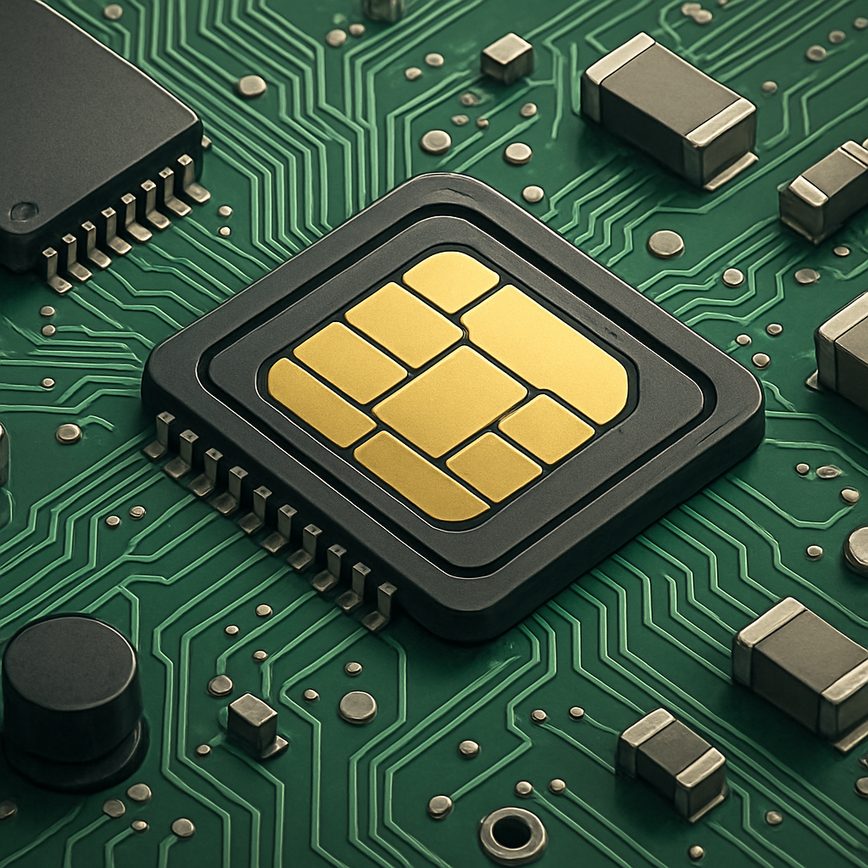
Why more devices integrate embedded SIM
25/05/2026
To protect user data and continuity of service, industry players implement multiple layers of security measures. These include secure key management, encrypted communication channels for profile downloads and updates, and multi-factor authentication for any remote access operations. Additionally, eSIMs leverage hardware-based security elements that are more resistant to tampering compared to traditional SIM cards.
From a privacy perspective, the embedded SIM’s ability to support multiple profiles means users can maintain greater control over their data and network usage. Transparent policies and regulations on data handling, combined with technical safeguards such as secure enclave technologies in devices, help protect personal information from unauthorized exposure.
Overall, while there are inherent security and privacy challenges with embedded SIMs, ongoing advancements in security protocols and vigilant management practices continue to enhance eSIM security, making this technology a reliable choice for modern connectivity.
Market Adoption Barriers
Despite the growing interest in embedded SIM technology, several adoption challenges continue to slow its widespread integration. One of the primary barriers is the limited carrier support. Not all mobile network operators have fully embraced embedded SIMs, which restricts device manufacturers from offering true global connectivity options. This limited carrier backing can deter companies from investing heavily in embedded SIM technology, as their devices may not be compatible with networks in all target markets.
Another critical factor is device compatibility. Embedded SIMs require the hardware and software of devices to be designed specifically to support this technology. Older devices or those built without embedded SIM functionality cannot simply adopt it through a software update, forcing manufacturers to redesign their products. This incompatibility presents a significant hurdle for both manufacturers and consumers, as it limits the pool of devices that can benefit from embedded SIM advantages.
Additionally, the adoption challenges extend to the complexity of managing multiple carriers across different regions, which can complicate the provisioning and activation processes for embedded SIMs. Until carrier support and device compatibility improve significantly, these market barriers will continue to slow the pace of embedded SIM adoption, despite its clear potential benefits in flexibility and connectivity.
Emerging Innovations and Outlook
The future of embedded SIM (eSIM) technology looks promising as ongoing advancements continue to revolutionize the way devices connect and communicate. One key area of innovation is the development of more flexible and powerful eSIM solutions that enable seamless remote provisioning and management of connectivity. These improvements will empower consumers and enterprises alike by simplifying the activation process and reducing dependency on physical SIM cards.
Technology innovation in the eSIM space is accelerating at a rapid pace, with manufacturers integrating eSIM capabilities into a wider range of devices beyond smartphones, including wearables, IoT devices, automotive systems, and smart home products. This broad adoption is driven by the need for more reliable, secure, and efficient connectivity solutions that can adapt to varying user requirements and network conditions.
Connectivity trends indicate that eSIM will play a central role in enabling the next generation of connected devices. With eSIM’s ability to support multiple carrier profiles on a single chip, users can effortlessly switch networks to find the best coverage and pricing, fostering a more competitive and consumer-friendly market. Additionally, the integration of eSIM with emerging technologies such as 5G, edge computing, and artificial intelligence will further enhance device capabilities and user experiences.
Overall, the eSIM future is defined by continuous innovation that not only improves connectivity but also opens new opportunities for businesses and end-users. As embedded SIM technology becomes increasingly sophisticated, it will shape the evolution of smart, connected ecosystems worldwide, driving greater efficiency and convenience in everyday life.

Moreover, removing the physical SIM slot enhances the overall durability of devices. Traditional SIM trays create potential weak points that may allow dust, moisture, and debris to enter, which can compromise device integrity. Embedded SIMs eliminate these vulnerabilities by being securely soldered directly onto the device’s circuit board, contributing to a more sealed and robust construction.
The use of embedded SIMs also benefits manufacturers by simplifying internal layouts, enabling additional room for larger batteries or enhanced components without increasing device size. These improvements lead to durable devices capable of withstanding the rigors of daily usage while maintaining a sleek appearance. Ultimately, the compact design afforded by embedded SIMs supports industry trends toward thinner, tougher, and more reliable electronic products.
Enhanced User Convenience and Flexibility
Embedded SIM (eSIM) technology greatly enhances user convenience by allowing seamless management of multiple network profiles on a single device. Instead of physically swapping SIM cards to switch carriers, users can easily download and activate new carrier profiles digitally. This means switching carriers becomes a quick and effortless process, eliminating the need to visit stores or wait for physical SIM delivery.
With eSIM, users gain multi-network connectivity benefits, enabling them to choose the best available network in different locations or situations. For example, travelers can maintain local carrier profiles to avoid roaming fees while still keeping their home network active for essential communications. This flexibility also supports users who want to manage personal and business numbers on the same device without juggling multiple SIM cards.
Moreover, eSIMs provide an intuitive way to switch carriers whenever needed, accommodating changing user preferences or better offers from service providers. The easy carrier switching capability reduces downtime and enhances the overall mobile experience. By managing multiple profiles seamlessly, users enjoy greater freedom, improved connectivity options, and tailored service plans designed to meet individual needs.
Support for IoT and Connected Devices
Embedded SIMs play a crucial role in the integration of Internet of Things (IoT) devices and the development of large-scale connected ecosystems. Unlike traditional SIM cards, embedded SIMs are soldered directly onto devices, enabling seamless connectivity without the need for physical SIM swapping. This feature is especially important for IoT devices, where size constraints and long-term deployment make traditional SIM cards impractical.
One of the primary benefits of embedded SIMs in IoT integration is the ability to provide remote management of connectivity settings. Service providers can remotely activate, switch, or update subscriptions on embedded SIMs, allowing devices to stay connected across different networks and geographies without human intervention. This flexibility significantly reduces the operational complexities associated with managing a vast number of connected devices.
Furthermore, embedded SIM technology enhances security and reliability for connected devices by embedding secure elements directly into the hardware. This ensures robust protection against tampering and unauthorized access, which is vital in critical IoT applications such as smart cities, connected vehicles, industrial automation, and healthcare.
Overall, embedded SIMs enable a more scalable, flexible, and cost-effective approach to managing the connectivity of IoT devices and large connected ecosystems, supporting the growing demand for efficient remote management and seamless network integration worldwide.
Challenges and Future Trends of Embedded SIM Integration
Embedded SIM (eSIM) technology is reshaping connectivity by enabling seamless profiles and flexible carrier choices. However, despite its rapid adoption, several eSIM challenges remain that slow widespread implementation. One primary limitation is the current lack of universal standards, which affects compatibility between devices, network providers, and regions. This fragmentation complicates the user experience and limits seamless transitions across different services.
Security concerns also pose challenges to eSIM technology. As embedded SIMs store sensitive credentials digitally, robust encryption and secure authentication mechanisms are essential to prevent unauthorized access or profile cloning. Yet, ensuring consistent security across diverse hardware and software ecosystems is complex and still evolving.
From the perspective of technology adoption, device manufacturers face integration hurdles. Embedding eSIM modules requires redesigning hardware to accommodate the smaller form factors, which can increase development costs and extend product timelines. Additionally, consumers and enterprises sometimes encounter confusion in managing eSIM profiles due to limited awareness and inconsistent support from mobile network operators.
Looking ahead, the future trends of embedded SIM integration signal promising advancements that will address many current limitations. Industry stakeholders are collaborating to establish global standards that will harmonize eSIM usage worldwide, fostering interoperability and simplifying activation processes. Furthermore, innovations in remote SIM provisioning will enable more dynamic and user-friendly connectivity experiences tailored to individual needs.
Connectivity evolution is also driven by expanding IoT deployments, where eSIM technology plays a pivotal role. As billions of connected devices require reliable and secure network access, embedded SIMs provide an efficient solution to manage connectivity at scale, particularly across diverse environments and geographies. This evolution will push further adoption in automotive, healthcare, and smart home sectors.
In summary, while eSIM challenges related to security, standards, and adoption currently temper its growth, advancements targeting these areas will unlock significant value. The future of embedded SIM integration lies in seamless, secure, and adaptable connectivity solutions that align with the evolving demands of consumers and industries alike. Embracing these developments will be key to sustaining momentum in the ongoing connectivity evolution.
Security and Privacy Concerns
Embedded SIM technology offers significant convenience and flexibility, but it also raises important eSIM security considerations. Unlike traditional SIM cards that are physical and removable, embedded SIMs are soldered directly into devices, which changes the landscape for data privacy and protection. This permanence can reduce risks related to physical SIM card theft but introduces other vulnerabilities.
One of the primary concerns is SIM hacking risks. Cyber attackers continuously develop sophisticated methods to exploit network authentication protocols or conduct remote SIM swaps to gain unauthorized access. Because embedded SIMs are remotely manageable, attackers could potentially target the remote provisioning systems if they are not properly secured, potentially compromising user data and connectivity. Ensuring robust eSIM security thus requires strong encryption and authentication standards at both the device and network levels.
To protect user data and continuity of service, industry players implement multiple layers of security measures. These include secure key management, encrypted communication channels for profile downloads and updates, and multi-factor authentication for any remote access operations. Additionally, eSIMs leverage hardware-based security elements that are more resistant to tampering compared to traditional SIM cards.
From a privacy perspective, the embedded SIM’s ability to support multiple profiles means users can maintain greater control over their data and network usage. Transparent policies and regulations on data handling, combined with technical safeguards such as secure enclave technologies in devices, help protect personal information from unauthorized exposure.
Overall, while there are inherent security and privacy challenges with embedded SIMs, ongoing advancements in security protocols and vigilant management practices continue to enhance eSIM security, making this technology a reliable choice for modern connectivity.
Market Adoption Barriers
Despite the growing interest in embedded SIM technology, several adoption challenges continue to slow its widespread integration. One of the primary barriers is the limited carrier support. Not all mobile network operators have fully embraced embedded SIMs, which restricts device manufacturers from offering true global connectivity options. This limited carrier backing can deter companies from investing heavily in embedded SIM technology, as their devices may not be compatible with networks in all target markets.
Another critical factor is device compatibility. Embedded SIMs require the hardware and software of devices to be designed specifically to support this technology. Older devices or those built without embedded SIM functionality cannot simply adopt it through a software update, forcing manufacturers to redesign their products. This incompatibility presents a significant hurdle for both manufacturers and consumers, as it limits the pool of devices that can benefit from embedded SIM advantages.
Additionally, the adoption challenges extend to the complexity of managing multiple carriers across different regions, which can complicate the provisioning and activation processes for embedded SIMs. Until carrier support and device compatibility improve significantly, these market barriers will continue to slow the pace of embedded SIM adoption, despite its clear potential benefits in flexibility and connectivity.
Emerging Innovations and Outlook
The future of embedded SIM (eSIM) technology looks promising as ongoing advancements continue to revolutionize the way devices connect and communicate. One key area of innovation is the development of more flexible and powerful eSIM solutions that enable seamless remote provisioning and management of connectivity. These improvements will empower consumers and enterprises alike by simplifying the activation process and reducing dependency on physical SIM cards.
Technology innovation in the eSIM space is accelerating at a rapid pace, with manufacturers integrating eSIM capabilities into a wider range of devices beyond smartphones, including wearables, IoT devices, automotive systems, and smart home products. This broad adoption is driven by the need for more reliable, secure, and efficient connectivity solutions that can adapt to varying user requirements and network conditions.
Connectivity trends indicate that eSIM will play a central role in enabling the next generation of connected devices. With eSIM’s ability to support multiple carrier profiles on a single chip, users can effortlessly switch networks to find the best coverage and pricing, fostering a more competitive and consumer-friendly market. Additionally, the integration of eSIM with emerging technologies such as 5G, edge computing, and artificial intelligence will further enhance device capabilities and user experiences.
Overall, the eSIM future is defined by continuous innovation that not only improves connectivity but also opens new opportunities for businesses and end-users. As embedded SIM technology becomes increasingly sophisticated, it will shape the evolution of smart, connected ecosystems worldwide, driving greater efficiency and convenience in everyday life.
Moreover, removing the physical SIM slot enhances the overall durability of devices. Traditional SIM trays create potential weak points that may allow dust, moisture, and debris to enter, which can compromise device integrity. Embedded SIMs eliminate these vulnerabilities by being securely soldered directly onto the device’s circuit board, contributing to a more sealed and robust construction.
The use of embedded SIMs also benefits manufacturers by simplifying internal layouts, enabling additional room for larger batteries or enhanced components without increasing device size. These improvements lead to durable devices capable of withstanding the rigors of daily usage while maintaining a sleek appearance. Ultimately, the compact design afforded by embedded SIMs supports industry trends toward thinner, tougher, and more reliable electronic products.
Enhanced User Convenience and Flexibility
Embedded SIM (eSIM) technology greatly enhances user convenience by allowing seamless management of multiple network profiles on a single device. Instead of physically swapping SIM cards to switch carriers, users can easily download and activate new carrier profiles digitally. This means switching carriers becomes a quick and effortless process, eliminating the need to visit stores or wait for physical SIM delivery.
With eSIM, users gain multi-network connectivity benefits, enabling them to choose the best available network in different locations or situations. For example, travelers can maintain local carrier profiles to avoid roaming fees while still keeping their home network active for essential communications. This flexibility also supports users who want to manage personal and business numbers on the same device without juggling multiple SIM cards.
Moreover, eSIMs provide an intuitive way to switch carriers whenever needed, accommodating changing user preferences or better offers from service providers. The easy carrier switching capability reduces downtime and enhances the overall mobile experience. By managing multiple profiles seamlessly, users enjoy greater freedom, improved connectivity options, and tailored service plans designed to meet individual needs.
Support for IoT and Connected Devices
Embedded SIMs play a crucial role in the integration of Internet of Things (IoT) devices and the development of large-scale connected ecosystems. Unlike traditional SIM cards, embedded SIMs are soldered directly onto devices, enabling seamless connectivity without the need for physical SIM swapping. This feature is especially important for IoT devices, where size constraints and long-term deployment make traditional SIM cards impractical.
One of the primary benefits of embedded SIMs in IoT integration is the ability to provide remote management of connectivity settings. Service providers can remotely activate, switch, or update subscriptions on embedded SIMs, allowing devices to stay connected across different networks and geographies without human intervention. This flexibility significantly reduces the operational complexities associated with managing a vast number of connected devices.
Furthermore, embedded SIM technology enhances security and reliability for connected devices by embedding secure elements directly into the hardware. This ensures robust protection against tampering and unauthorized access, which is vital in critical IoT applications such as smart cities, connected vehicles, industrial automation, and healthcare.
Overall, embedded SIMs enable a more scalable, flexible, and cost-effective approach to managing the connectivity of IoT devices and large connected ecosystems, supporting the growing demand for efficient remote management and seamless network integration worldwide.
Challenges and Future Trends of Embedded SIM Integration
Embedded SIM (eSIM) technology is reshaping connectivity by enabling seamless profiles and flexible carrier choices. However, despite its rapid adoption, several eSIM challenges remain that slow widespread implementation. One primary limitation is the current lack of universal standards, which affects compatibility between devices, network providers, and regions. This fragmentation complicates the user experience and limits seamless transitions across different services.
Security concerns also pose challenges to eSIM technology. As embedded SIMs store sensitive credentials digitally, robust encryption and secure authentication mechanisms are essential to prevent unauthorized access or profile cloning. Yet, ensuring consistent security across diverse hardware and software ecosystems is complex and still evolving.
From the perspective of technology adoption, device manufacturers face integration hurdles. Embedding eSIM modules requires redesigning hardware to accommodate the smaller form factors, which can increase development costs and extend product timelines. Additionally, consumers and enterprises sometimes encounter confusion in managing eSIM profiles due to limited awareness and inconsistent support from mobile network operators.
Looking ahead, the future trends of embedded SIM integration signal promising advancements that will address many current limitations. Industry stakeholders are collaborating to establish global standards that will harmonize eSIM usage worldwide, fostering interoperability and simplifying activation processes. Furthermore, innovations in remote SIM provisioning will enable more dynamic and user-friendly connectivity experiences tailored to individual needs.
Connectivity evolution is also driven by expanding IoT deployments, where eSIM technology plays a pivotal role. As billions of connected devices require reliable and secure network access, embedded SIMs provide an efficient solution to manage connectivity at scale, particularly across diverse environments and geographies. This evolution will push further adoption in automotive, healthcare, and smart home sectors.
In summary, while eSIM challenges related to security, standards, and adoption currently temper its growth, advancements targeting these areas will unlock significant value. The future of embedded SIM integration lies in seamless, secure, and adaptable connectivity solutions that align with the evolving demands of consumers and industries alike. Embracing these developments will be key to sustaining momentum in the ongoing connectivity evolution.
Security and Privacy Concerns
Embedded SIM technology offers significant convenience and flexibility, but it also raises important eSIM security considerations. Unlike traditional SIM cards that are physical and removable, embedded SIMs are soldered directly into devices, which changes the landscape for data privacy and protection. This permanence can reduce risks related to physical SIM card theft but introduces other vulnerabilities.
One of the primary concerns is SIM hacking risks. Cyber attackers continuously develop sophisticated methods to exploit network authentication protocols or conduct remote SIM swaps to gain unauthorized access. Because embedded SIMs are remotely manageable, attackers could potentially target the remote provisioning systems if they are not properly secured, potentially compromising user data and connectivity. Ensuring robust eSIM security thus requires strong encryption and authentication standards at both the device and network levels.
To protect user data and continuity of service, industry players implement multiple layers of security measures. These include secure key management, encrypted communication channels for profile downloads and updates, and multi-factor authentication for any remote access operations. Additionally, eSIMs leverage hardware-based security elements that are more resistant to tampering compared to traditional SIM cards.
From a privacy perspective, the embedded SIM’s ability to support multiple profiles means users can maintain greater control over their data and network usage. Transparent policies and regulations on data handling, combined with technical safeguards such as secure enclave technologies in devices, help protect personal information from unauthorized exposure.
Overall, while there are inherent security and privacy challenges with embedded SIMs, ongoing advancements in security protocols and vigilant management practices continue to enhance eSIM security, making this technology a reliable choice for modern connectivity.
Market Adoption Barriers
Despite the growing interest in embedded SIM technology, several adoption challenges continue to slow its widespread integration. One of the primary barriers is the limited carrier support. Not all mobile network operators have fully embraced embedded SIMs, which restricts device manufacturers from offering true global connectivity options. This limited carrier backing can deter companies from investing heavily in embedded SIM technology, as their devices may not be compatible with networks in all target markets.
Another critical factor is device compatibility. Embedded SIMs require the hardware and software of devices to be designed specifically to support this technology. Older devices or those built without embedded SIM functionality cannot simply adopt it through a software update, forcing manufacturers to redesign their products. This incompatibility presents a significant hurdle for both manufacturers and consumers, as it limits the pool of devices that can benefit from embedded SIM advantages.
Additionally, the adoption challenges extend to the complexity of managing multiple carriers across different regions, which can complicate the provisioning and activation processes for embedded SIMs. Until carrier support and device compatibility improve significantly, these market barriers will continue to slow the pace of embedded SIM adoption, despite its clear potential benefits in flexibility and connectivity.
Emerging Innovations and Outlook
The future of embedded SIM (eSIM) technology looks promising as ongoing advancements continue to revolutionize the way devices connect and communicate. One key area of innovation is the development of more flexible and powerful eSIM solutions that enable seamless remote provisioning and management of connectivity. These improvements will empower consumers and enterprises alike by simplifying the activation process and reducing dependency on physical SIM cards.
Technology innovation in the eSIM space is accelerating at a rapid pace, with manufacturers integrating eSIM capabilities into a wider range of devices beyond smartphones, including wearables, IoT devices, automotive systems, and smart home products. This broad adoption is driven by the need for more reliable, secure, and efficient connectivity solutions that can adapt to varying user requirements and network conditions.
Connectivity trends indicate that eSIM will play a central role in enabling the next generation of connected devices. With eSIM’s ability to support multiple carrier profiles on a single chip, users can effortlessly switch networks to find the best coverage and pricing, fostering a more competitive and consumer-friendly market. Additionally, the integration of eSIM with emerging technologies such as 5G, edge computing, and artificial intelligence will further enhance device capabilities and user experiences.
Overall, the eSIM future is defined by continuous innovation that not only improves connectivity but also opens new opportunities for businesses and end-users. As embedded SIM technology becomes increasingly sophisticated, it will shape the evolution of smart, connected ecosystems worldwide, driving greater efficiency and convenience in everyday life.
Overview of Embedded SIM Technology
Embedded SIM, commonly known as eSIM technology, represents a significant evolution in mobile connectivity by eliminating the need for traditional physical SIM cards. Unlike conventional SIM cards that are removable and require physical swapping, an embedded SIM is a digital SIM integrated directly into a device’s hardware. This integration allows operators to remotely provision and manage mobile network subscriptions without physical intervention, enabling seamless connectivity and greater flexibility for users and manufacturers alike.
At its core, the embedded SIM is a small chip soldered into the device’s circuit board during manufacturing. This chip complies with global standards set by the GSMA, ensuring interoperability across networks and devices. The eSIM securely stores multiple profiles, each representing different operator credentials, and can switch between these profiles based on user choice or network availability. This is a stark contrast to traditional SIM cards, which are limited to one operator profile and must be manually replaced to switch service providers.
The fundamental technical advantage of eSIM technology lies in its ability to digitally manage subscription data through remote provisioning. Operators can push new profiles, update information, or deactivate services over the air, reducing dependency on physical logistics and enabling instant activation. This method, known as SIM integration, leverages secure protocols to protect user data and ensure the integrity of network connections.
Additionally, embedded SIM facilitates more compact and durable device designs since the physical SIM slot and tray are no longer necessary. This opens up new possibilities for device manufacturers, especially in smaller gadgets such as wearables, IoT devices, and ultra-slim smartphones. The transition to digital SIM usage not only streamlines the user experience but also promotes environmental sustainability by reducing plastic waste and packaging associated with traditional SIM cards.
In summary, embedded SIM technology revolutionizes mobile connectivity by integrating the SIM functionality into devices through digital means. Its key benefits include enhanced flexibility, improved security, streamlined SIM management, and innovative device form factors—all driving the widespread adoption of eSIM in today’s connected world.
What is an Embedded SIM?
An embedded SIM, often referred to as an eSIM, is a digital SIM card that is built directly into a device. Unlike traditional physical SIM cards, which require insertion and removal from a device’s SIM slot, an embedded SIM is permanently embedded into the device’s hardware. This technological innovation allows users to activate cellular plans digitally without needing a physical card, simplifying the process of switching carriers or managing multiple plans.
The embedded SIM definition highlights its fundamental difference from physical SIM cards: eSIMs are rewritable and can be remotely programmed with different operator profiles. This contrasts with physical SIMs, which are tied to a single carrier and must be physically swapped if the user wants to change networks. With eSIMs, the process is streamlined and can be managed over-the-air, enabling a more flexible and efficient mobile experience.
In essence, an eSIM explained means a digital SIM card that resides within your device’s motherboard and offers enhanced connectivity options without the need for a physical card. This shift not only improves convenience but also supports the growing ecosystem of IoT devices, wearables, and modern smartphones that benefit from the compact and adaptable nature of embedded SIM technology.
How Embedded SIM Works
The operation of an embedded SIM (eSIM) revolves around the process of remote SIM provisioning and SIM activation without the need for physical card swapping. Unlike traditional SIM cards, eSIMs are soldered directly into a device’s motherboard, enabling seamless connectivity and easier management of mobile subscriptions.
Remote SIM provisioning is the core technology that allows carriers to securely download the SIM profile to an embedded SIM. This process begins when a user selects a mobile operator or plan through the device interface or a related app. The device sends a request to the carrier’s server, which then remotely provisions the SIM profile onto the embedded chip. This technology eliminates the necessity for manufacturers or users to physically handle SIM cards, providing flexibility in switching networks or plans.
Once the SIM profile is downloaded, the SIM activation process takes place. This activation is done remotely and automatically by the carrier network, verifying the legitimacy of the profile and enabling network access. The process ensures that the device is authenticated and ready to connect to cellular services without user intervention.
By leveraging remote SIM provisioning and automated SIM activation, eSIM operation drastically simplifies device setup and management. This advancement supports IoT devices, smartphones, and wearables, facilitating easier connectivity, reducing physical logistics, and enhancing overall user experience by providing instant mobile service activation anytime and anywhere.
Benefits Driving the Adoption of Embedded SIMs in Devices
The adoption of embedded SIM (eSIM) technology is rapidly increasing in the device manufacturing industry due to a range of compelling benefits that streamline connectivity and enhance user experience. One of the primary advantages of embedded SIMs is the improved flexibility they offer for device integration. Unlike traditional SIM cards, eSIMs are soldered directly onto the device’s motherboard, eliminating the need for a physical SIM card slot. This design innovation enables manufacturers to create slimmer, more compact devices or allocate the saved space to other essential components, ultimately improving device design and performance.
Another significant eSIM benefit is the convenience it provides to users by simplifying the process of switching between mobile carriers. Users no longer need to physically swap SIM cards to change network providers, which means connectivity improvements are realized instantly via software updates and remote provisioning. This capability is particularly advantageous for frequent travelers and business professionals who rely on seamless international roaming without the hassle of managing multiple SIM cards.
Embedded SIM technology also drives enhanced security and reliability. Since eSIMs are integrated directly into the device, they are less prone to damage, loss, or theft compared to traditional removable SIM cards. Additionally, eSIMs support secure remote SIM provisioning, allowing carriers to deliver updates and manage subscriptions over the air with robust encryption standards. These security improvements foster greater trust and adoption among manufacturers and consumers alike.
From a sustainability perspective, eSIMs contribute to reducing electronic waste by minimizing the need for physical SIM cards and their associated packaging. This aligns with the growing demand for eco-friendly technologies in the electronics industry. Furthermore, for manufacturers, the streamlining of supply chains through eSIM integration reduces logistical complexities and manufacturing costs, representing a critical advantage in competitive markets.
In summary, the advantages of embedded SIM technology—ranging from device integration enhancements and user convenience to increased security and sustainability—are key drivers encouraging both manufacturers and users to embrace eSIMs. As connectivity improvements continue to be a critical factor in device innovation, the transition towards embedded SIMs is poised to accelerate, redefining how devices connect and adapt in a hyper-connected world.
Improved Device Design and Durability
Embedded SIM technology plays a crucial role in enabling a compact design for modern devices. By eliminating the need for a physical SIM slot, manufacturers can significantly reduce the space required within the device chassis. This space-saving SIM approach allows for slimmer, more streamlined device profiles that meet consumer demands for portability and elegance.
Moreover, removing the physical SIM slot enhances the overall durability of devices. Traditional SIM trays create potential weak points that may allow dust, moisture, and debris to enter, which can compromise device integrity. Embedded SIMs eliminate these vulnerabilities by being securely soldered directly onto the device’s circuit board, contributing to a more sealed and robust construction.
The use of embedded SIMs also benefits manufacturers by simplifying internal layouts, enabling additional room for larger batteries or enhanced components without increasing device size. These improvements lead to durable devices capable of withstanding the rigors of daily usage while maintaining a sleek appearance. Ultimately, the compact design afforded by embedded SIMs supports industry trends toward thinner, tougher, and more reliable electronic products.
Enhanced User Convenience and Flexibility
Embedded SIM (eSIM) technology greatly enhances user convenience by allowing seamless management of multiple network profiles on a single device. Instead of physically swapping SIM cards to switch carriers, users can easily download and activate new carrier profiles digitally. This means switching carriers becomes a quick and effortless process, eliminating the need to visit stores or wait for physical SIM delivery.
With eSIM, users gain multi-network connectivity benefits, enabling them to choose the best available network in different locations or situations. For example, travelers can maintain local carrier profiles to avoid roaming fees while still keeping their home network active for essential communications. This flexibility also supports users who want to manage personal and business numbers on the same device without juggling multiple SIM cards.
Moreover, eSIMs provide an intuitive way to switch carriers whenever needed, accommodating changing user preferences or better offers from service providers. The easy carrier switching capability reduces downtime and enhances the overall mobile experience. By managing multiple profiles seamlessly, users enjoy greater freedom, improved connectivity options, and tailored service plans designed to meet individual needs.
Support for IoT and Connected Devices
Embedded SIMs play a crucial role in the integration of Internet of Things (IoT) devices and the development of large-scale connected ecosystems. Unlike traditional SIM cards, embedded SIMs are soldered directly onto devices, enabling seamless connectivity without the need for physical SIM swapping. This feature is especially important for IoT devices, where size constraints and long-term deployment make traditional SIM cards impractical.
One of the primary benefits of embedded SIMs in IoT integration is the ability to provide remote management of connectivity settings. Service providers can remotely activate, switch, or update subscriptions on embedded SIMs, allowing devices to stay connected across different networks and geographies without human intervention. This flexibility significantly reduces the operational complexities associated with managing a vast number of connected devices.
Furthermore, embedded SIM technology enhances security and reliability for connected devices by embedding secure elements directly into the hardware. This ensures robust protection against tampering and unauthorized access, which is vital in critical IoT applications such as smart cities, connected vehicles, industrial automation, and healthcare.
Overall, embedded SIMs enable a more scalable, flexible, and cost-effective approach to managing the connectivity of IoT devices and large connected ecosystems, supporting the growing demand for efficient remote management and seamless network integration worldwide.
Challenges and Future Trends of Embedded SIM Integration
Embedded SIM (eSIM) technology is reshaping connectivity by enabling seamless profiles and flexible carrier choices. However, despite its rapid adoption, several eSIM challenges remain that slow widespread implementation. One primary limitation is the current lack of universal standards, which affects compatibility between devices, network providers, and regions. This fragmentation complicates the user experience and limits seamless transitions across different services.
Security concerns also pose challenges to eSIM technology. As embedded SIMs store sensitive credentials digitally, robust encryption and secure authentication mechanisms are essential to prevent unauthorized access or profile cloning. Yet, ensuring consistent security across diverse hardware and software ecosystems is complex and still evolving.
From the perspective of technology adoption, device manufacturers face integration hurdles. Embedding eSIM modules requires redesigning hardware to accommodate the smaller form factors, which can increase development costs and extend product timelines. Additionally, consumers and enterprises sometimes encounter confusion in managing eSIM profiles due to limited awareness and inconsistent support from mobile network operators.
Looking ahead, the future trends of embedded SIM integration signal promising advancements that will address many current limitations. Industry stakeholders are collaborating to establish global standards that will harmonize eSIM usage worldwide, fostering interoperability and simplifying activation processes. Furthermore, innovations in remote SIM provisioning will enable more dynamic and user-friendly connectivity experiences tailored to individual needs.
Connectivity evolution is also driven by expanding IoT deployments, where eSIM technology plays a pivotal role. As billions of connected devices require reliable and secure network access, embedded SIMs provide an efficient solution to manage connectivity at scale, particularly across diverse environments and geographies. This evolution will push further adoption in automotive, healthcare, and smart home sectors.
In summary, while eSIM challenges related to security, standards, and adoption currently temper its growth, advancements targeting these areas will unlock significant value. The future of embedded SIM integration lies in seamless, secure, and adaptable connectivity solutions that align with the evolving demands of consumers and industries alike. Embracing these developments will be key to sustaining momentum in the ongoing connectivity evolution.
Security and Privacy Concerns
Embedded SIM technology offers significant convenience and flexibility, but it also raises important eSIM security considerations. Unlike traditional SIM cards that are physical and removable, embedded SIMs are soldered directly into devices, which changes the landscape for data privacy and protection. This permanence can reduce risks related to physical SIM card theft but introduces other vulnerabilities.
One of the primary concerns is SIM hacking risks. Cyber attackers continuously develop sophisticated methods to exploit network authentication protocols or conduct remote SIM swaps to gain unauthorized access. Because embedded SIMs are remotely manageable, attackers could potentially target the remote provisioning systems if they are not properly secured, potentially compromising user data and connectivity. Ensuring robust eSIM security thus requires strong encryption and authentication standards at both the device and network levels.
To protect user data and continuity of service, industry players implement multiple layers of security measures. These include secure key management, encrypted communication channels for profile downloads and updates, and multi-factor authentication for any remote access operations. Additionally, eSIMs leverage hardware-based security elements that are more resistant to tampering compared to traditional SIM cards.
From a privacy perspective, the embedded SIM’s ability to support multiple profiles means users can maintain greater control over their data and network usage. Transparent policies and regulations on data handling, combined with technical safeguards such as secure enclave technologies in devices, help protect personal information from unauthorized exposure.
Overall, while there are inherent security and privacy challenges with embedded SIMs, ongoing advancements in security protocols and vigilant management practices continue to enhance eSIM security, making this technology a reliable choice for modern connectivity.
Market Adoption Barriers
Despite the growing interest in embedded SIM technology, several adoption challenges continue to slow its widespread integration. One of the primary barriers is the limited carrier support. Not all mobile network operators have fully embraced embedded SIMs, which restricts device manufacturers from offering true global connectivity options. This limited carrier backing can deter companies from investing heavily in embedded SIM technology, as their devices may not be compatible with networks in all target markets.
Another critical factor is device compatibility. Embedded SIMs require the hardware and software of devices to be designed specifically to support this technology. Older devices or those built without embedded SIM functionality cannot simply adopt it through a software update, forcing manufacturers to redesign their products. This incompatibility presents a significant hurdle for both manufacturers and consumers, as it limits the pool of devices that can benefit from embedded SIM advantages.
Additionally, the adoption challenges extend to the complexity of managing multiple carriers across different regions, which can complicate the provisioning and activation processes for embedded SIMs. Until carrier support and device compatibility improve significantly, these market barriers will continue to slow the pace of embedded SIM adoption, despite its clear potential benefits in flexibility and connectivity.
Emerging Innovations and Outlook
The future of embedded SIM (eSIM) technology looks promising as ongoing advancements continue to revolutionize the way devices connect and communicate. One key area of innovation is the development of more flexible and powerful eSIM solutions that enable seamless remote provisioning and management of connectivity. These improvements will empower consumers and enterprises alike by simplifying the activation process and reducing dependency on physical SIM cards.
Technology innovation in the eSIM space is accelerating at a rapid pace, with manufacturers integrating eSIM capabilities into a wider range of devices beyond smartphones, including wearables, IoT devices, automotive systems, and smart home products. This broad adoption is driven by the need for more reliable, secure, and efficient connectivity solutions that can adapt to varying user requirements and network conditions.
Connectivity trends indicate that eSIM will play a central role in enabling the next generation of connected devices. With eSIM’s ability to support multiple carrier profiles on a single chip, users can effortlessly switch networks to find the best coverage and pricing, fostering a more competitive and consumer-friendly market. Additionally, the integration of eSIM with emerging technologies such as 5G, edge computing, and artificial intelligence will further enhance device capabilities and user experiences.
Overall, the eSIM future is defined by continuous innovation that not only improves connectivity but also opens new opportunities for businesses and end-users. As embedded SIM technology becomes increasingly sophisticated, it will shape the evolution of smart, connected ecosystems worldwide, driving greater efficiency and convenience in everyday life.
Moreover, removing the physical SIM slot enhances the overall durability of devices. Traditional SIM trays create potential weak points that may allow dust, moisture, and debris to enter, which can compromise device integrity. Embedded SIMs eliminate these vulnerabilities by being securely soldered directly onto the device’s circuit board, contributing to a more sealed and robust construction.
The use of embedded SIMs also benefits manufacturers by simplifying internal layouts, enabling additional room for larger batteries or enhanced components without increasing device size. These improvements lead to durable devices capable of withstanding the rigors of daily usage while maintaining a sleek appearance. Ultimately, the compact design afforded by embedded SIMs supports industry trends toward thinner, tougher, and more reliable electronic products.
Enhanced User Convenience and Flexibility
Embedded SIM (eSIM) technology greatly enhances user convenience by allowing seamless management of multiple network profiles on a single device. Instead of physically swapping SIM cards to switch carriers, users can easily download and activate new carrier profiles digitally. This means switching carriers becomes a quick and effortless process, eliminating the need to visit stores or wait for physical SIM delivery.
With eSIM, users gain multi-network connectivity benefits, enabling them to choose the best available network in different locations or situations. For example, travelers can maintain local carrier profiles to avoid roaming fees while still keeping their home network active for essential communications. This flexibility also supports users who want to manage personal and business numbers on the same device without juggling multiple SIM cards.
Moreover, eSIMs provide an intuitive way to switch carriers whenever needed, accommodating changing user preferences or better offers from service providers. The easy carrier switching capability reduces downtime and enhances the overall mobile experience. By managing multiple profiles seamlessly, users enjoy greater freedom, improved connectivity options, and tailored service plans designed to meet individual needs.
Support for IoT and Connected Devices
Embedded SIMs play a crucial role in the integration of Internet of Things (IoT) devices and the development of large-scale connected ecosystems. Unlike traditional SIM cards, embedded SIMs are soldered directly onto devices, enabling seamless connectivity without the need for physical SIM swapping. This feature is especially important for IoT devices, where size constraints and long-term deployment make traditional SIM cards impractical.
One of the primary benefits of embedded SIMs in IoT integration is the ability to provide remote management of connectivity settings. Service providers can remotely activate, switch, or update subscriptions on embedded SIMs, allowing devices to stay connected across different networks and geographies without human intervention. This flexibility significantly reduces the operational complexities associated with managing a vast number of connected devices.
Furthermore, embedded SIM technology enhances security and reliability for connected devices by embedding secure elements directly into the hardware. This ensures robust protection against tampering and unauthorized access, which is vital in critical IoT applications such as smart cities, connected vehicles, industrial automation, and healthcare.
Overall, embedded SIMs enable a more scalable, flexible, and cost-effective approach to managing the connectivity of IoT devices and large connected ecosystems, supporting the growing demand for efficient remote management and seamless network integration worldwide.
Challenges and Future Trends of Embedded SIM Integration
Embedded SIM (eSIM) technology is reshaping connectivity by enabling seamless profiles and flexible carrier choices. However, despite its rapid adoption, several eSIM challenges remain that slow widespread implementation. One primary limitation is the current lack of universal standards, which affects compatibility between devices, network providers, and regions. This fragmentation complicates the user experience and limits seamless transitions across different services.
Security concerns also pose challenges to eSIM technology. As embedded SIMs store sensitive credentials digitally, robust encryption and secure authentication mechanisms are essential to prevent unauthorized access or profile cloning. Yet, ensuring consistent security across diverse hardware and software ecosystems is complex and still evolving.
From the perspective of technology adoption, device manufacturers face integration hurdles. Embedding eSIM modules requires redesigning hardware to accommodate the smaller form factors, which can increase development costs and extend product timelines. Additionally, consumers and enterprises sometimes encounter confusion in managing eSIM profiles due to limited awareness and inconsistent support from mobile network operators.
Looking ahead, the future trends of embedded SIM integration signal promising advancements that will address many current limitations. Industry stakeholders are collaborating to establish global standards that will harmonize eSIM usage worldwide, fostering interoperability and simplifying activation processes. Furthermore, innovations in remote SIM provisioning will enable more dynamic and user-friendly connectivity experiences tailored to individual needs.
Connectivity evolution is also driven by expanding IoT deployments, where eSIM technology plays a pivotal role. As billions of connected devices require reliable and secure network access, embedded SIMs provide an efficient solution to manage connectivity at scale, particularly across diverse environments and geographies. This evolution will push further adoption in automotive, healthcare, and smart home sectors.
In summary, while eSIM challenges related to security, standards, and adoption currently temper its growth, advancements targeting these areas will unlock significant value. The future of embedded SIM integration lies in seamless, secure, and adaptable connectivity solutions that align with the evolving demands of consumers and industries alike. Embracing these developments will be key to sustaining momentum in the ongoing connectivity evolution.
Security and Privacy Concerns
Embedded SIM technology offers significant convenience and flexibility, but it also raises important eSIM security considerations. Unlike traditional SIM cards that are physical and removable, embedded SIMs are soldered directly into devices, which changes the landscape for data privacy and protection. This permanence can reduce risks related to physical SIM card theft but introduces other vulnerabilities.
One of the primary concerns is SIM hacking risks. Cyber attackers continuously develop sophisticated methods to exploit network authentication protocols or conduct remote SIM swaps to gain unauthorized access. Because embedded SIMs are remotely manageable, attackers could potentially target the remote provisioning systems if they are not properly secured, potentially compromising user data and connectivity. Ensuring robust eSIM security thus requires strong encryption and authentication standards at both the device and network levels.
To protect user data and continuity of service, industry players implement multiple layers of security measures. These include secure key management, encrypted communication channels for profile downloads and updates, and multi-factor authentication for any remote access operations. Additionally, eSIMs leverage hardware-based security elements that are more resistant to tampering compared to traditional SIM cards.
From a privacy perspective, the embedded SIM’s ability to support multiple profiles means users can maintain greater control over their data and network usage. Transparent policies and regulations on data handling, combined with technical safeguards such as secure enclave technologies in devices, help protect personal information from unauthorized exposure.
Overall, while there are inherent security and privacy challenges with embedded SIMs, ongoing advancements in security protocols and vigilant management practices continue to enhance eSIM security, making this technology a reliable choice for modern connectivity.
Market Adoption Barriers
Despite the growing interest in embedded SIM technology, several adoption challenges continue to slow its widespread integration. One of the primary barriers is the limited carrier support. Not all mobile network operators have fully embraced embedded SIMs, which restricts device manufacturers from offering true global connectivity options. This limited carrier backing can deter companies from investing heavily in embedded SIM technology, as their devices may not be compatible with networks in all target markets.
Another critical factor is device compatibility. Embedded SIMs require the hardware and software of devices to be designed specifically to support this technology. Older devices or those built without embedded SIM functionality cannot simply adopt it through a software update, forcing manufacturers to redesign their products. This incompatibility presents a significant hurdle for both manufacturers and consumers, as it limits the pool of devices that can benefit from embedded SIM advantages.
Additionally, the adoption challenges extend to the complexity of managing multiple carriers across different regions, which can complicate the provisioning and activation processes for embedded SIMs. Until carrier support and device compatibility improve significantly, these market barriers will continue to slow the pace of embedded SIM adoption, despite its clear potential benefits in flexibility and connectivity.
Emerging Innovations and Outlook
The future of embedded SIM (eSIM) technology looks promising as ongoing advancements continue to revolutionize the way devices connect and communicate. One key area of innovation is the development of more flexible and powerful eSIM solutions that enable seamless remote provisioning and management of connectivity. These improvements will empower consumers and enterprises alike by simplifying the activation process and reducing dependency on physical SIM cards.
Technology innovation in the eSIM space is accelerating at a rapid pace, with manufacturers integrating eSIM capabilities into a wider range of devices beyond smartphones, including wearables, IoT devices, automotive systems, and smart home products. This broad adoption is driven by the need for more reliable, secure, and efficient connectivity solutions that can adapt to varying user requirements and network conditions.
Connectivity trends indicate that eSIM will play a central role in enabling the next generation of connected devices. With eSIM’s ability to support multiple carrier profiles on a single chip, users can effortlessly switch networks to find the best coverage and pricing, fostering a more competitive and consumer-friendly market. Additionally, the integration of eSIM with emerging technologies such as 5G, edge computing, and artificial intelligence will further enhance device capabilities and user experiences.
Overall, the eSIM future is defined by continuous innovation that not only improves connectivity but also opens new opportunities for businesses and end-users. As embedded SIM technology becomes increasingly sophisticated, it will shape the evolution of smart, connected ecosystems worldwide, driving greater efficiency and convenience in everyday life.
Overview of Embedded SIM Technology
Embedded SIM, commonly known as eSIM technology, represents a significant evolution in mobile connectivity by eliminating the need for traditional physical SIM cards. Unlike conventional SIM cards that are removable and require physical swapping, an embedded SIM is a digital SIM integrated directly into a device’s hardware. This integration allows operators to remotely provision and manage mobile network subscriptions without physical intervention, enabling seamless connectivity and greater flexibility for users and manufacturers alike.
At its core, the embedded SIM is a small chip soldered into the device’s circuit board during manufacturing. This chip complies with global standards set by the GSMA, ensuring interoperability across networks and devices. The eSIM securely stores multiple profiles, each representing different operator credentials, and can switch between these profiles based on user choice or network availability. This is a stark contrast to traditional SIM cards, which are limited to one operator profile and must be manually replaced to switch service providers.
The fundamental technical advantage of eSIM technology lies in its ability to digitally manage subscription data through remote provisioning. Operators can push new profiles, update information, or deactivate services over the air, reducing dependency on physical logistics and enabling instant activation. This method, known as SIM integration, leverages secure protocols to protect user data and ensure the integrity of network connections.
Additionally, embedded SIM facilitates more compact and durable device designs since the physical SIM slot and tray are no longer necessary. This opens up new possibilities for device manufacturers, especially in smaller gadgets such as wearables, IoT devices, and ultra-slim smartphones. The transition to digital SIM usage not only streamlines the user experience but also promotes environmental sustainability by reducing plastic waste and packaging associated with traditional SIM cards.
In summary, embedded SIM technology revolutionizes mobile connectivity by integrating the SIM functionality into devices through digital means. Its key benefits include enhanced flexibility, improved security, streamlined SIM management, and innovative device form factors—all driving the widespread adoption of eSIM in today’s connected world.
What is an Embedded SIM?
An embedded SIM, often referred to as an eSIM, is a digital SIM card that is built directly into a device. Unlike traditional physical SIM cards, which require insertion and removal from a device’s SIM slot, an embedded SIM is permanently embedded into the device’s hardware. This technological innovation allows users to activate cellular plans digitally without needing a physical card, simplifying the process of switching carriers or managing multiple plans.
The embedded SIM definition highlights its fundamental difference from physical SIM cards: eSIMs are rewritable and can be remotely programmed with different operator profiles. This contrasts with physical SIMs, which are tied to a single carrier and must be physically swapped if the user wants to change networks. With eSIMs, the process is streamlined and can be managed over-the-air, enabling a more flexible and efficient mobile experience.
In essence, an eSIM explained means a digital SIM card that resides within your device’s motherboard and offers enhanced connectivity options without the need for a physical card. This shift not only improves convenience but also supports the growing ecosystem of IoT devices, wearables, and modern smartphones that benefit from the compact and adaptable nature of embedded SIM technology.
How Embedded SIM Works
The operation of an embedded SIM (eSIM) revolves around the process of remote SIM provisioning and SIM activation without the need for physical card swapping. Unlike traditional SIM cards, eSIMs are soldered directly into a device’s motherboard, enabling seamless connectivity and easier management of mobile subscriptions.
Remote SIM provisioning is the core technology that allows carriers to securely download the SIM profile to an embedded SIM. This process begins when a user selects a mobile operator or plan through the device interface or a related app. The device sends a request to the carrier’s server, which then remotely provisions the SIM profile onto the embedded chip. This technology eliminates the necessity for manufacturers or users to physically handle SIM cards, providing flexibility in switching networks or plans.
Once the SIM profile is downloaded, the SIM activation process takes place. This activation is done remotely and automatically by the carrier network, verifying the legitimacy of the profile and enabling network access. The process ensures that the device is authenticated and ready to connect to cellular services without user intervention.
By leveraging remote SIM provisioning and automated SIM activation, eSIM operation drastically simplifies device setup and management. This advancement supports IoT devices, smartphones, and wearables, facilitating easier connectivity, reducing physical logistics, and enhancing overall user experience by providing instant mobile service activation anytime and anywhere.
Benefits Driving the Adoption of Embedded SIMs in Devices
The adoption of embedded SIM (eSIM) technology is rapidly increasing in the device manufacturing industry due to a range of compelling benefits that streamline connectivity and enhance user experience. One of the primary advantages of embedded SIMs is the improved flexibility they offer for device integration. Unlike traditional SIM cards, eSIMs are soldered directly onto the device’s motherboard, eliminating the need for a physical SIM card slot. This design innovation enables manufacturers to create slimmer, more compact devices or allocate the saved space to other essential components, ultimately improving device design and performance.
Another significant eSIM benefit is the convenience it provides to users by simplifying the process of switching between mobile carriers. Users no longer need to physically swap SIM cards to change network providers, which means connectivity improvements are realized instantly via software updates and remote provisioning. This capability is particularly advantageous for frequent travelers and business professionals who rely on seamless international roaming without the hassle of managing multiple SIM cards.
Embedded SIM technology also drives enhanced security and reliability. Since eSIMs are integrated directly into the device, they are less prone to damage, loss, or theft compared to traditional removable SIM cards. Additionally, eSIMs support secure remote SIM provisioning, allowing carriers to deliver updates and manage subscriptions over the air with robust encryption standards. These security improvements foster greater trust and adoption among manufacturers and consumers alike.
From a sustainability perspective, eSIMs contribute to reducing electronic waste by minimizing the need for physical SIM cards and their associated packaging. This aligns with the growing demand for eco-friendly technologies in the electronics industry. Furthermore, for manufacturers, the streamlining of supply chains through eSIM integration reduces logistical complexities and manufacturing costs, representing a critical advantage in competitive markets.
In summary, the advantages of embedded SIM technology—ranging from device integration enhancements and user convenience to increased security and sustainability—are key drivers encouraging both manufacturers and users to embrace eSIMs. As connectivity improvements continue to be a critical factor in device innovation, the transition towards embedded SIMs is poised to accelerate, redefining how devices connect and adapt in a hyper-connected world.
Improved Device Design and Durability
Embedded SIM technology plays a crucial role in enabling a compact design for modern devices. By eliminating the need for a physical SIM slot, manufacturers can significantly reduce the space required within the device chassis. This space-saving SIM approach allows for slimmer, more streamlined device profiles that meet consumer demands for portability and elegance.
Moreover, removing the physical SIM slot enhances the overall durability of devices. Traditional SIM trays create potential weak points that may allow dust, moisture, and debris to enter, which can compromise device integrity. Embedded SIMs eliminate these vulnerabilities by being securely soldered directly onto the device’s circuit board, contributing to a more sealed and robust construction.
The use of embedded SIMs also benefits manufacturers by simplifying internal layouts, enabling additional room for larger batteries or enhanced components without increasing device size. These improvements lead to durable devices capable of withstanding the rigors of daily usage while maintaining a sleek appearance. Ultimately, the compact design afforded by embedded SIMs supports industry trends toward thinner, tougher, and more reliable electronic products.
Enhanced User Convenience and Flexibility
Embedded SIM (eSIM) technology greatly enhances user convenience by allowing seamless management of multiple network profiles on a single device. Instead of physically swapping SIM cards to switch carriers, users can easily download and activate new carrier profiles digitally. This means switching carriers becomes a quick and effortless process, eliminating the need to visit stores or wait for physical SIM delivery.
With eSIM, users gain multi-network connectivity benefits, enabling them to choose the best available network in different locations or situations. For example, travelers can maintain local carrier profiles to avoid roaming fees while still keeping their home network active for essential communications. This flexibility also supports users who want to manage personal and business numbers on the same device without juggling multiple SIM cards.
Moreover, eSIMs provide an intuitive way to switch carriers whenever needed, accommodating changing user preferences or better offers from service providers. The easy carrier switching capability reduces downtime and enhances the overall mobile experience. By managing multiple profiles seamlessly, users enjoy greater freedom, improved connectivity options, and tailored service plans designed to meet individual needs.
Support for IoT and Connected Devices
Embedded SIMs play a crucial role in the integration of Internet of Things (IoT) devices and the development of large-scale connected ecosystems. Unlike traditional SIM cards, embedded SIMs are soldered directly onto devices, enabling seamless connectivity without the need for physical SIM swapping. This feature is especially important for IoT devices, where size constraints and long-term deployment make traditional SIM cards impractical.
One of the primary benefits of embedded SIMs in IoT integration is the ability to provide remote management of connectivity settings. Service providers can remotely activate, switch, or update subscriptions on embedded SIMs, allowing devices to stay connected across different networks and geographies without human intervention. This flexibility significantly reduces the operational complexities associated with managing a vast number of connected devices.
Furthermore, embedded SIM technology enhances security and reliability for connected devices by embedding secure elements directly into the hardware. This ensures robust protection against tampering and unauthorized access, which is vital in critical IoT applications such as smart cities, connected vehicles, industrial automation, and healthcare.
Overall, embedded SIMs enable a more scalable, flexible, and cost-effective approach to managing the connectivity of IoT devices and large connected ecosystems, supporting the growing demand for efficient remote management and seamless network integration worldwide.
Challenges and Future Trends of Embedded SIM Integration
Embedded SIM (eSIM) technology is reshaping connectivity by enabling seamless profiles and flexible carrier choices. However, despite its rapid adoption, several eSIM challenges remain that slow widespread implementation. One primary limitation is the current lack of universal standards, which affects compatibility between devices, network providers, and regions. This fragmentation complicates the user experience and limits seamless transitions across different services.
Security concerns also pose challenges to eSIM technology. As embedded SIMs store sensitive credentials digitally, robust encryption and secure authentication mechanisms are essential to prevent unauthorized access or profile cloning. Yet, ensuring consistent security across diverse hardware and software ecosystems is complex and still evolving.
From the perspective of technology adoption, device manufacturers face integration hurdles. Embedding eSIM modules requires redesigning hardware to accommodate the smaller form factors, which can increase development costs and extend product timelines. Additionally, consumers and enterprises sometimes encounter confusion in managing eSIM profiles due to limited awareness and inconsistent support from mobile network operators.
Looking ahead, the future trends of embedded SIM integration signal promising advancements that will address many current limitations. Industry stakeholders are collaborating to establish global standards that will harmonize eSIM usage worldwide, fostering interoperability and simplifying activation processes. Furthermore, innovations in remote SIM provisioning will enable more dynamic and user-friendly connectivity experiences tailored to individual needs.
Connectivity evolution is also driven by expanding IoT deployments, where eSIM technology plays a pivotal role. As billions of connected devices require reliable and secure network access, embedded SIMs provide an efficient solution to manage connectivity at scale, particularly across diverse environments and geographies. This evolution will push further adoption in automotive, healthcare, and smart home sectors.
In summary, while eSIM challenges related to security, standards, and adoption currently temper its growth, advancements targeting these areas will unlock significant value. The future of embedded SIM integration lies in seamless, secure, and adaptable connectivity solutions that align with the evolving demands of consumers and industries alike. Embracing these developments will be key to sustaining momentum in the ongoing connectivity evolution.
Security and Privacy Concerns
Embedded SIM technology offers significant convenience and flexibility, but it also raises important eSIM security considerations. Unlike traditional SIM cards that are physical and removable, embedded SIMs are soldered directly into devices, which changes the landscape for data privacy and protection. This permanence can reduce risks related to physical SIM card theft but introduces other vulnerabilities.
One of the primary concerns is SIM hacking risks. Cyber attackers continuously develop sophisticated methods to exploit network authentication protocols or conduct remote SIM swaps to gain unauthorized access. Because embedded SIMs are remotely manageable, attackers could potentially target the remote provisioning systems if they are not properly secured, potentially compromising user data and connectivity. Ensuring robust eSIM security thus requires strong encryption and authentication standards at both the device and network levels.
To protect user data and continuity of service, industry players implement multiple layers of security measures. These include secure key management, encrypted communication channels for profile downloads and updates, and multi-factor authentication for any remote access operations. Additionally, eSIMs leverage hardware-based security elements that are more resistant to tampering compared to traditional SIM cards.
From a privacy perspective, the embedded SIM’s ability to support multiple profiles means users can maintain greater control over their data and network usage. Transparent policies and regulations on data handling, combined with technical safeguards such as secure enclave technologies in devices, help protect personal information from unauthorized exposure.
Overall, while there are inherent security and privacy challenges with embedded SIMs, ongoing advancements in security protocols and vigilant management practices continue to enhance eSIM security, making this technology a reliable choice for modern connectivity.
Market Adoption Barriers
Despite the growing interest in embedded SIM technology, several adoption challenges continue to slow its widespread integration. One of the primary barriers is the limited carrier support. Not all mobile network operators have fully embraced embedded SIMs, which restricts device manufacturers from offering true global connectivity options. This limited carrier backing can deter companies from investing heavily in embedded SIM technology, as their devices may not be compatible with networks in all target markets.
Another critical factor is device compatibility. Embedded SIMs require the hardware and software of devices to be designed specifically to support this technology. Older devices or those built without embedded SIM functionality cannot simply adopt it through a software update, forcing manufacturers to redesign their products. This incompatibility presents a significant hurdle for both manufacturers and consumers, as it limits the pool of devices that can benefit from embedded SIM advantages.
Additionally, the adoption challenges extend to the complexity of managing multiple carriers across different regions, which can complicate the provisioning and activation processes for embedded SIMs. Until carrier support and device compatibility improve significantly, these market barriers will continue to slow the pace of embedded SIM adoption, despite its clear potential benefits in flexibility and connectivity.
Emerging Innovations and Outlook
The future of embedded SIM (eSIM) technology looks promising as ongoing advancements continue to revolutionize the way devices connect and communicate. One key area of innovation is the development of more flexible and powerful eSIM solutions that enable seamless remote provisioning and management of connectivity. These improvements will empower consumers and enterprises alike by simplifying the activation process and reducing dependency on physical SIM cards.
Technology innovation in the eSIM space is accelerating at a rapid pace, with manufacturers integrating eSIM capabilities into a wider range of devices beyond smartphones, including wearables, IoT devices, automotive systems, and smart home products. This broad adoption is driven by the need for more reliable, secure, and efficient connectivity solutions that can adapt to varying user requirements and network conditions.
Connectivity trends indicate that eSIM will play a central role in enabling the next generation of connected devices. With eSIM’s ability to support multiple carrier profiles on a single chip, users can effortlessly switch networks to find the best coverage and pricing, fostering a more competitive and consumer-friendly market. Additionally, the integration of eSIM with emerging technologies such as 5G, edge computing, and artificial intelligence will further enhance device capabilities and user experiences.
Overall, the eSIM future is defined by continuous innovation that not only improves connectivity but also opens new opportunities for businesses and end-users. As embedded SIM technology becomes increasingly sophisticated, it will shape the evolution of smart, connected ecosystems worldwide, driving greater efficiency and convenience in everyday life.
Moreover, removing the physical SIM slot enhances the overall durability of devices. Traditional SIM trays create potential weak points that may allow dust, moisture, and debris to enter, which can compromise device integrity. Embedded SIMs eliminate these vulnerabilities by being securely soldered directly onto the device’s circuit board, contributing to a more sealed and robust construction.
The use of embedded SIMs also benefits manufacturers by simplifying internal layouts, enabling additional room for larger batteries or enhanced components without increasing device size. These improvements lead to durable devices capable of withstanding the rigors of daily usage while maintaining a sleek appearance. Ultimately, the compact design afforded by embedded SIMs supports industry trends toward thinner, tougher, and more reliable electronic products.
Enhanced User Convenience and Flexibility
Embedded SIM (eSIM) technology greatly enhances user convenience by allowing seamless management of multiple network profiles on a single device. Instead of physically swapping SIM cards to switch carriers, users can easily download and activate new carrier profiles digitally. This means switching carriers becomes a quick and effortless process, eliminating the need to visit stores or wait for physical SIM delivery.
With eSIM, users gain multi-network connectivity benefits, enabling them to choose the best available network in different locations or situations. For example, travelers can maintain local carrier profiles to avoid roaming fees while still keeping their home network active for essential communications. This flexibility also supports users who want to manage personal and business numbers on the same device without juggling multiple SIM cards.
Moreover, eSIMs provide an intuitive way to switch carriers whenever needed, accommodating changing user preferences or better offers from service providers. The easy carrier switching capability reduces downtime and enhances the overall mobile experience. By managing multiple profiles seamlessly, users enjoy greater freedom, improved connectivity options, and tailored service plans designed to meet individual needs.
Support for IoT and Connected Devices
Embedded SIMs play a crucial role in the integration of Internet of Things (IoT) devices and the development of large-scale connected ecosystems. Unlike traditional SIM cards, embedded SIMs are soldered directly onto devices, enabling seamless connectivity without the need for physical SIM swapping. This feature is especially important for IoT devices, where size constraints and long-term deployment make traditional SIM cards impractical.
One of the primary benefits of embedded SIMs in IoT integration is the ability to provide remote management of connectivity settings. Service providers can remotely activate, switch, or update subscriptions on embedded SIMs, allowing devices to stay connected across different networks and geographies without human intervention. This flexibility significantly reduces the operational complexities associated with managing a vast number of connected devices.
Furthermore, embedded SIM technology enhances security and reliability for connected devices by embedding secure elements directly into the hardware. This ensures robust protection against tampering and unauthorized access, which is vital in critical IoT applications such as smart cities, connected vehicles, industrial automation, and healthcare.
Overall, embedded SIMs enable a more scalable, flexible, and cost-effective approach to managing the connectivity of IoT devices and large connected ecosystems, supporting the growing demand for efficient remote management and seamless network integration worldwide.
Challenges and Future Trends of Embedded SIM Integration
Embedded SIM (eSIM) technology is reshaping connectivity by enabling seamless profiles and flexible carrier choices. However, despite its rapid adoption, several eSIM challenges remain that slow widespread implementation. One primary limitation is the current lack of universal standards, which affects compatibility between devices, network providers, and regions. This fragmentation complicates the user experience and limits seamless transitions across different services.
Security concerns also pose challenges to eSIM technology. As embedded SIMs store sensitive credentials digitally, robust encryption and secure authentication mechanisms are essential to prevent unauthorized access or profile cloning. Yet, ensuring consistent security across diverse hardware and software ecosystems is complex and still evolving.
From the perspective of technology adoption, device manufacturers face integration hurdles. Embedding eSIM modules requires redesigning hardware to accommodate the smaller form factors, which can increase development costs and extend product timelines. Additionally, consumers and enterprises sometimes encounter confusion in managing eSIM profiles due to limited awareness and inconsistent support from mobile network operators.
Looking ahead, the future trends of embedded SIM integration signal promising advancements that will address many current limitations. Industry stakeholders are collaborating to establish global standards that will harmonize eSIM usage worldwide, fostering interoperability and simplifying activation processes. Furthermore, innovations in remote SIM provisioning will enable more dynamic and user-friendly connectivity experiences tailored to individual needs.
Connectivity evolution is also driven by expanding IoT deployments, where eSIM technology plays a pivotal role. As billions of connected devices require reliable and secure network access, embedded SIMs provide an efficient solution to manage connectivity at scale, particularly across diverse environments and geographies. This evolution will push further adoption in automotive, healthcare, and smart home sectors.
In summary, while eSIM challenges related to security, standards, and adoption currently temper its growth, advancements targeting these areas will unlock significant value. The future of embedded SIM integration lies in seamless, secure, and adaptable connectivity solutions that align with the evolving demands of consumers and industries alike. Embracing these developments will be key to sustaining momentum in the ongoing connectivity evolution.
Security and Privacy Concerns
Embedded SIM technology offers significant convenience and flexibility, but it also raises important eSIM security considerations. Unlike traditional SIM cards that are physical and removable, embedded SIMs are soldered directly into devices, which changes the landscape for data privacy and protection. This permanence can reduce risks related to physical SIM card theft but introduces other vulnerabilities.
One of the primary concerns is SIM hacking risks. Cyber attackers continuously develop sophisticated methods to exploit network authentication protocols or conduct remote SIM swaps to gain unauthorized access. Because embedded SIMs are remotely manageable, attackers could potentially target the remote provisioning systems if they are not properly secured, potentially compromising user data and connectivity. Ensuring robust eSIM security thus requires strong encryption and authentication standards at both the device and network levels.
To protect user data and continuity of service, industry players implement multiple layers of security measures. These include secure key management, encrypted communication channels for profile downloads and updates, and multi-factor authentication for any remote access operations. Additionally, eSIMs leverage hardware-based security elements that are more resistant to tampering compared to traditional SIM cards.
From a privacy perspective, the embedded SIM’s ability to support multiple profiles means users can maintain greater control over their data and network usage. Transparent policies and regulations on data handling, combined with technical safeguards such as secure enclave technologies in devices, help protect personal information from unauthorized exposure.
Overall, while there are inherent security and privacy challenges with embedded SIMs, ongoing advancements in security protocols and vigilant management practices continue to enhance eSIM security, making this technology a reliable choice for modern connectivity.
Market Adoption Barriers
Despite the growing interest in embedded SIM technology, several adoption challenges continue to slow its widespread integration. One of the primary barriers is the limited carrier support. Not all mobile network operators have fully embraced embedded SIMs, which restricts device manufacturers from offering true global connectivity options. This limited carrier backing can deter companies from investing heavily in embedded SIM technology, as their devices may not be compatible with networks in all target markets.
Another critical factor is device compatibility. Embedded SIMs require the hardware and software of devices to be designed specifically to support this technology. Older devices or those built without embedded SIM functionality cannot simply adopt it through a software update, forcing manufacturers to redesign their products. This incompatibility presents a significant hurdle for both manufacturers and consumers, as it limits the pool of devices that can benefit from embedded SIM advantages.
Additionally, the adoption challenges extend to the complexity of managing multiple carriers across different regions, which can complicate the provisioning and activation processes for embedded SIMs. Until carrier support and device compatibility improve significantly, these market barriers will continue to slow the pace of embedded SIM adoption, despite its clear potential benefits in flexibility and connectivity.
Emerging Innovations and Outlook
The future of embedded SIM (eSIM) technology looks promising as ongoing advancements continue to revolutionize the way devices connect and communicate. One key area of innovation is the development of more flexible and powerful eSIM solutions that enable seamless remote provisioning and management of connectivity. These improvements will empower consumers and enterprises alike by simplifying the activation process and reducing dependency on physical SIM cards.
Technology innovation in the eSIM space is accelerating at a rapid pace, with manufacturers integrating eSIM capabilities into a wider range of devices beyond smartphones, including wearables, IoT devices, automotive systems, and smart home products. This broad adoption is driven by the need for more reliable, secure, and efficient connectivity solutions that can adapt to varying user requirements and network conditions.
Connectivity trends indicate that eSIM will play a central role in enabling the next generation of connected devices. With eSIM’s ability to support multiple carrier profiles on a single chip, users can effortlessly switch networks to find the best coverage and pricing, fostering a more competitive and consumer-friendly market. Additionally, the integration of eSIM with emerging technologies such as 5G, edge computing, and artificial intelligence will further enhance device capabilities and user experiences.
Overall, the eSIM future is defined by continuous innovation that not only improves connectivity but also opens new opportunities for businesses and end-users. As embedded SIM technology becomes increasingly sophisticated, it will shape the evolution of smart, connected ecosystems worldwide, driving greater efficiency and convenience in everyday life.
Overview of Embedded SIM Technology
Embedded SIM, commonly known as eSIM technology, represents a significant evolution in mobile connectivity by eliminating the need for traditional physical SIM cards. Unlike conventional SIM cards that are removable and require physical swapping, an embedded SIM is a digital SIM integrated directly into a device’s hardware. This integration allows operators to remotely provision and manage mobile network subscriptions without physical intervention, enabling seamless connectivity and greater flexibility for users and manufacturers alike.
At its core, the embedded SIM is a small chip soldered into the device’s circuit board during manufacturing. This chip complies with global standards set by the GSMA, ensuring interoperability across networks and devices. The eSIM securely stores multiple profiles, each representing different operator credentials, and can switch between these profiles based on user choice or network availability. This is a stark contrast to traditional SIM cards, which are limited to one operator profile and must be manually replaced to switch service providers.
The fundamental technical advantage of eSIM technology lies in its ability to digitally manage subscription data through remote provisioning. Operators can push new profiles, update information, or deactivate services over the air, reducing dependency on physical logistics and enabling instant activation. This method, known as SIM integration, leverages secure protocols to protect user data and ensure the integrity of network connections.
Additionally, embedded SIM facilitates more compact and durable device designs since the physical SIM slot and tray are no longer necessary. This opens up new possibilities for device manufacturers, especially in smaller gadgets such as wearables, IoT devices, and ultra-slim smartphones. The transition to digital SIM usage not only streamlines the user experience but also promotes environmental sustainability by reducing plastic waste and packaging associated with traditional SIM cards.
In summary, embedded SIM technology revolutionizes mobile connectivity by integrating the SIM functionality into devices through digital means. Its key benefits include enhanced flexibility, improved security, streamlined SIM management, and innovative device form factors—all driving the widespread adoption of eSIM in today’s connected world.
What is an Embedded SIM?
An embedded SIM, often referred to as an eSIM, is a digital SIM card that is built directly into a device. Unlike traditional physical SIM cards, which require insertion and removal from a device’s SIM slot, an embedded SIM is permanently embedded into the device’s hardware. This technological innovation allows users to activate cellular plans digitally without needing a physical card, simplifying the process of switching carriers or managing multiple plans.
The embedded SIM definition highlights its fundamental difference from physical SIM cards: eSIMs are rewritable and can be remotely programmed with different operator profiles. This contrasts with physical SIMs, which are tied to a single carrier and must be physically swapped if the user wants to change networks. With eSIMs, the process is streamlined and can be managed over-the-air, enabling a more flexible and efficient mobile experience.
In essence, an eSIM explained means a digital SIM card that resides within your device’s motherboard and offers enhanced connectivity options without the need for a physical card. This shift not only improves convenience but also supports the growing ecosystem of IoT devices, wearables, and modern smartphones that benefit from the compact and adaptable nature of embedded SIM technology.
How Embedded SIM Works
The operation of an embedded SIM (eSIM) revolves around the process of remote SIM provisioning and SIM activation without the need for physical card swapping. Unlike traditional SIM cards, eSIMs are soldered directly into a device’s motherboard, enabling seamless connectivity and easier management of mobile subscriptions.
Remote SIM provisioning is the core technology that allows carriers to securely download the SIM profile to an embedded SIM. This process begins when a user selects a mobile operator or plan through the device interface or a related app. The device sends a request to the carrier’s server, which then remotely provisions the SIM profile onto the embedded chip. This technology eliminates the necessity for manufacturers or users to physically handle SIM cards, providing flexibility in switching networks or plans.
Once the SIM profile is downloaded, the SIM activation process takes place. This activation is done remotely and automatically by the carrier network, verifying the legitimacy of the profile and enabling network access. The process ensures that the device is authenticated and ready to connect to cellular services without user intervention.
By leveraging remote SIM provisioning and automated SIM activation, eSIM operation drastically simplifies device setup and management. This advancement supports IoT devices, smartphones, and wearables, facilitating easier connectivity, reducing physical logistics, and enhancing overall user experience by providing instant mobile service activation anytime and anywhere.
Benefits Driving the Adoption of Embedded SIMs in Devices
The adoption of embedded SIM (eSIM) technology is rapidly increasing in the device manufacturing industry due to a range of compelling benefits that streamline connectivity and enhance user experience. One of the primary advantages of embedded SIMs is the improved flexibility they offer for device integration. Unlike traditional SIM cards, eSIMs are soldered directly onto the device’s motherboard, eliminating the need for a physical SIM card slot. This design innovation enables manufacturers to create slimmer, more compact devices or allocate the saved space to other essential components, ultimately improving device design and performance.
Another significant eSIM benefit is the convenience it provides to users by simplifying the process of switching between mobile carriers. Users no longer need to physically swap SIM cards to change network providers, which means connectivity improvements are realized instantly via software updates and remote provisioning. This capability is particularly advantageous for frequent travelers and business professionals who rely on seamless international roaming without the hassle of managing multiple SIM cards.
Embedded SIM technology also drives enhanced security and reliability. Since eSIMs are integrated directly into the device, they are less prone to damage, loss, or theft compared to traditional removable SIM cards. Additionally, eSIMs support secure remote SIM provisioning, allowing carriers to deliver updates and manage subscriptions over the air with robust encryption standards. These security improvements foster greater trust and adoption among manufacturers and consumers alike.
From a sustainability perspective, eSIMs contribute to reducing electronic waste by minimizing the need for physical SIM cards and their associated packaging. This aligns with the growing demand for eco-friendly technologies in the electronics industry. Furthermore, for manufacturers, the streamlining of supply chains through eSIM integration reduces logistical complexities and manufacturing costs, representing a critical advantage in competitive markets.
In summary, the advantages of embedded SIM technology—ranging from device integration enhancements and user convenience to increased security and sustainability—are key drivers encouraging both manufacturers and users to embrace eSIMs. As connectivity improvements continue to be a critical factor in device innovation, the transition towards embedded SIMs is poised to accelerate, redefining how devices connect and adapt in a hyper-connected world.
Improved Device Design and Durability
Embedded SIM technology plays a crucial role in enabling a compact design for modern devices. By eliminating the need for a physical SIM slot, manufacturers can significantly reduce the space required within the device chassis. This space-saving SIM approach allows for slimmer, more streamlined device profiles that meet consumer demands for portability and elegance.
Moreover, removing the physical SIM slot enhances the overall durability of devices. Traditional SIM trays create potential weak points that may allow dust, moisture, and debris to enter, which can compromise device integrity. Embedded SIMs eliminate these vulnerabilities by being securely soldered directly onto the device’s circuit board, contributing to a more sealed and robust construction.
The use of embedded SIMs also benefits manufacturers by simplifying internal layouts, enabling additional room for larger batteries or enhanced components without increasing device size. These improvements lead to durable devices capable of withstanding the rigors of daily usage while maintaining a sleek appearance. Ultimately, the compact design afforded by embedded SIMs supports industry trends toward thinner, tougher, and more reliable electronic products.
Enhanced User Convenience and Flexibility
Embedded SIM (eSIM) technology greatly enhances user convenience by allowing seamless management of multiple network profiles on a single device. Instead of physically swapping SIM cards to switch carriers, users can easily download and activate new carrier profiles digitally. This means switching carriers becomes a quick and effortless process, eliminating the need to visit stores or wait for physical SIM delivery.
With eSIM, users gain multi-network connectivity benefits, enabling them to choose the best available network in different locations or situations. For example, travelers can maintain local carrier profiles to avoid roaming fees while still keeping their home network active for essential communications. This flexibility also supports users who want to manage personal and business numbers on the same device without juggling multiple SIM cards.
Moreover, eSIMs provide an intuitive way to switch carriers whenever needed, accommodating changing user preferences or better offers from service providers. The easy carrier switching capability reduces downtime and enhances the overall mobile experience. By managing multiple profiles seamlessly, users enjoy greater freedom, improved connectivity options, and tailored service plans designed to meet individual needs.
Support for IoT and Connected Devices
Embedded SIMs play a crucial role in the integration of Internet of Things (IoT) devices and the development of large-scale connected ecosystems. Unlike traditional SIM cards, embedded SIMs are soldered directly onto devices, enabling seamless connectivity without the need for physical SIM swapping. This feature is especially important for IoT devices, where size constraints and long-term deployment make traditional SIM cards impractical.
One of the primary benefits of embedded SIMs in IoT integration is the ability to provide remote management of connectivity settings. Service providers can remotely activate, switch, or update subscriptions on embedded SIMs, allowing devices to stay connected across different networks and geographies without human intervention. This flexibility significantly reduces the operational complexities associated with managing a vast number of connected devices.
Furthermore, embedded SIM technology enhances security and reliability for connected devices by embedding secure elements directly into the hardware. This ensures robust protection against tampering and unauthorized access, which is vital in critical IoT applications such as smart cities, connected vehicles, industrial automation, and healthcare.
Overall, embedded SIMs enable a more scalable, flexible, and cost-effective approach to managing the connectivity of IoT devices and large connected ecosystems, supporting the growing demand for efficient remote management and seamless network integration worldwide.
Challenges and Future Trends of Embedded SIM Integration
Embedded SIM (eSIM) technology is reshaping connectivity by enabling seamless profiles and flexible carrier choices. However, despite its rapid adoption, several eSIM challenges remain that slow widespread implementation. One primary limitation is the current lack of universal standards, which affects compatibility between devices, network providers, and regions. This fragmentation complicates the user experience and limits seamless transitions across different services.
Security concerns also pose challenges to eSIM technology. As embedded SIMs store sensitive credentials digitally, robust encryption and secure authentication mechanisms are essential to prevent unauthorized access or profile cloning. Yet, ensuring consistent security across diverse hardware and software ecosystems is complex and still evolving.
From the perspective of technology adoption, device manufacturers face integration hurdles. Embedding eSIM modules requires redesigning hardware to accommodate the smaller form factors, which can increase development costs and extend product timelines. Additionally, consumers and enterprises sometimes encounter confusion in managing eSIM profiles due to limited awareness and inconsistent support from mobile network operators.
Looking ahead, the future trends of embedded SIM integration signal promising advancements that will address many current limitations. Industry stakeholders are collaborating to establish global standards that will harmonize eSIM usage worldwide, fostering interoperability and simplifying activation processes. Furthermore, innovations in remote SIM provisioning will enable more dynamic and user-friendly connectivity experiences tailored to individual needs.
Connectivity evolution is also driven by expanding IoT deployments, where eSIM technology plays a pivotal role. As billions of connected devices require reliable and secure network access, embedded SIMs provide an efficient solution to manage connectivity at scale, particularly across diverse environments and geographies. This evolution will push further adoption in automotive, healthcare, and smart home sectors.
In summary, while eSIM challenges related to security, standards, and adoption currently temper its growth, advancements targeting these areas will unlock significant value. The future of embedded SIM integration lies in seamless, secure, and adaptable connectivity solutions that align with the evolving demands of consumers and industries alike. Embracing these developments will be key to sustaining momentum in the ongoing connectivity evolution.
Security and Privacy Concerns
Embedded SIM technology offers significant convenience and flexibility, but it also raises important eSIM security considerations. Unlike traditional SIM cards that are physical and removable, embedded SIMs are soldered directly into devices, which changes the landscape for data privacy and protection. This permanence can reduce risks related to physical SIM card theft but introduces other vulnerabilities.
One of the primary concerns is SIM hacking risks. Cyber attackers continuously develop sophisticated methods to exploit network authentication protocols or conduct remote SIM swaps to gain unauthorized access. Because embedded SIMs are remotely manageable, attackers could potentially target the remote provisioning systems if they are not properly secured, potentially compromising user data and connectivity. Ensuring robust eSIM security thus requires strong encryption and authentication standards at both the device and network levels.
To protect user data and continuity of service, industry players implement multiple layers of security measures. These include secure key management, encrypted communication channels for profile downloads and updates, and multi-factor authentication for any remote access operations. Additionally, eSIMs leverage hardware-based security elements that are more resistant to tampering compared to traditional SIM cards.
From a privacy perspective, the embedded SIM’s ability to support multiple profiles means users can maintain greater control over their data and network usage. Transparent policies and regulations on data handling, combined with technical safeguards such as secure enclave technologies in devices, help protect personal information from unauthorized exposure.
Overall, while there are inherent security and privacy challenges with embedded SIMs, ongoing advancements in security protocols and vigilant management practices continue to enhance eSIM security, making this technology a reliable choice for modern connectivity.
Market Adoption Barriers
Despite the growing interest in embedded SIM technology, several adoption challenges continue to slow its widespread integration. One of the primary barriers is the limited carrier support. Not all mobile network operators have fully embraced embedded SIMs, which restricts device manufacturers from offering true global connectivity options. This limited carrier backing can deter companies from investing heavily in embedded SIM technology, as their devices may not be compatible with networks in all target markets.
Another critical factor is device compatibility. Embedded SIMs require the hardware and software of devices to be designed specifically to support this technology. Older devices or those built without embedded SIM functionality cannot simply adopt it through a software update, forcing manufacturers to redesign their products. This incompatibility presents a significant hurdle for both manufacturers and consumers, as it limits the pool of devices that can benefit from embedded SIM advantages.
Additionally, the adoption challenges extend to the complexity of managing multiple carriers across different regions, which can complicate the provisioning and activation processes for embedded SIMs. Until carrier support and device compatibility improve significantly, these market barriers will continue to slow the pace of embedded SIM adoption, despite its clear potential benefits in flexibility and connectivity.
Emerging Innovations and Outlook
The future of embedded SIM (eSIM) technology looks promising as ongoing advancements continue to revolutionize the way devices connect and communicate. One key area of innovation is the development of more flexible and powerful eSIM solutions that enable seamless remote provisioning and management of connectivity. These improvements will empower consumers and enterprises alike by simplifying the activation process and reducing dependency on physical SIM cards.
Technology innovation in the eSIM space is accelerating at a rapid pace, with manufacturers integrating eSIM capabilities into a wider range of devices beyond smartphones, including wearables, IoT devices, automotive systems, and smart home products. This broad adoption is driven by the need for more reliable, secure, and efficient connectivity solutions that can adapt to varying user requirements and network conditions.
Connectivity trends indicate that eSIM will play a central role in enabling the next generation of connected devices. With eSIM’s ability to support multiple carrier profiles on a single chip, users can effortlessly switch networks to find the best coverage and pricing, fostering a more competitive and consumer-friendly market. Additionally, the integration of eSIM with emerging technologies such as 5G, edge computing, and artificial intelligence will further enhance device capabilities and user experiences.
Overall, the eSIM future is defined by continuous innovation that not only improves connectivity but also opens new opportunities for businesses and end-users. As embedded SIM technology becomes increasingly sophisticated, it will shape the evolution of smart, connected ecosystems worldwide, driving greater efficiency and convenience in everyday life.
Moreover, removing the physical SIM slot enhances the overall durability of devices. Traditional SIM trays create potential weak points that may allow dust, moisture, and debris to enter, which can compromise device integrity. Embedded SIMs eliminate these vulnerabilities by being securely soldered directly onto the device’s circuit board, contributing to a more sealed and robust construction.
The use of embedded SIMs also benefits manufacturers by simplifying internal layouts, enabling additional room for larger batteries or enhanced components without increasing device size. These improvements lead to durable devices capable of withstanding the rigors of daily usage while maintaining a sleek appearance. Ultimately, the compact design afforded by embedded SIMs supports industry trends toward thinner, tougher, and more reliable electronic products.
Enhanced User Convenience and Flexibility
Embedded SIM (eSIM) technology greatly enhances user convenience by allowing seamless management of multiple network profiles on a single device. Instead of physically swapping SIM cards to switch carriers, users can easily download and activate new carrier profiles digitally. This means switching carriers becomes a quick and effortless process, eliminating the need to visit stores or wait for physical SIM delivery.
With eSIM, users gain multi-network connectivity benefits, enabling them to choose the best available network in different locations or situations. For example, travelers can maintain local carrier profiles to avoid roaming fees while still keeping their home network active for essential communications. This flexibility also supports users who want to manage personal and business numbers on the same device without juggling multiple SIM cards.
Moreover, eSIMs provide an intuitive way to switch carriers whenever needed, accommodating changing user preferences or better offers from service providers. The easy carrier switching capability reduces downtime and enhances the overall mobile experience. By managing multiple profiles seamlessly, users enjoy greater freedom, improved connectivity options, and tailored service plans designed to meet individual needs.
Support for IoT and Connected Devices
Embedded SIMs play a crucial role in the integration of Internet of Things (IoT) devices and the development of large-scale connected ecosystems. Unlike traditional SIM cards, embedded SIMs are soldered directly onto devices, enabling seamless connectivity without the need for physical SIM swapping. This feature is especially important for IoT devices, where size constraints and long-term deployment make traditional SIM cards impractical.
One of the primary benefits of embedded SIMs in IoT integration is the ability to provide remote management of connectivity settings. Service providers can remotely activate, switch, or update subscriptions on embedded SIMs, allowing devices to stay connected across different networks and geographies without human intervention. This flexibility significantly reduces the operational complexities associated with managing a vast number of connected devices.
Furthermore, embedded SIM technology enhances security and reliability for connected devices by embedding secure elements directly into the hardware. This ensures robust protection against tampering and unauthorized access, which is vital in critical IoT applications such as smart cities, connected vehicles, industrial automation, and healthcare.
Overall, embedded SIMs enable a more scalable, flexible, and cost-effective approach to managing the connectivity of IoT devices and large connected ecosystems, supporting the growing demand for efficient remote management and seamless network integration worldwide.
Challenges and Future Trends of Embedded SIM Integration
Embedded SIM (eSIM) technology is reshaping connectivity by enabling seamless profiles and flexible carrier choices. However, despite its rapid adoption, several eSIM challenges remain that slow widespread implementation. One primary limitation is the current lack of universal standards, which affects compatibility between devices, network providers, and regions. This fragmentation complicates the user experience and limits seamless transitions across different services.
Security concerns also pose challenges to eSIM technology. As embedded SIMs store sensitive credentials digitally, robust encryption and secure authentication mechanisms are essential to prevent unauthorized access or profile cloning. Yet, ensuring consistent security across diverse hardware and software ecosystems is complex and still evolving.
From the perspective of technology adoption, device manufacturers face integration hurdles. Embedding eSIM modules requires redesigning hardware to accommodate the smaller form factors, which can increase development costs and extend product timelines. Additionally, consumers and enterprises sometimes encounter confusion in managing eSIM profiles due to limited awareness and inconsistent support from mobile network operators.
Looking ahead, the future trends of embedded SIM integration signal promising advancements that will address many current limitations. Industry stakeholders are collaborating to establish global standards that will harmonize eSIM usage worldwide, fostering interoperability and simplifying activation processes. Furthermore, innovations in remote SIM provisioning will enable more dynamic and user-friendly connectivity experiences tailored to individual needs.
Connectivity evolution is also driven by expanding IoT deployments, where eSIM technology plays a pivotal role. As billions of connected devices require reliable and secure network access, embedded SIMs provide an efficient solution to manage connectivity at scale, particularly across diverse environments and geographies. This evolution will push further adoption in automotive, healthcare, and smart home sectors.
In summary, while eSIM challenges related to security, standards, and adoption currently temper its growth, advancements targeting these areas will unlock significant value. The future of embedded SIM integration lies in seamless, secure, and adaptable connectivity solutions that align with the evolving demands of consumers and industries alike. Embracing these developments will be key to sustaining momentum in the ongoing connectivity evolution.
Security and Privacy Concerns
Embedded SIM technology offers significant convenience and flexibility, but it also raises important eSIM security considerations. Unlike traditional SIM cards that are physical and removable, embedded SIMs are soldered directly into devices, which changes the landscape for data privacy and protection. This permanence can reduce risks related to physical SIM card theft but introduces other vulnerabilities.
One of the primary concerns is SIM hacking risks. Cyber attackers continuously develop sophisticated methods to exploit network authentication protocols or conduct remote SIM swaps to gain unauthorized access. Because embedded SIMs are remotely manageable, attackers could potentially target the remote provisioning systems if they are not properly secured, potentially compromising user data and connectivity. Ensuring robust eSIM security thus requires strong encryption and authentication standards at both the device and network levels.
To protect user data and continuity of service, industry players implement multiple layers of security measures. These include secure key management, encrypted communication channels for profile downloads and updates, and multi-factor authentication for any remote access operations. Additionally, eSIMs leverage hardware-based security elements that are more resistant to tampering compared to traditional SIM cards.
From a privacy perspective, the embedded SIM’s ability to support multiple profiles means users can maintain greater control over their data and network usage. Transparent policies and regulations on data handling, combined with technical safeguards such as secure enclave technologies in devices, help protect personal information from unauthorized exposure.
Overall, while there are inherent security and privacy challenges with embedded SIMs, ongoing advancements in security protocols and vigilant management practices continue to enhance eSIM security, making this technology a reliable choice for modern connectivity.
Market Adoption Barriers
Despite the growing interest in embedded SIM technology, several adoption challenges continue to slow its widespread integration. One of the primary barriers is the limited carrier support. Not all mobile network operators have fully embraced embedded SIMs, which restricts device manufacturers from offering true global connectivity options. This limited carrier backing can deter companies from investing heavily in embedded SIM technology, as their devices may not be compatible with networks in all target markets.
Another critical factor is device compatibility. Embedded SIMs require the hardware and software of devices to be designed specifically to support this technology. Older devices or those built without embedded SIM functionality cannot simply adopt it through a software update, forcing manufacturers to redesign their products. This incompatibility presents a significant hurdle for both manufacturers and consumers, as it limits the pool of devices that can benefit from embedded SIM advantages.
Additionally, the adoption challenges extend to the complexity of managing multiple carriers across different regions, which can complicate the provisioning and activation processes for embedded SIMs. Until carrier support and device compatibility improve significantly, these market barriers will continue to slow the pace of embedded SIM adoption, despite its clear potential benefits in flexibility and connectivity.
Emerging Innovations and Outlook
The future of embedded SIM (eSIM) technology looks promising as ongoing advancements continue to revolutionize the way devices connect and communicate. One key area of innovation is the development of more flexible and powerful eSIM solutions that enable seamless remote provisioning and management of connectivity. These improvements will empower consumers and enterprises alike by simplifying the activation process and reducing dependency on physical SIM cards.
Technology innovation in the eSIM space is accelerating at a rapid pace, with manufacturers integrating eSIM capabilities into a wider range of devices beyond smartphones, including wearables, IoT devices, automotive systems, and smart home products. This broad adoption is driven by the need for more reliable, secure, and efficient connectivity solutions that can adapt to varying user requirements and network conditions.
Connectivity trends indicate that eSIM will play a central role in enabling the next generation of connected devices. With eSIM’s ability to support multiple carrier profiles on a single chip, users can effortlessly switch networks to find the best coverage and pricing, fostering a more competitive and consumer-friendly market. Additionally, the integration of eSIM with emerging technologies such as 5G, edge computing, and artificial intelligence will further enhance device capabilities and user experiences.
Overall, the eSIM future is defined by continuous innovation that not only improves connectivity but also opens new opportunities for businesses and end-users. As embedded SIM technology becomes increasingly sophisticated, it will shape the evolution of smart, connected ecosystems worldwide, driving greater efficiency and convenience in everyday life.
Moreover, removing the physical SIM slot enhances the overall durability of devices. Traditional SIM trays create potential weak points that may allow dust, moisture, and debris to enter, which can compromise device integrity. Embedded SIMs eliminate these vulnerabilities by being securely soldered directly onto the device’s circuit board, contributing to a more sealed and robust construction.
The use of embedded SIMs also benefits manufacturers by simplifying internal layouts, enabling additional room for larger batteries or enhanced components without increasing device size. These improvements lead to durable devices capable of withstanding the rigors of daily usage while maintaining a sleek appearance. Ultimately, the compact design afforded by embedded SIMs supports industry trends toward thinner, tougher, and more reliable electronic products.
Enhanced User Convenience and Flexibility
Embedded SIM (eSIM) technology greatly enhances user convenience by allowing seamless management of multiple network profiles on a single device. Instead of physically swapping SIM cards to switch carriers, users can easily download and activate new carrier profiles digitally. This means switching carriers becomes a quick and effortless process, eliminating the need to visit stores or wait for physical SIM delivery.
With eSIM, users gain multi-network connectivity benefits, enabling them to choose the best available network in different locations or situations. For example, travelers can maintain local carrier profiles to avoid roaming fees while still keeping their home network active for essential communications. This flexibility also supports users who want to manage personal and business numbers on the same device without juggling multiple SIM cards.
Moreover, eSIMs provide an intuitive way to switch carriers whenever needed, accommodating changing user preferences or better offers from service providers. The easy carrier switching capability reduces downtime and enhances the overall mobile experience. By managing multiple profiles seamlessly, users enjoy greater freedom, improved connectivity options, and tailored service plans designed to meet individual needs.
Support for IoT and Connected Devices
Embedded SIMs play a crucial role in the integration of Internet of Things (IoT) devices and the development of large-scale connected ecosystems. Unlike traditional SIM cards, embedded SIMs are soldered directly onto devices, enabling seamless connectivity without the need for physical SIM swapping. This feature is especially important for IoT devices, where size constraints and long-term deployment make traditional SIM cards impractical.
One of the primary benefits of embedded SIMs in IoT integration is the ability to provide remote management of connectivity settings. Service providers can remotely activate, switch, or update subscriptions on embedded SIMs, allowing devices to stay connected across different networks and geographies without human intervention. This flexibility significantly reduces the operational complexities associated with managing a vast number of connected devices.
Furthermore, embedded SIM technology enhances security and reliability for connected devices by embedding secure elements directly into the hardware. This ensures robust protection against tampering and unauthorized access, which is vital in critical IoT applications such as smart cities, connected vehicles, industrial automation, and healthcare.
Overall, embedded SIMs enable a more scalable, flexible, and cost-effective approach to managing the connectivity of IoT devices and large connected ecosystems, supporting the growing demand for efficient remote management and seamless network integration worldwide.
Challenges and Future Trends of Embedded SIM Integration
Embedded SIM (eSIM) technology is reshaping connectivity by enabling seamless profiles and flexible carrier choices. However, despite its rapid adoption, several eSIM challenges remain that slow widespread implementation. One primary limitation is the current lack of universal standards, which affects compatibility between devices, network providers, and regions. This fragmentation complicates the user experience and limits seamless transitions across different services.
Security concerns also pose challenges to eSIM technology. As embedded SIMs store sensitive credentials digitally, robust encryption and secure authentication mechanisms are essential to prevent unauthorized access or profile cloning. Yet, ensuring consistent security across diverse hardware and software ecosystems is complex and still evolving.
From the perspective of technology adoption, device manufacturers face integration hurdles. Embedding eSIM modules requires redesigning hardware to accommodate the smaller form factors, which can increase development costs and extend product timelines. Additionally, consumers and enterprises sometimes encounter confusion in managing eSIM profiles due to limited awareness and inconsistent support from mobile network operators.
Looking ahead, the future trends of embedded SIM integration signal promising advancements that will address many current limitations. Industry stakeholders are collaborating to establish global standards that will harmonize eSIM usage worldwide, fostering interoperability and simplifying activation processes. Furthermore, innovations in remote SIM provisioning will enable more dynamic and user-friendly connectivity experiences tailored to individual needs.
Connectivity evolution is also driven by expanding IoT deployments, where eSIM technology plays a pivotal role. As billions of connected devices require reliable and secure network access, embedded SIMs provide an efficient solution to manage connectivity at scale, particularly across diverse environments and geographies. This evolution will push further adoption in automotive, healthcare, and smart home sectors.
In summary, while eSIM challenges related to security, standards, and adoption currently temper its growth, advancements targeting these areas will unlock significant value. The future of embedded SIM integration lies in seamless, secure, and adaptable connectivity solutions that align with the evolving demands of consumers and industries alike. Embracing these developments will be key to sustaining momentum in the ongoing connectivity evolution.
Security and Privacy Concerns
Embedded SIM technology offers significant convenience and flexibility, but it also raises important eSIM security considerations. Unlike traditional SIM cards that are physical and removable, embedded SIMs are soldered directly into devices, which changes the landscape for data privacy and protection. This permanence can reduce risks related to physical SIM card theft but introduces other vulnerabilities.
One of the primary concerns is SIM hacking risks. Cyber attackers continuously develop sophisticated methods to exploit network authentication protocols or conduct remote SIM swaps to gain unauthorized access. Because embedded SIMs are remotely manageable, attackers could potentially target the remote provisioning systems if they are not properly secured, potentially compromising user data and connectivity. Ensuring robust eSIM security thus requires strong encryption and authentication standards at both the device and network levels.
To protect user data and continuity of service, industry players implement multiple layers of security measures. These include secure key management, encrypted communication channels for profile downloads and updates, and multi-factor authentication for any remote access operations. Additionally, eSIMs leverage hardware-based security elements that are more resistant to tampering compared to traditional SIM cards.
From a privacy perspective, the embedded SIM’s ability to support multiple profiles means users can maintain greater control over their data and network usage. Transparent policies and regulations on data handling, combined with technical safeguards such as secure enclave technologies in devices, help protect personal information from unauthorized exposure.
Overall, while there are inherent security and privacy challenges with embedded SIMs, ongoing advancements in security protocols and vigilant management practices continue to enhance eSIM security, making this technology a reliable choice for modern connectivity.
Market Adoption Barriers
Despite the growing interest in embedded SIM technology, several adoption challenges continue to slow its widespread integration. One of the primary barriers is the limited carrier support. Not all mobile network operators have fully embraced embedded SIMs, which restricts device manufacturers from offering true global connectivity options. This limited carrier backing can deter companies from investing heavily in embedded SIM technology, as their devices may not be compatible with networks in all target markets.
Another critical factor is device compatibility. Embedded SIMs require the hardware and software of devices to be designed specifically to support this technology. Older devices or those built without embedded SIM functionality cannot simply adopt it through a software update, forcing manufacturers to redesign their products. This incompatibility presents a significant hurdle for both manufacturers and consumers, as it limits the pool of devices that can benefit from embedded SIM advantages.
Additionally, the adoption challenges extend to the complexity of managing multiple carriers across different regions, which can complicate the provisioning and activation processes for embedded SIMs. Until carrier support and device compatibility improve significantly, these market barriers will continue to slow the pace of embedded SIM adoption, despite its clear potential benefits in flexibility and connectivity.
Emerging Innovations and Outlook
The future of embedded SIM (eSIM) technology looks promising as ongoing advancements continue to revolutionize the way devices connect and communicate. One key area of innovation is the development of more flexible and powerful eSIM solutions that enable seamless remote provisioning and management of connectivity. These improvements will empower consumers and enterprises alike by simplifying the activation process and reducing dependency on physical SIM cards.
Technology innovation in the eSIM space is accelerating at a rapid pace, with manufacturers integrating eSIM capabilities into a wider range of devices beyond smartphones, including wearables, IoT devices, automotive systems, and smart home products. This broad adoption is driven by the need for more reliable, secure, and efficient connectivity solutions that can adapt to varying user requirements and network conditions.
Connectivity trends indicate that eSIM will play a central role in enabling the next generation of connected devices. With eSIM’s ability to support multiple carrier profiles on a single chip, users can effortlessly switch networks to find the best coverage and pricing, fostering a more competitive and consumer-friendly market. Additionally, the integration of eSIM with emerging technologies such as 5G, edge computing, and artificial intelligence will further enhance device capabilities and user experiences.
Overall, the eSIM future is defined by continuous innovation that not only improves connectivity but also opens new opportunities for businesses and end-users. As embedded SIM technology becomes increasingly sophisticated, it will shape the evolution of smart, connected ecosystems worldwide, driving greater efficiency and convenience in everyday life.
Overview of Embedded SIM Technology
Embedded SIM, commonly known as eSIM technology, represents a significant evolution in mobile connectivity by eliminating the need for traditional physical SIM cards. Unlike conventional SIM cards that are removable and require physical swapping, an embedded SIM is a digital SIM integrated directly into a device’s hardware. This integration allows operators to remotely provision and manage mobile network subscriptions without physical intervention, enabling seamless connectivity and greater flexibility for users and manufacturers alike.
At its core, the embedded SIM is a small chip soldered into the device’s circuit board during manufacturing. This chip complies with global standards set by the GSMA, ensuring interoperability across networks and devices. The eSIM securely stores multiple profiles, each representing different operator credentials, and can switch between these profiles based on user choice or network availability. This is a stark contrast to traditional SIM cards, which are limited to one operator profile and must be manually replaced to switch service providers.
The fundamental technical advantage of eSIM technology lies in its ability to digitally manage subscription data through remote provisioning. Operators can push new profiles, update information, or deactivate services over the air, reducing dependency on physical logistics and enabling instant activation. This method, known as SIM integration, leverages secure protocols to protect user data and ensure the integrity of network connections.
Additionally, embedded SIM facilitates more compact and durable device designs since the physical SIM slot and tray are no longer necessary. This opens up new possibilities for device manufacturers, especially in smaller gadgets such as wearables, IoT devices, and ultra-slim smartphones. The transition to digital SIM usage not only streamlines the user experience but also promotes environmental sustainability by reducing plastic waste and packaging associated with traditional SIM cards.
In summary, embedded SIM technology revolutionizes mobile connectivity by integrating the SIM functionality into devices through digital means. Its key benefits include enhanced flexibility, improved security, streamlined SIM management, and innovative device form factors—all driving the widespread adoption of eSIM in today’s connected world.
What is an Embedded SIM?
An embedded SIM, often referred to as an eSIM, is a digital SIM card that is built directly into a device. Unlike traditional physical SIM cards, which require insertion and removal from a device’s SIM slot, an embedded SIM is permanently embedded into the device’s hardware. This technological innovation allows users to activate cellular plans digitally without needing a physical card, simplifying the process of switching carriers or managing multiple plans.
The embedded SIM definition highlights its fundamental difference from physical SIM cards: eSIMs are rewritable and can be remotely programmed with different operator profiles. This contrasts with physical SIMs, which are tied to a single carrier and must be physically swapped if the user wants to change networks. With eSIMs, the process is streamlined and can be managed over-the-air, enabling a more flexible and efficient mobile experience.
In essence, an eSIM explained means a digital SIM card that resides within your device’s motherboard and offers enhanced connectivity options without the need for a physical card. This shift not only improves convenience but also supports the growing ecosystem of IoT devices, wearables, and modern smartphones that benefit from the compact and adaptable nature of embedded SIM technology.
How Embedded SIM Works
The operation of an embedded SIM (eSIM) revolves around the process of remote SIM provisioning and SIM activation without the need for physical card swapping. Unlike traditional SIM cards, eSIMs are soldered directly into a device’s motherboard, enabling seamless connectivity and easier management of mobile subscriptions.
Remote SIM provisioning is the core technology that allows carriers to securely download the SIM profile to an embedded SIM. This process begins when a user selects a mobile operator or plan through the device interface or a related app. The device sends a request to the carrier’s server, which then remotely provisions the SIM profile onto the embedded chip. This technology eliminates the necessity for manufacturers or users to physically handle SIM cards, providing flexibility in switching networks or plans.
Once the SIM profile is downloaded, the SIM activation process takes place. This activation is done remotely and automatically by the carrier network, verifying the legitimacy of the profile and enabling network access. The process ensures that the device is authenticated and ready to connect to cellular services without user intervention.
By leveraging remote SIM provisioning and automated SIM activation, eSIM operation drastically simplifies device setup and management. This advancement supports IoT devices, smartphones, and wearables, facilitating easier connectivity, reducing physical logistics, and enhancing overall user experience by providing instant mobile service activation anytime and anywhere.
Benefits Driving the Adoption of Embedded SIMs in Devices
The adoption of embedded SIM (eSIM) technology is rapidly increasing in the device manufacturing industry due to a range of compelling benefits that streamline connectivity and enhance user experience. One of the primary advantages of embedded SIMs is the improved flexibility they offer for device integration. Unlike traditional SIM cards, eSIMs are soldered directly onto the device’s motherboard, eliminating the need for a physical SIM card slot. This design innovation enables manufacturers to create slimmer, more compact devices or allocate the saved space to other essential components, ultimately improving device design and performance.
Another significant eSIM benefit is the convenience it provides to users by simplifying the process of switching between mobile carriers. Users no longer need to physically swap SIM cards to change network providers, which means connectivity improvements are realized instantly via software updates and remote provisioning. This capability is particularly advantageous for frequent travelers and business professionals who rely on seamless international roaming without the hassle of managing multiple SIM cards.
Embedded SIM technology also drives enhanced security and reliability. Since eSIMs are integrated directly into the device, they are less prone to damage, loss, or theft compared to traditional removable SIM cards. Additionally, eSIMs support secure remote SIM provisioning, allowing carriers to deliver updates and manage subscriptions over the air with robust encryption standards. These security improvements foster greater trust and adoption among manufacturers and consumers alike.
From a sustainability perspective, eSIMs contribute to reducing electronic waste by minimizing the need for physical SIM cards and their associated packaging. This aligns with the growing demand for eco-friendly technologies in the electronics industry. Furthermore, for manufacturers, the streamlining of supply chains through eSIM integration reduces logistical complexities and manufacturing costs, representing a critical advantage in competitive markets.
In summary, the advantages of embedded SIM technology—ranging from device integration enhancements and user convenience to increased security and sustainability—are key drivers encouraging both manufacturers and users to embrace eSIMs. As connectivity improvements continue to be a critical factor in device innovation, the transition towards embedded SIMs is poised to accelerate, redefining how devices connect and adapt in a hyper-connected world.
Improved Device Design and Durability
Embedded SIM technology plays a crucial role in enabling a compact design for modern devices. By eliminating the need for a physical SIM slot, manufacturers can significantly reduce the space required within the device chassis. This space-saving SIM approach allows for slimmer, more streamlined device profiles that meet consumer demands for portability and elegance.
Moreover, removing the physical SIM slot enhances the overall durability of devices. Traditional SIM trays create potential weak points that may allow dust, moisture, and debris to enter, which can compromise device integrity. Embedded SIMs eliminate these vulnerabilities by being securely soldered directly onto the device’s circuit board, contributing to a more sealed and robust construction.
The use of embedded SIMs also benefits manufacturers by simplifying internal layouts, enabling additional room for larger batteries or enhanced components without increasing device size. These improvements lead to durable devices capable of withstanding the rigors of daily usage while maintaining a sleek appearance. Ultimately, the compact design afforded by embedded SIMs supports industry trends toward thinner, tougher, and more reliable electronic products.
Enhanced User Convenience and Flexibility
Embedded SIM (eSIM) technology greatly enhances user convenience by allowing seamless management of multiple network profiles on a single device. Instead of physically swapping SIM cards to switch carriers, users can easily download and activate new carrier profiles digitally. This means switching carriers becomes a quick and effortless process, eliminating the need to visit stores or wait for physical SIM delivery.
With eSIM, users gain multi-network connectivity benefits, enabling them to choose the best available network in different locations or situations. For example, travelers can maintain local carrier profiles to avoid roaming fees while still keeping their home network active for essential communications. This flexibility also supports users who want to manage personal and business numbers on the same device without juggling multiple SIM cards.
Moreover, eSIMs provide an intuitive way to switch carriers whenever needed, accommodating changing user preferences or better offers from service providers. The easy carrier switching capability reduces downtime and enhances the overall mobile experience. By managing multiple profiles seamlessly, users enjoy greater freedom, improved connectivity options, and tailored service plans designed to meet individual needs.
Support for IoT and Connected Devices
Embedded SIMs play a crucial role in the integration of Internet of Things (IoT) devices and the development of large-scale connected ecosystems. Unlike traditional SIM cards, embedded SIMs are soldered directly onto devices, enabling seamless connectivity without the need for physical SIM swapping. This feature is especially important for IoT devices, where size constraints and long-term deployment make traditional SIM cards impractical.
One of the primary benefits of embedded SIMs in IoT integration is the ability to provide remote management of connectivity settings. Service providers can remotely activate, switch, or update subscriptions on embedded SIMs, allowing devices to stay connected across different networks and geographies without human intervention. This flexibility significantly reduces the operational complexities associated with managing a vast number of connected devices.
Furthermore, embedded SIM technology enhances security and reliability for connected devices by embedding secure elements directly into the hardware. This ensures robust protection against tampering and unauthorized access, which is vital in critical IoT applications such as smart cities, connected vehicles, industrial automation, and healthcare.
Overall, embedded SIMs enable a more scalable, flexible, and cost-effective approach to managing the connectivity of IoT devices and large connected ecosystems, supporting the growing demand for efficient remote management and seamless network integration worldwide.
Challenges and Future Trends of Embedded SIM Integration
Embedded SIM (eSIM) technology is reshaping connectivity by enabling seamless profiles and flexible carrier choices. However, despite its rapid adoption, several eSIM challenges remain that slow widespread implementation. One primary limitation is the current lack of universal standards, which affects compatibility between devices, network providers, and regions. This fragmentation complicates the user experience and limits seamless transitions across different services.
Security concerns also pose challenges to eSIM technology. As embedded SIMs store sensitive credentials digitally, robust encryption and secure authentication mechanisms are essential to prevent unauthorized access or profile cloning. Yet, ensuring consistent security across diverse hardware and software ecosystems is complex and still evolving.
From the perspective of technology adoption, device manufacturers face integration hurdles. Embedding eSIM modules requires redesigning hardware to accommodate the smaller form factors, which can increase development costs and extend product timelines. Additionally, consumers and enterprises sometimes encounter confusion in managing eSIM profiles due to limited awareness and inconsistent support from mobile network operators.
Looking ahead, the future trends of embedded SIM integration signal promising advancements that will address many current limitations. Industry stakeholders are collaborating to establish global standards that will harmonize eSIM usage worldwide, fostering interoperability and simplifying activation processes. Furthermore, innovations in remote SIM provisioning will enable more dynamic and user-friendly connectivity experiences tailored to individual needs.
Connectivity evolution is also driven by expanding IoT deployments, where eSIM technology plays a pivotal role. As billions of connected devices require reliable and secure network access, embedded SIMs provide an efficient solution to manage connectivity at scale, particularly across diverse environments and geographies. This evolution will push further adoption in automotive, healthcare, and smart home sectors.
In summary, while eSIM challenges related to security, standards, and adoption currently temper its growth, advancements targeting these areas will unlock significant value. The future of embedded SIM integration lies in seamless, secure, and adaptable connectivity solutions that align with the evolving demands of consumers and industries alike. Embracing these developments will be key to sustaining momentum in the ongoing connectivity evolution.
Security and Privacy Concerns
Embedded SIM technology offers significant convenience and flexibility, but it also raises important eSIM security considerations. Unlike traditional SIM cards that are physical and removable, embedded SIMs are soldered directly into devices, which changes the landscape for data privacy and protection. This permanence can reduce risks related to physical SIM card theft but introduces other vulnerabilities.
One of the primary concerns is SIM hacking risks. Cyber attackers continuously develop sophisticated methods to exploit network authentication protocols or conduct remote SIM swaps to gain unauthorized access. Because embedded SIMs are remotely manageable, attackers could potentially target the remote provisioning systems if they are not properly secured, potentially compromising user data and connectivity. Ensuring robust eSIM security thus requires strong encryption and authentication standards at both the device and network levels.
To protect user data and continuity of service, industry players implement multiple layers of security measures. These include secure key management, encrypted communication channels for profile downloads and updates, and multi-factor authentication for any remote access operations. Additionally, eSIMs leverage hardware-based security elements that are more resistant to tampering compared to traditional SIM cards.
From a privacy perspective, the embedded SIM’s ability to support multiple profiles means users can maintain greater control over their data and network usage. Transparent policies and regulations on data handling, combined with technical safeguards such as secure enclave technologies in devices, help protect personal information from unauthorized exposure.
Overall, while there are inherent security and privacy challenges with embedded SIMs, ongoing advancements in security protocols and vigilant management practices continue to enhance eSIM security, making this technology a reliable choice for modern connectivity.
Market Adoption Barriers
Despite the growing interest in embedded SIM technology, several adoption challenges continue to slow its widespread integration. One of the primary barriers is the limited carrier support. Not all mobile network operators have fully embraced embedded SIMs, which restricts device manufacturers from offering true global connectivity options. This limited carrier backing can deter companies from investing heavily in embedded SIM technology, as their devices may not be compatible with networks in all target markets.
Another critical factor is device compatibility. Embedded SIMs require the hardware and software of devices to be designed specifically to support this technology. Older devices or those built without embedded SIM functionality cannot simply adopt it through a software update, forcing manufacturers to redesign their products. This incompatibility presents a significant hurdle for both manufacturers and consumers, as it limits the pool of devices that can benefit from embedded SIM advantages.
Additionally, the adoption challenges extend to the complexity of managing multiple carriers across different regions, which can complicate the provisioning and activation processes for embedded SIMs. Until carrier support and device compatibility improve significantly, these market barriers will continue to slow the pace of embedded SIM adoption, despite its clear potential benefits in flexibility and connectivity.
Emerging Innovations and Outlook
The future of embedded SIM (eSIM) technology looks promising as ongoing advancements continue to revolutionize the way devices connect and communicate. One key area of innovation is the development of more flexible and powerful eSIM solutions that enable seamless remote provisioning and management of connectivity. These improvements will empower consumers and enterprises alike by simplifying the activation process and reducing dependency on physical SIM cards.
Technology innovation in the eSIM space is accelerating at a rapid pace, with manufacturers integrating eSIM capabilities into a wider range of devices beyond smartphones, including wearables, IoT devices, automotive systems, and smart home products. This broad adoption is driven by the need for more reliable, secure, and efficient connectivity solutions that can adapt to varying user requirements and network conditions.
Connectivity trends indicate that eSIM will play a central role in enabling the next generation of connected devices. With eSIM’s ability to support multiple carrier profiles on a single chip, users can effortlessly switch networks to find the best coverage and pricing, fostering a more competitive and consumer-friendly market. Additionally, the integration of eSIM with emerging technologies such as 5G, edge computing, and artificial intelligence will further enhance device capabilities and user experiences.
Overall, the eSIM future is defined by continuous innovation that not only improves connectivity but also opens new opportunities for businesses and end-users. As embedded SIM technology becomes increasingly sophisticated, it will shape the evolution of smart, connected ecosystems worldwide, driving greater efficiency and convenience in everyday life.